Special story
Shlichus
at the edge
of the world
How Jewish life travelled to one of the most geographically remote Jewish communities on earth.
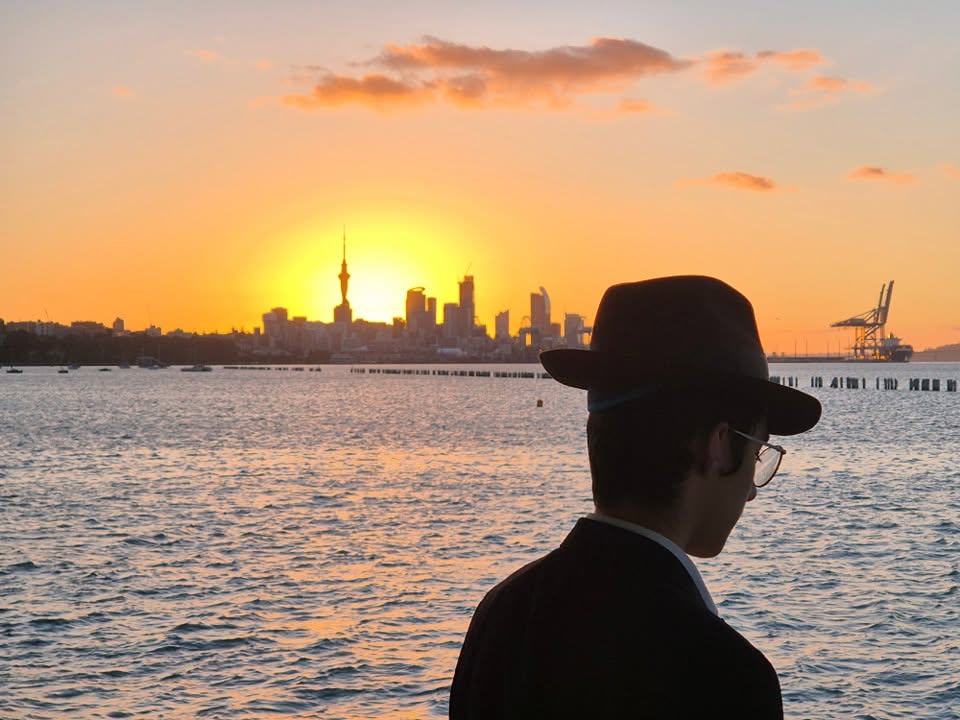
Overview
From Brooklyn, New Zealand looks impossibly far away. From New Zealand, it is simply home. That difference explains shlichus.
The question is not why would Jewish life exist this far away. Jews live here; they have for nearly two centuries. The question is the practical one that follows: since Jews live here, what do they need in order to live as Jews?
- A rabbi.
- A teacher.
- A minyan.
- A mikvah.
- Kosher food.
- A Torah.
- A Hebrew school.
- A Shabbat table.
- Someone to answer the phone.
- Someone to drive three hours.
- Someone to remember that one Jewish family in a small town exists.
- Chapter
- Shlichus
- Follows
- The Rebbe & New Zealand
- Geography
- Brooklyn → Australia → New Zealand
- Status
- Open — research and oral histories in progress
How far
is too far?
Editorial framing, not a quotation: if a Jew is there, it is not too far. Distance creates different practical problems. It does not reduce spiritual importance.
Early journeys
Before there were
permanent shluchim
First there were letters. Then visits. Travelling rabbis, emissaries passing through, educational material sent by post, questions about a mikvah answered from Brooklyn, and people sent from Australia because Australia was closer than New York.
The archival record of that correspondence lives in its own chapter. This page begins where the letters end — at the point where instructions became households.
Australia as a bridge
Brooklyn → Melbourne
→ New Zealand
Historically, Australia often served as the practical bridge for Chabad activity reaching New Zealand: a yeshivah, resident rabbis, visiting teachers, help with mikvah questions, educational resources, and people willing to fly further. This is not Australian history. It is the reason a very small community at the bottom of the Pacific could be reached at all — and a reminder that even after reaching Australia, New Zealand was still farther.
People
Names, arrivals, ordinary decades
Shluchim are not a category. They are particular people who moved countries, raised children, learned a new accent, and did the same work for a very long time. Biography records here will carry name, spouse, arrival, city, origin, who sent them, role, projects, photographs, documents, oral history and sources — and nothing before it is verified.
Shaliach biographies are being compiled with the families concerned.
Each entry will be published only with the person's consent and a traceable source. Children are named only where publicly appropriate.
The family unit
A family becomes
infrastructure
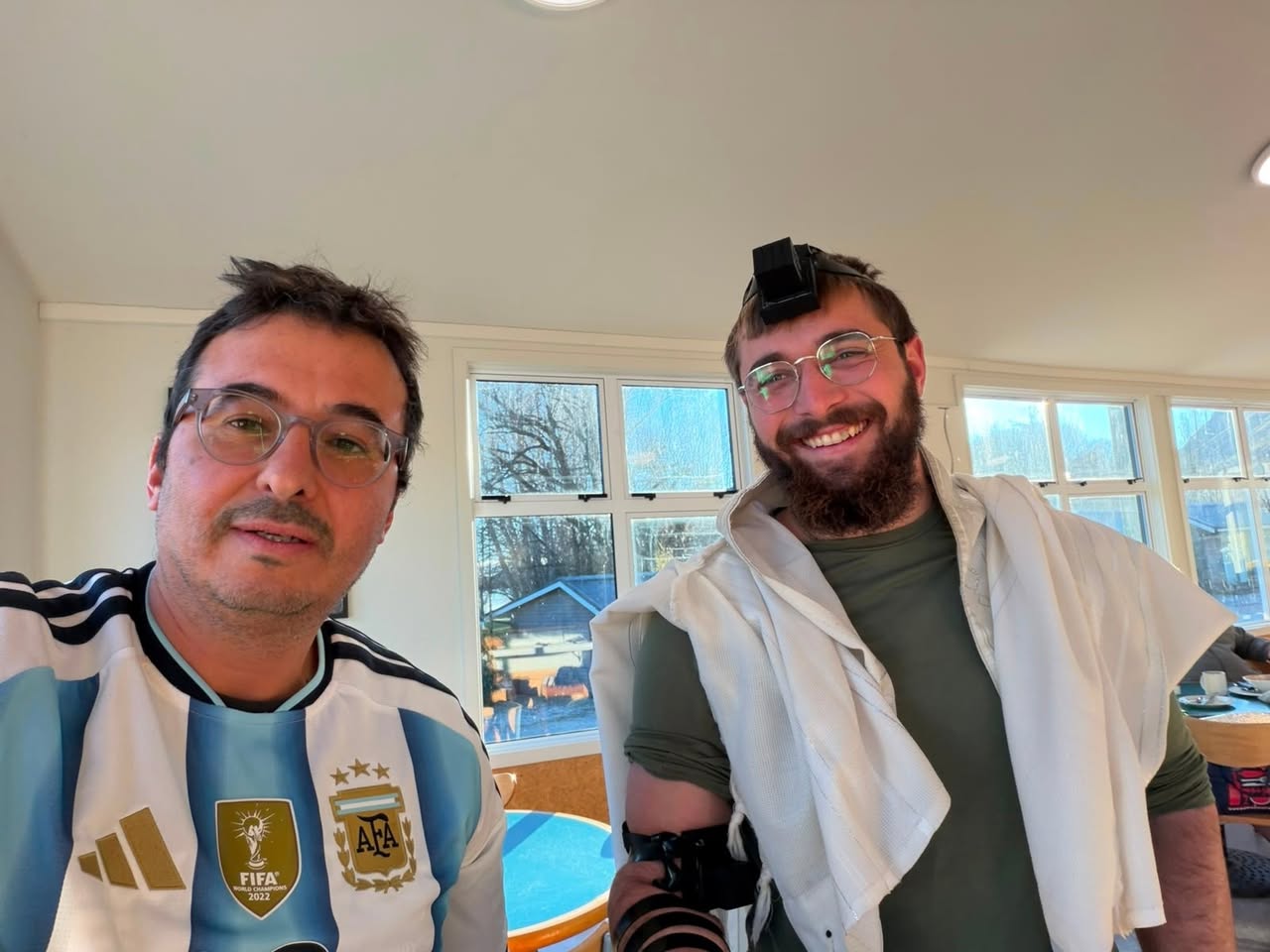
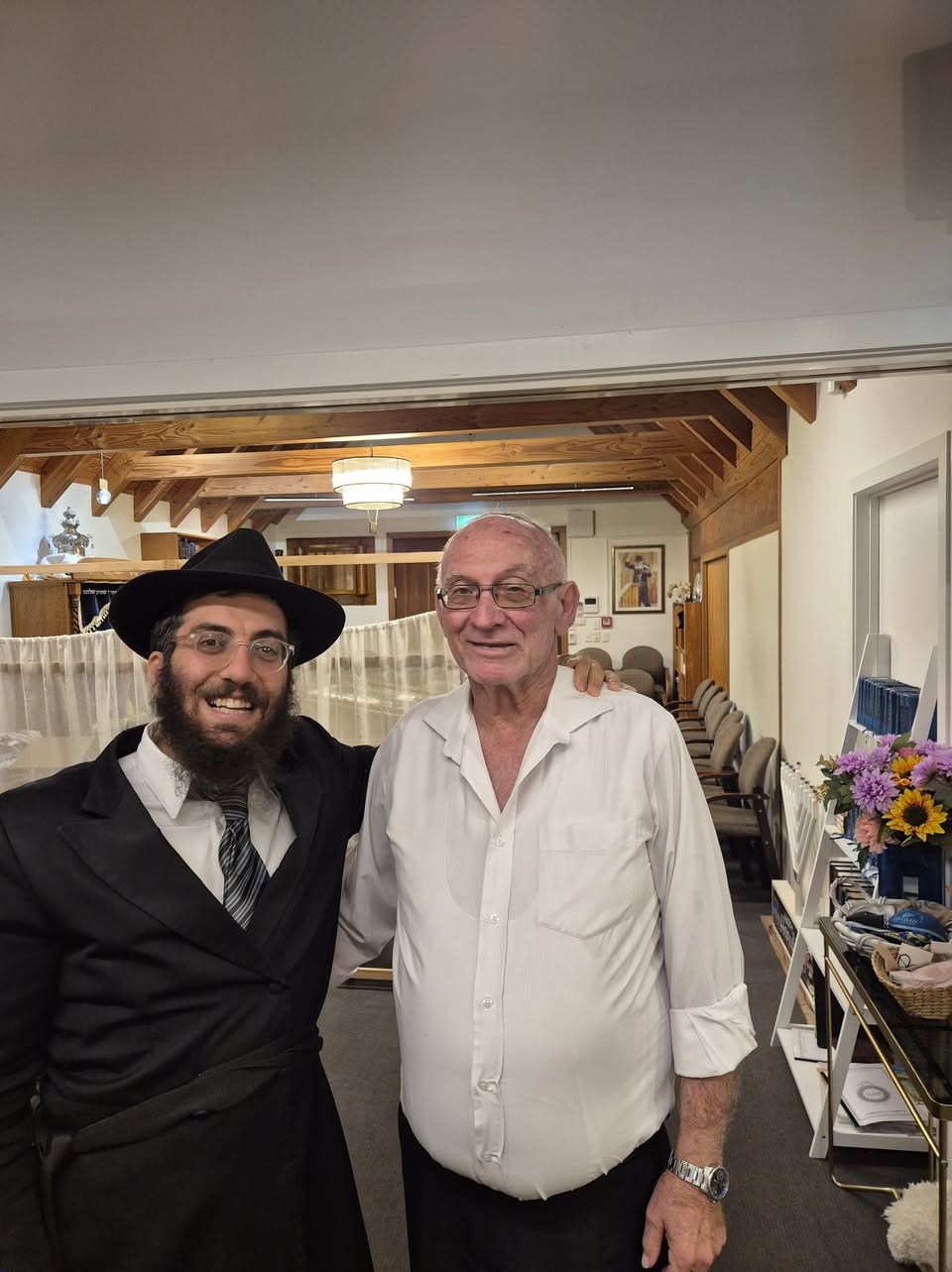
Shlichus is rarely one rabbi arriving. It is usually a couple, then children, then a household — and the household quietly becomes public. A shaliach's home turns into a Shabbat table, a classroom, a meeting room, a place for travellers, a place for advice, a place for holidays, and a place for people who otherwise have nowhere Jewish to go.
The road
Sometimes shlichus
looks like driving.
A few hours.
A whole day.
A ferry.
A flight.
A rural town.
One family.
One mezuzah.
One Jewish child.
One person who has not seen another Jew for months.
Specific journeys will be told here as they are collected first-hand. Nothing on this page is invented.
One Jew
is not
a small community.
To the person who is there, Jewish life is not statistical. It is personal — one Shabbat, one class, one call, one visit that either happens or does not.
Map
The reality of distance
Not borders. Distance: the ocean between Brooklyn and Auckland, the Tasman between Sydney and Auckland, and then the internal distances — Auckland to Wellington, Wellington to Christchurch, Christchurch to Queenstown and Dunedin. Chabad centres are not marked here until each location is verified.
Great-circle distances from Auckland to the Jewish centres it is measured against.
Equirectangular projection · 110m coastlines
Jewish infrastructure
What does a Jewish
community need?
Mikvah
A pool of natural water, built to exacting measurements, used for Jewish family life and conversion.
What remoteness changes
Cannot be improvised, borrowed or posted. It requires land, water, engineering, money and permanent maintenance in a place where few tradespeople have built one before.
Torah
A handwritten scroll, checked and repaired by a trained scribe.
What remoteness changes
The nearest sofer is usually across an ocean. Scrolls travel as freight, and repairs are scheduled around visits.
Minyan
Ten Jewish adults, so that a full service can be said and Kaddish can be recited.
What remoteness changes
In a small city the tenth person is a phone call, not a statistic. Weekday minyanim depend on individuals, not crowds.
Hebrew school
Regular Jewish learning for children.
What remoteness changes
There may be one class rather than one school. A single teacher can be the whole of a child's Jewish education.
Kosher food
Supervised meat, dairy, groceries and wine.
What remoteness changes
Much of it is imported. Supply chains, shipping schedules and customs decide what is on the shelf before Pesach.
Shabbat
A weekly table, a service, a place to be.
What remoteness changes
Distance means most people cannot walk home. Hospitality becomes structural, not decorative.
Holidays
Sukkah, menorah, seder, megillah, shofar.
What remoteness changes
Ritual objects are ordered months ahead. A sukkah in Auckland is built in late-winter light.
Burial
A chevra kadisha, a cemetery, a taharah room.
What remoteness changes
Small communities carry this quietly and permanently, often with the same handful of volunteers for decades.
Brit milah
A mohel, at eight days.
What remoteness changes
Whether a mohel is resident or must fly in shapes how families plan a birth.
Bar & bat mitzvah
Preparation, a reading, a community present to hear it.
What remoteness changes
Peer groups can be tiny. A child may be the only one that year.
Jewish books
Chumashim, siddurim, a library that can be borrowed from.
What remoteness changes
Books are heavy and freight is expensive. A standing library is a genuine asset — which is part of why 788 matters.
Community space
A room that is reliably Jewish, on an ordinary Tuesday.
What remoteness changes
Without a building, everything happens in private homes — which works, until it does not scale.
Online connection
Classes, shiurim and family across time zones.
What remoteness changes
New Zealand's clock sits awkwardly against New York and Jerusalem. Learning is often very early or very late.
Pastoral care
Someone to call at 2am.
What remoteness changes
The list of people who can answer that call may be one name long.
Traveller support
Meals, a minyan, information, a bed.
What remoteness changes
Visitors often outnumber residents at the table. That is a feature of remote communities, not an interruption.
Mikvah
Spiritual life needs
physical infrastructure
The mikvah is the clearest bridge between the letters and the buildings. It is a spiritual institution — and it requires land, water, engineering, money, maintenance and people who will still be there in twenty years. Correspondence about mikvaot in Wellington, Auckland and Christchurch sits in the archive chapter; the physical history of each pool is being verified before it is published here.
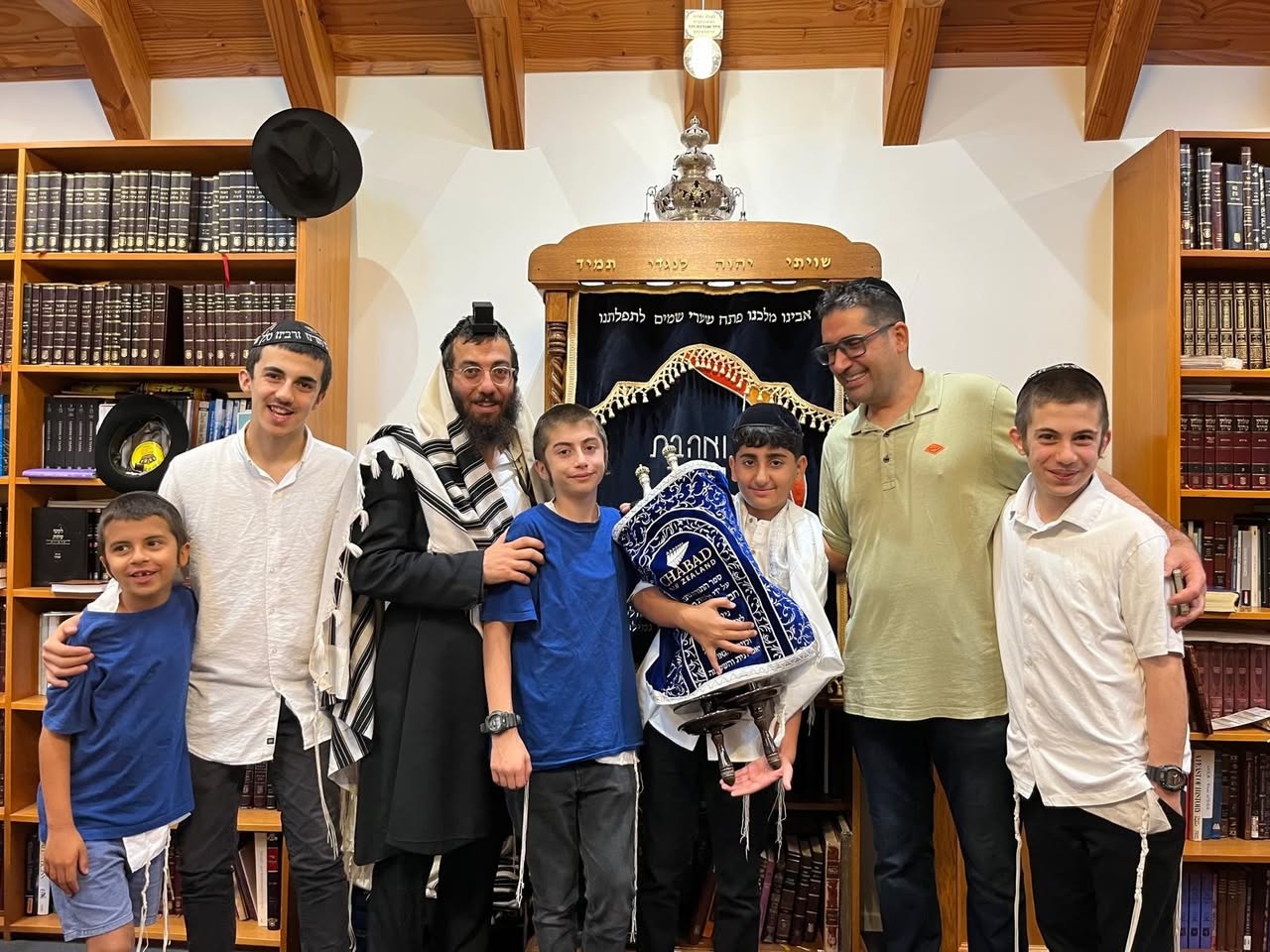
Kosher
How do you keep kosher
at the edge of the Pacific?
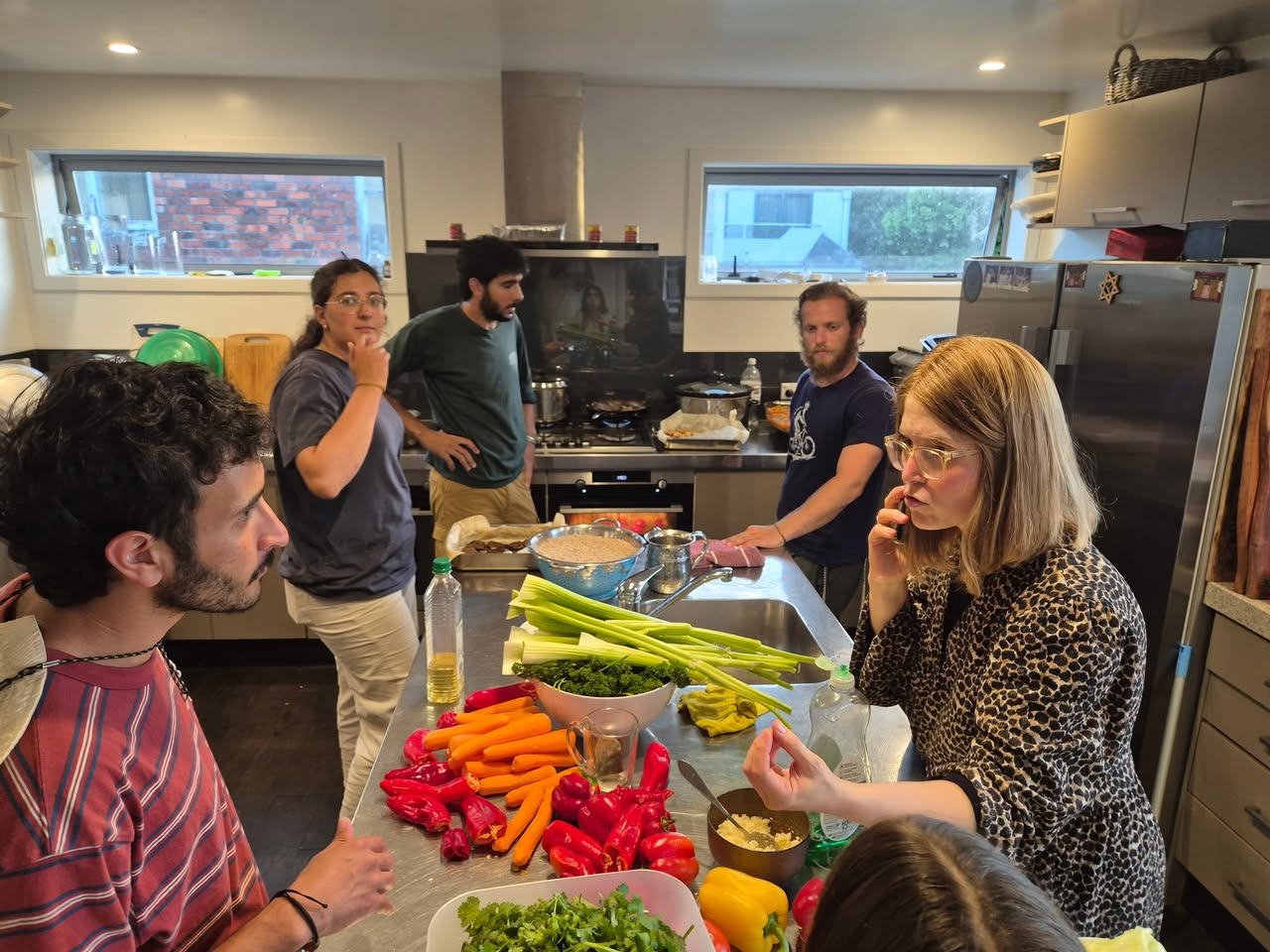

Certification, meat, imports, shipping, local production, challah, Pesach supplies, national distribution to households nowhere near a Jewish shop — kosher food in New Zealand is a logistics operation before it is a religious one. The details of Chabad New Zealand's current kosher work are being documented directly with the people who run it, with real shelves and real deliveries rather than generic imagery.
Kosher supply documentation in progress.
Photographs of the actual operation — shelves, labels, deliveries, kitchen — will replace this note.
Hebrew school
Jewish life has to reach
the next generation
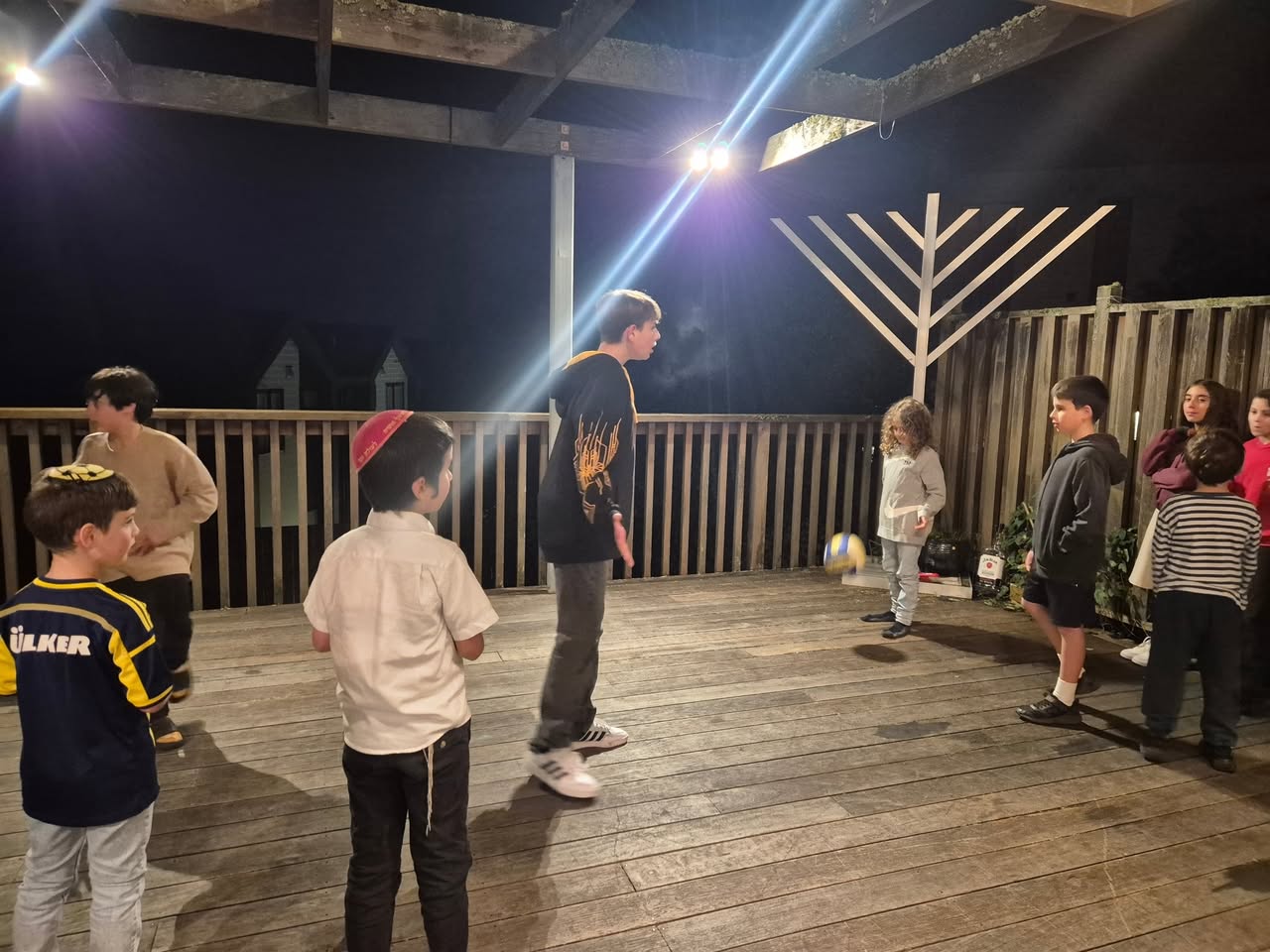
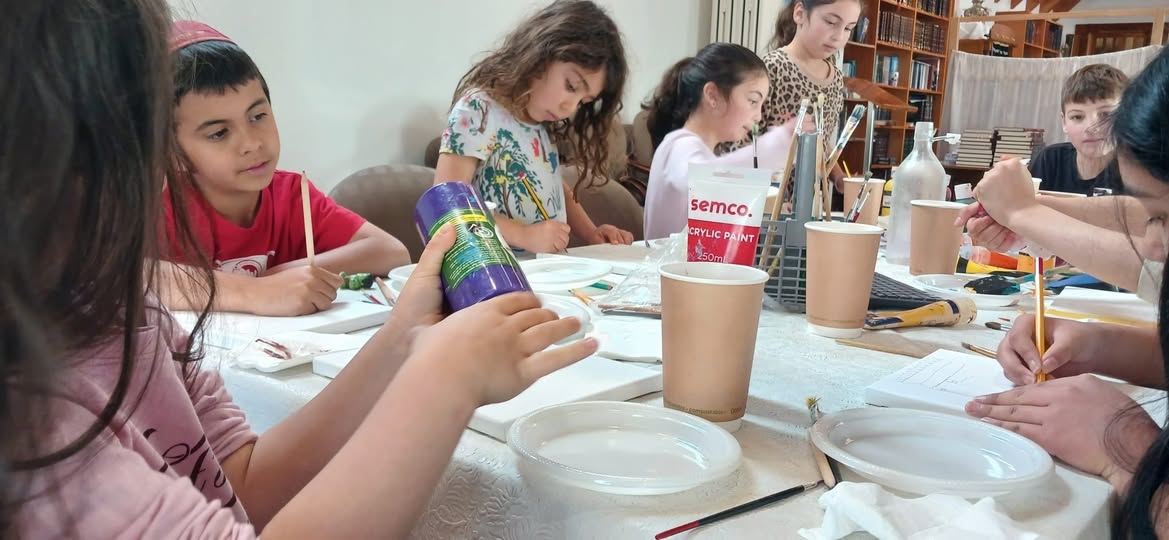
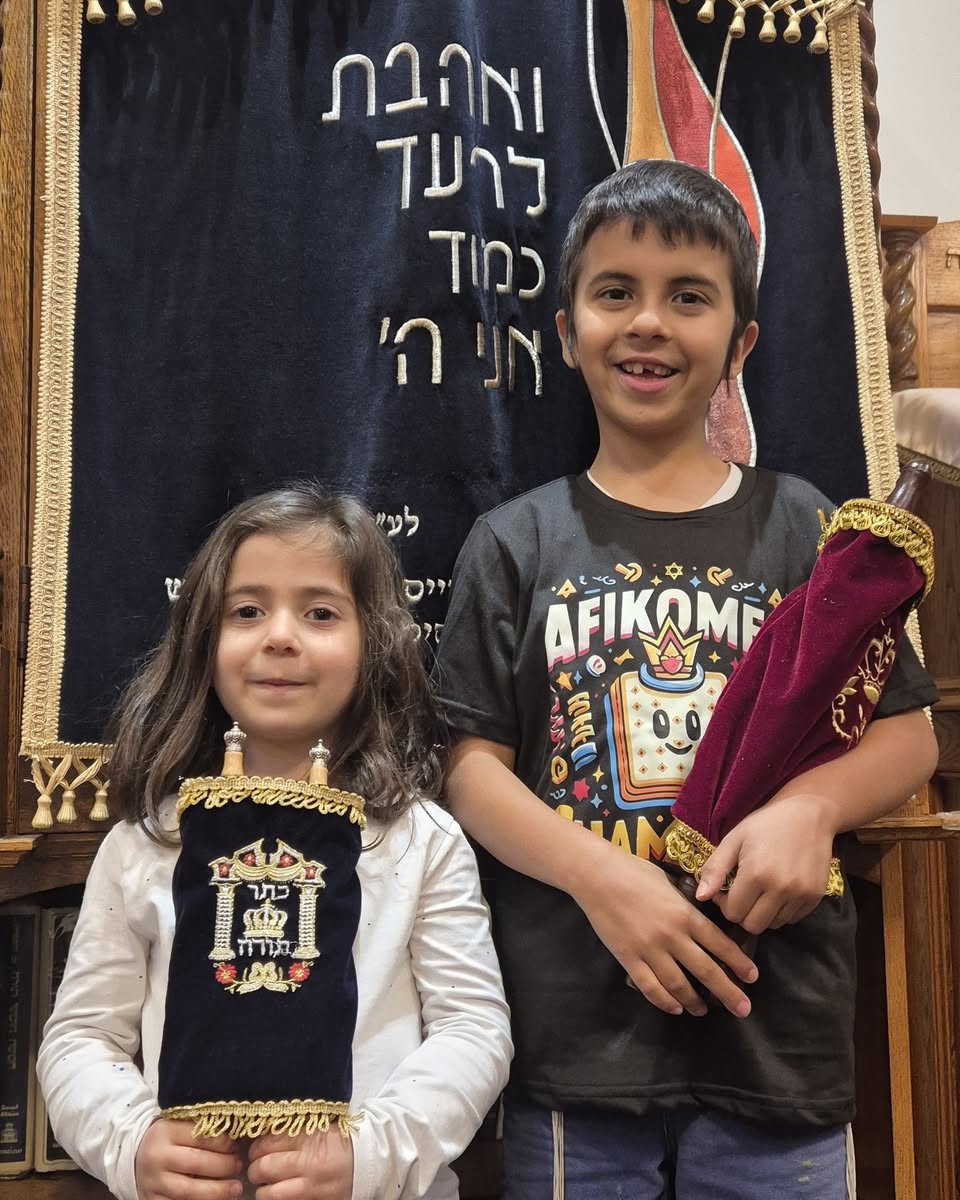
Children in small communities cannot rely on large schools, several synagogues or a wide peer group. A small Hebrew school therefore matters disproportionately: it may be the only place a child meets other Jewish children their own age all week.
Shabbat
Friday night
at the edge of the world
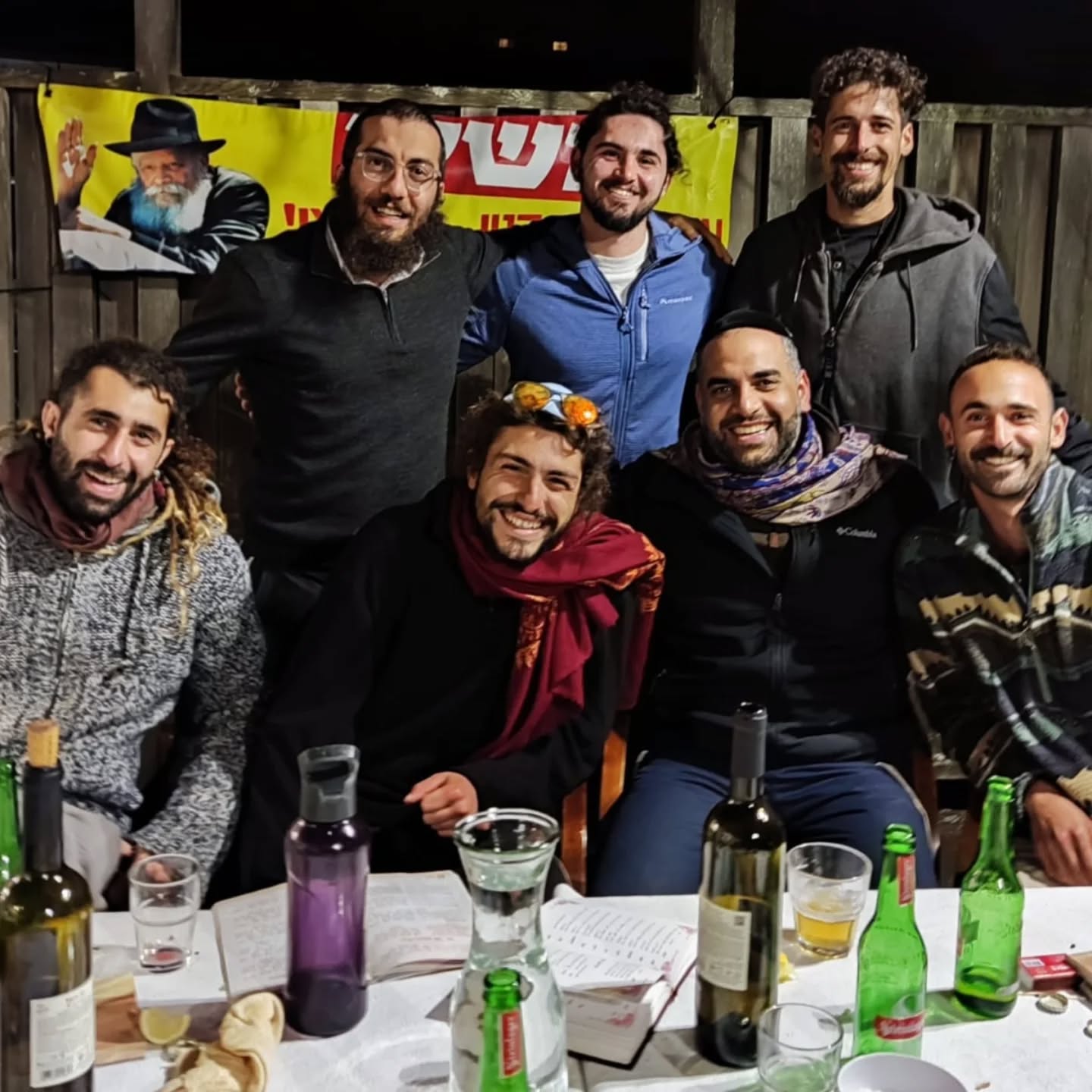
Not luxury hospitality. A real table: children, guests, locals, travellers, candles, challah, and conversation that runs long because nobody is in a hurry to be anywhere else.
A Shabbat table in a remote community works as several institutions at once — home, synagogue, visitor centre, community centre, classroom, meeting point, and the bridge between local Jews and the wider Jewish world.
Travellers
Some of the people who
need shlichus don't live here
Travellers. Young couples at the end of a long trip. Israelis. Students. Visitors. People passing through who did not expect to find anything Jewish and did.
The local community
Shlichus enters
a community.
It does not invent one.
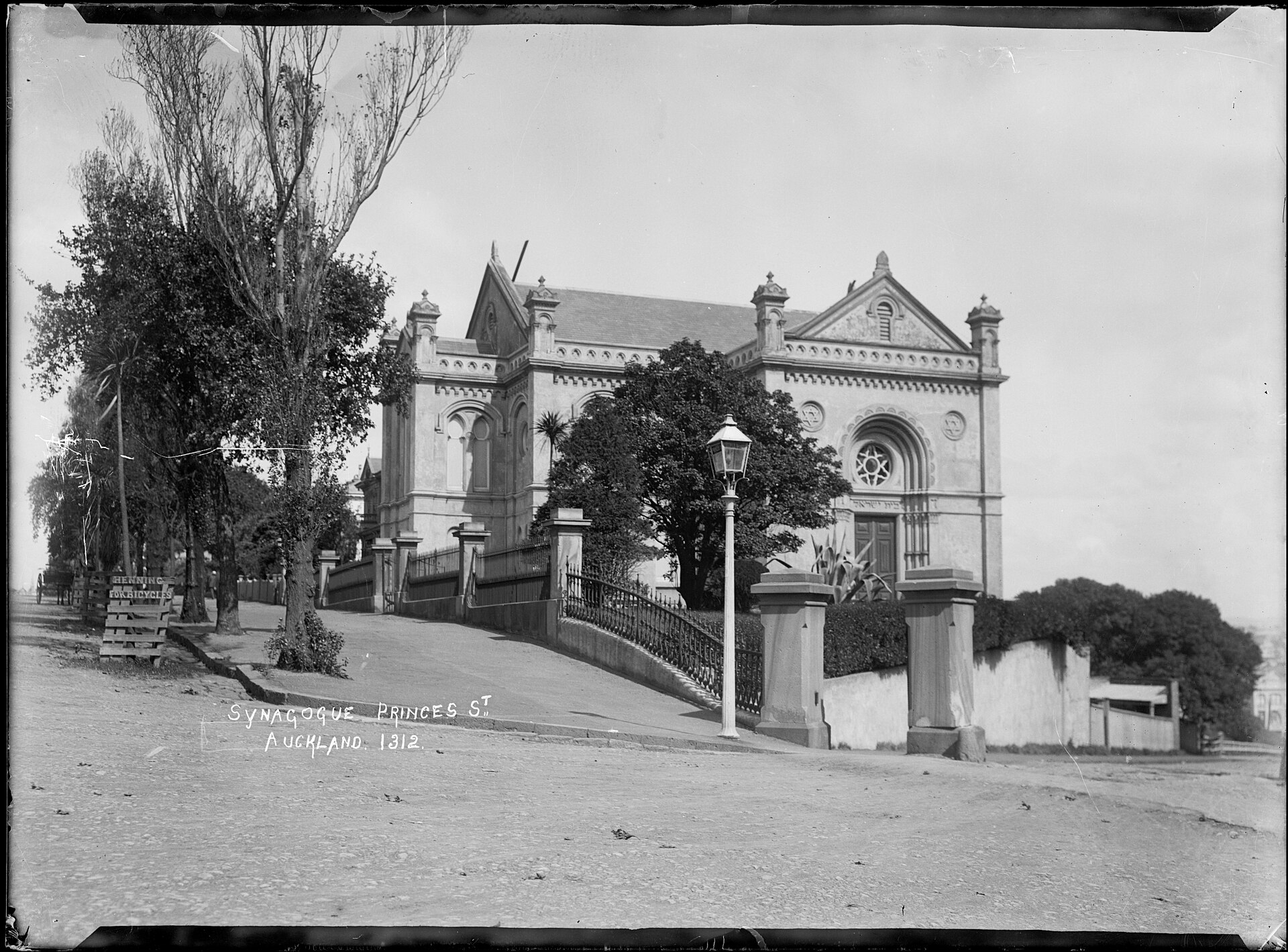
New Zealand Jews are not recipients of Chabad. They are the community: families who have been here for generations, older residents who kept institutions alive through thin decades, volunteers, boards, burial societies, teachers, and people of every Jewish background — many of whom predate any Chabad presence by a century or more.
Jewish life in New Zealand began with traders and settlers in the 1830s and 40s; synagogues, schools, chevrot kadisha, businesses and refugee families followed. Chabad is one chapter inside that longer story, not the frame around it.
The southern edge
One of the most southerly fields of shlichus
New Zealand sits between roughly 34° and 47° south. Dunedin and Queenstown are among the most southerly places with organised Jewish life anywhere. Any claim to be the southernmost — measured against Tasmania, Patagonia and other locations — is not published here until it is checked and dated, because such claims change.
- Southernmost claim status
- Unverified — comparison in progress
- Compared against
- Queenstown · Dunedin · Tasmania · Patagonia
- Published when
- Current and historically verified
At what looks like
the end of the world,
a new day is
already beginning.
New Zealand lies close to the International Date Line. Shabbat arrives here before it arrives almost anywhere else with an established Jewish community — and so does every ordinary Jewish Monday.
- Auckland
- —:—
- Jerusalem
- —:—
- New York
- —:—
Hashgacha pratis
Shlichus begins with
a simple possibility:
you may not be
somewhere by accident.
A shaliach goes somewhere. A traveller arrives somewhere. A family moves somewhere. A community already exists somewhere. A building becomes available somewhere. Meaning, if it emerges at all, emerges from the meeting. Nobody here is required to read it that way.
Not every coincidence is a miracle. But some of them are remembered for forty years.
Hashgacha stories — an open collection.
Real accounts only, in the words of the people who lived them: an unexpected meeting, a Shabbat that happened to fall right, a project that found support, a family that came back. Participants describe what they believed happened; we do not label it for them.
Shlichus needs
a place to happen.
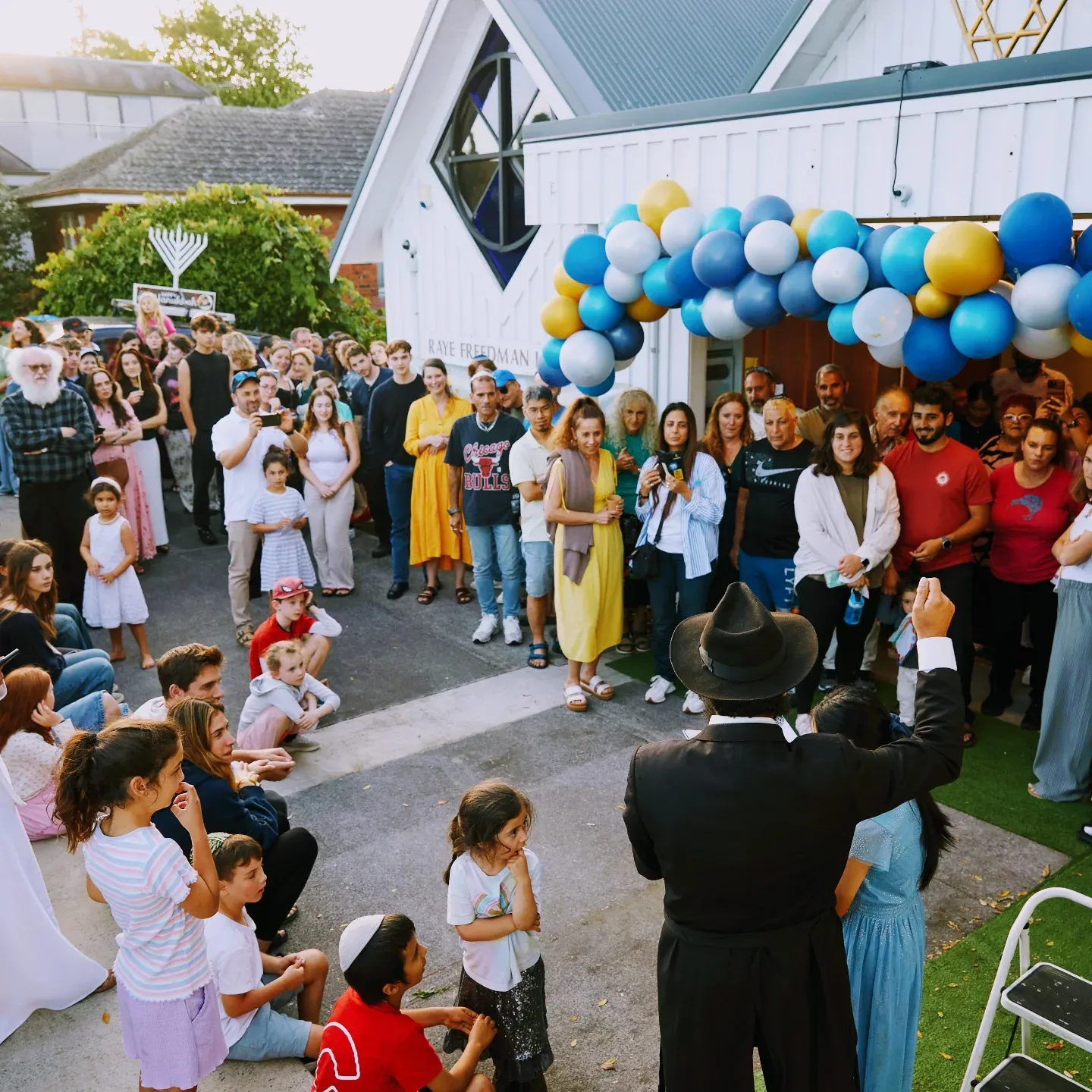
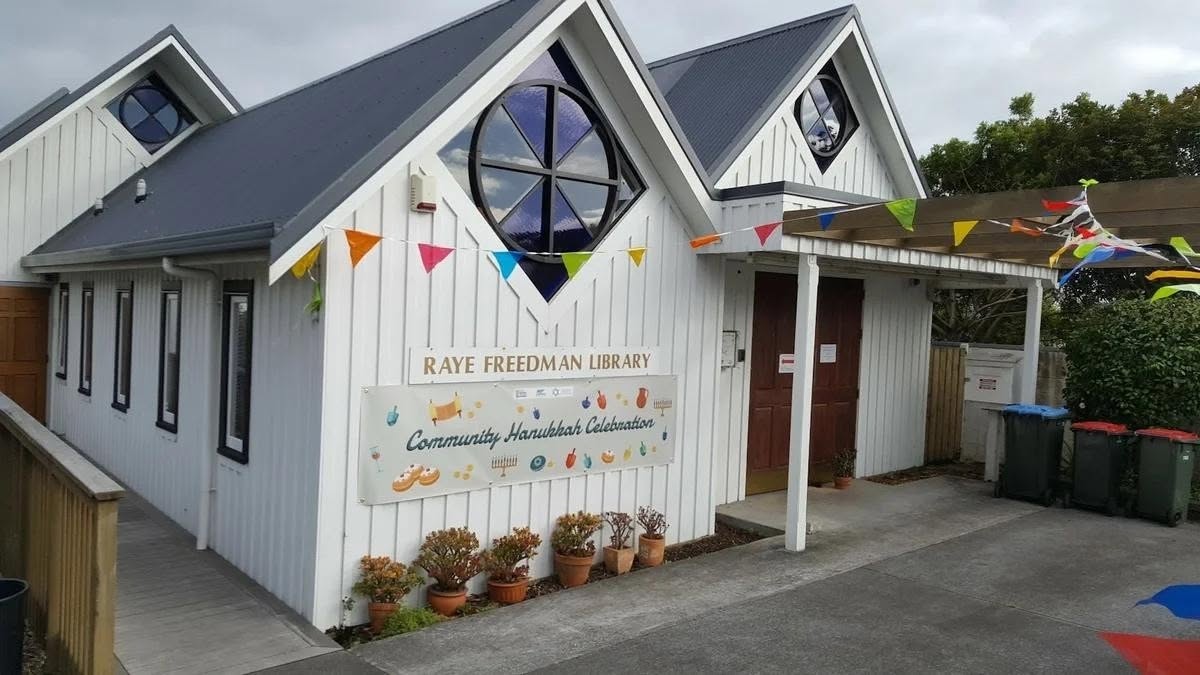
For Chabad New Zealand, one of those places is 788 Remuera Road: a library, a room to pray in, learning, children, kosher, visitors, Shabbat, holidays, community. A physical address is what turns an idea into daily life.
The chain
- 01Letter
- 02Visitor
- 03Shaliach
- 04Community
- 05Place
- 06788
First, the question: is there a mikvah?
Then, the journey.
Then, the people.
Then, the place.
Jewish life
does not stop
where the map
gets quiet.
If anything, the quiet makes each Jewish place easier to see.
Today
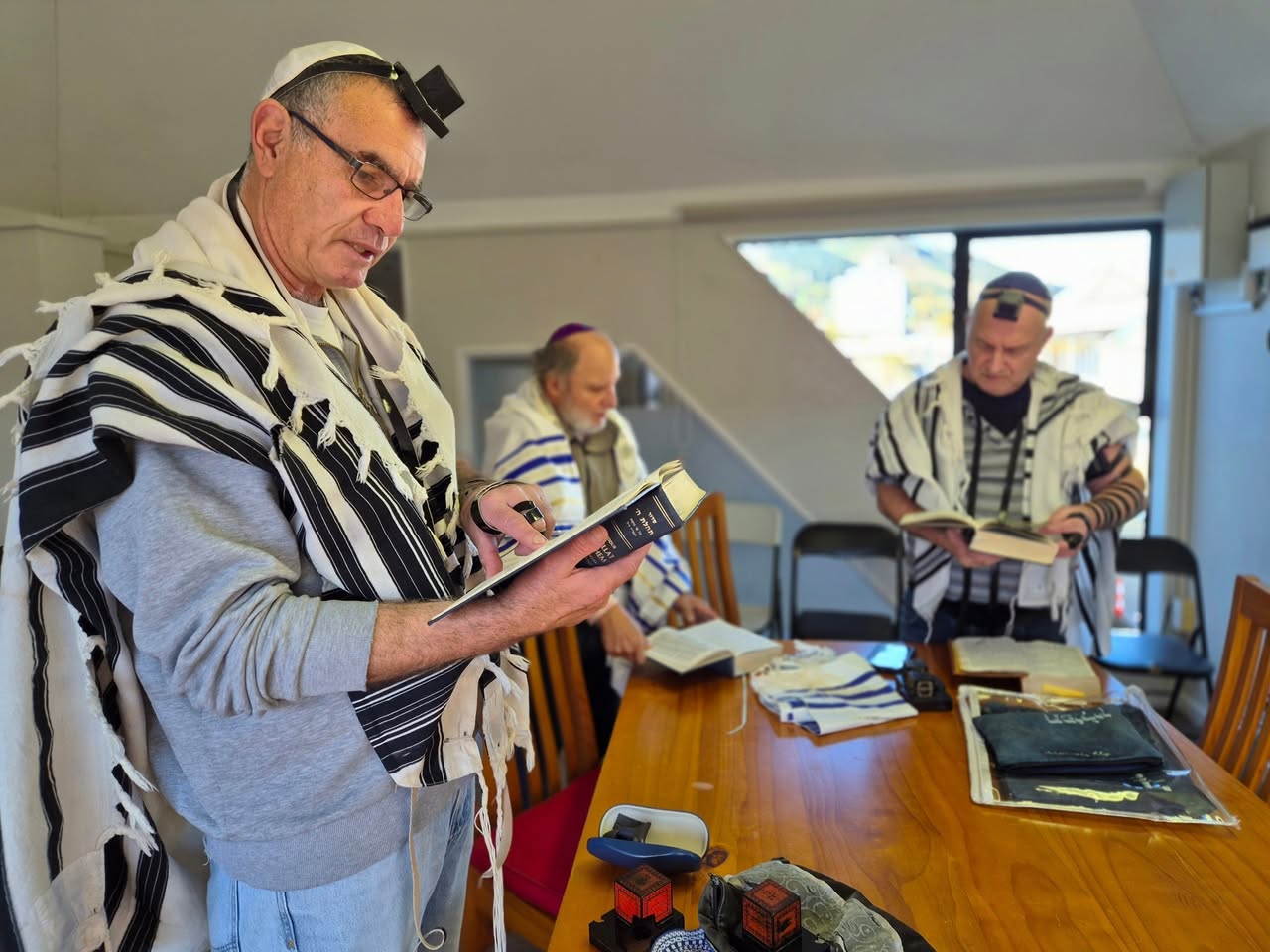
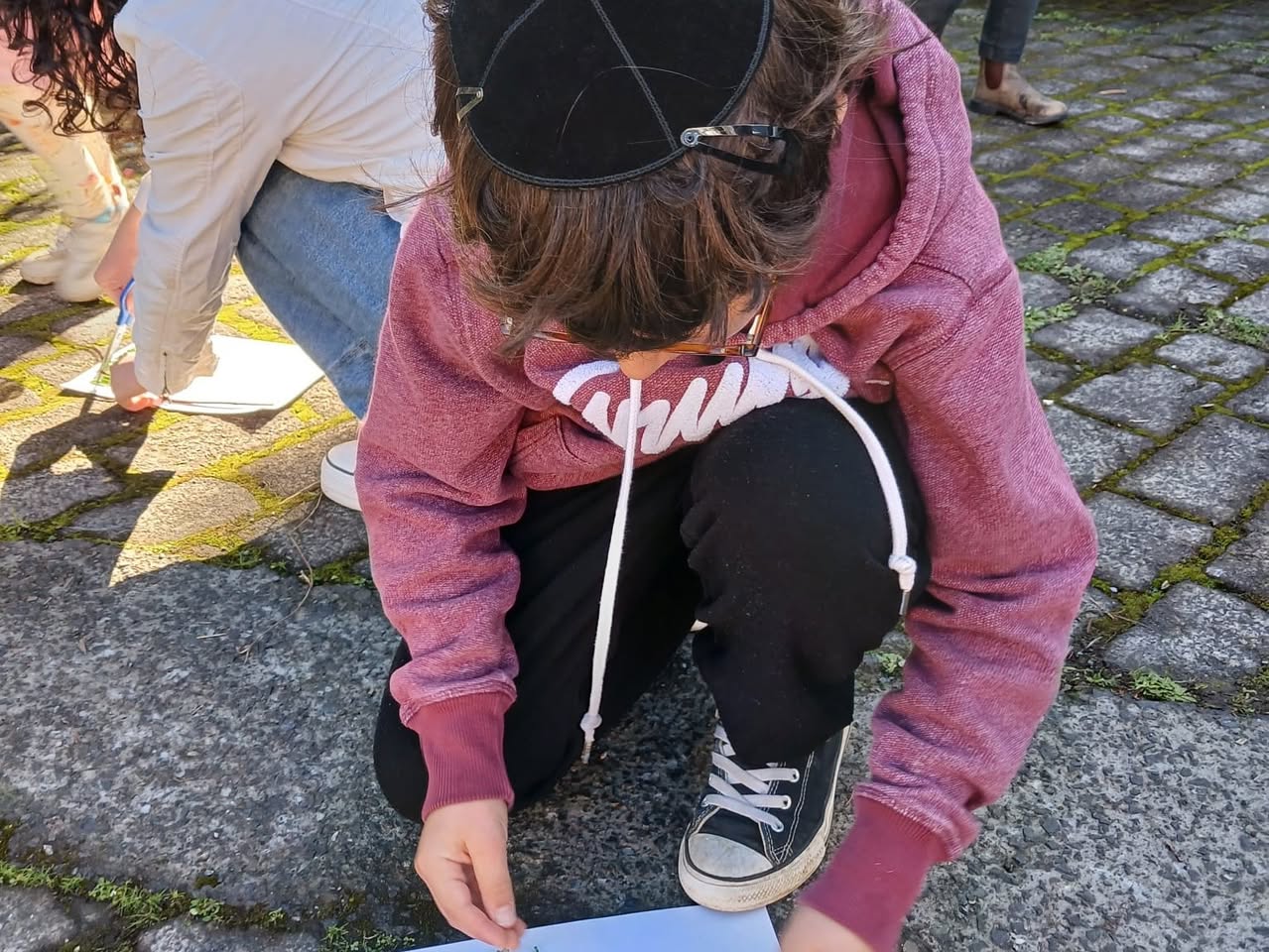
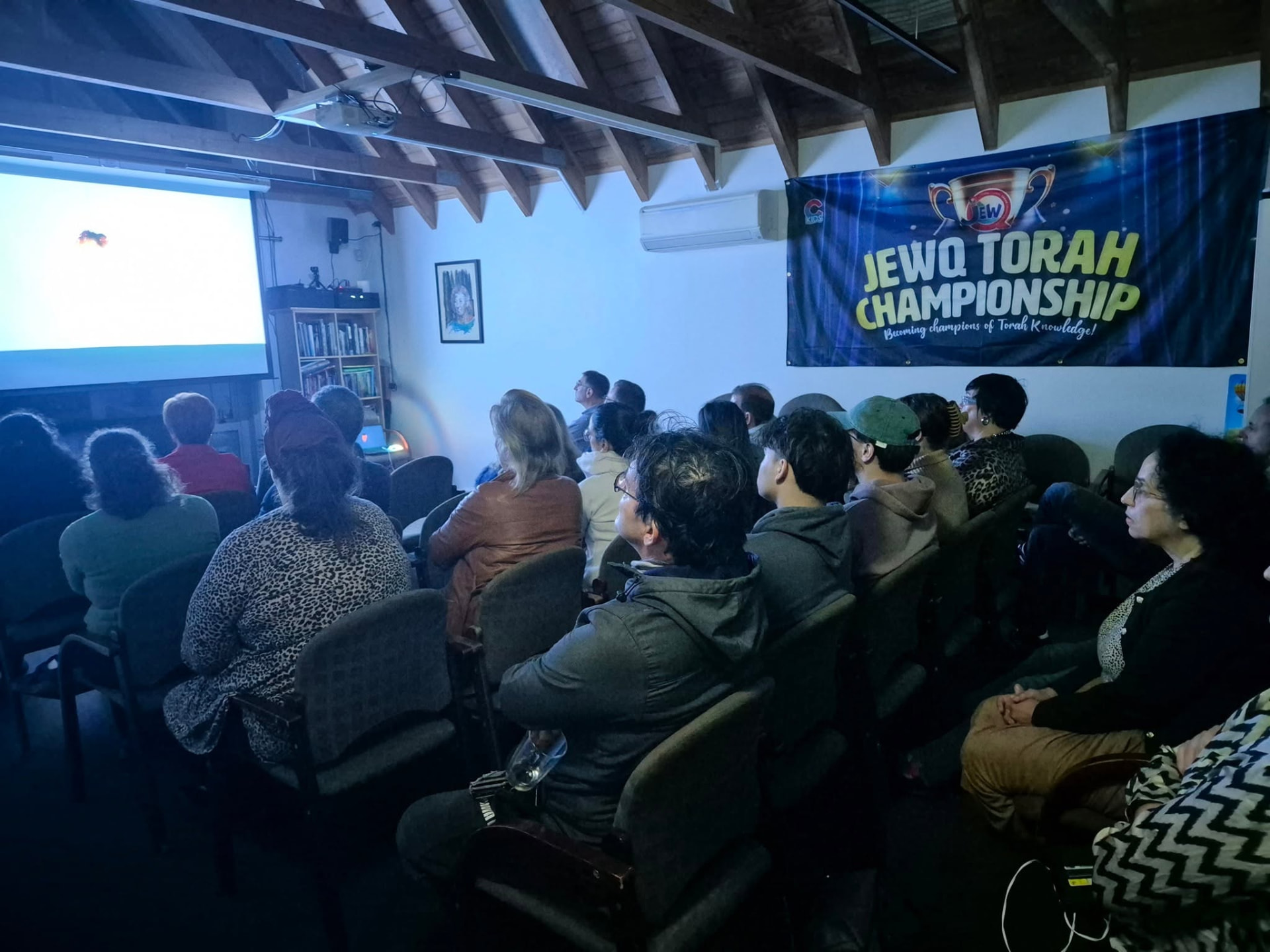
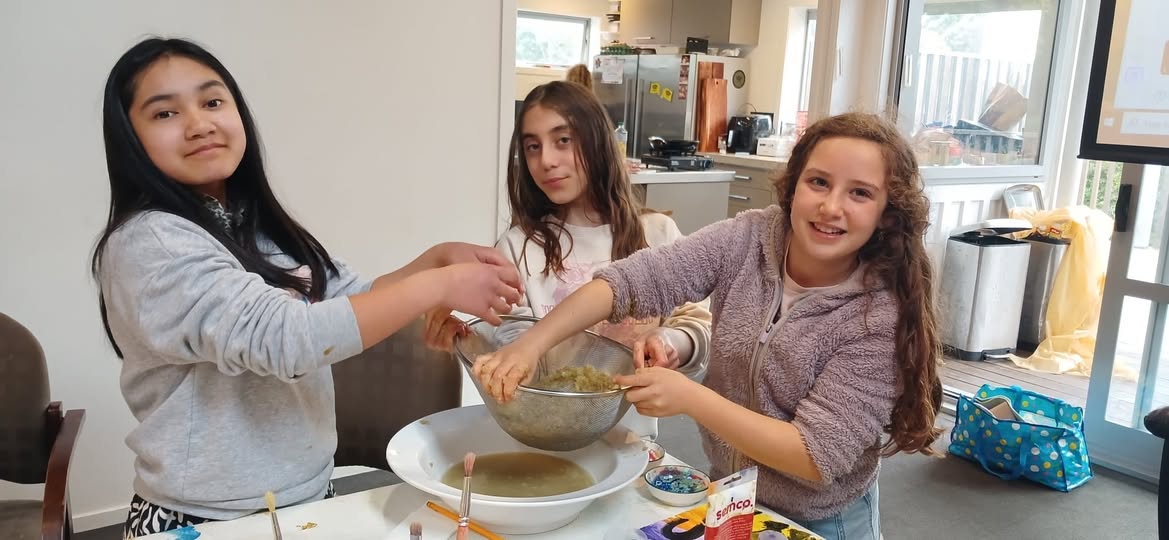
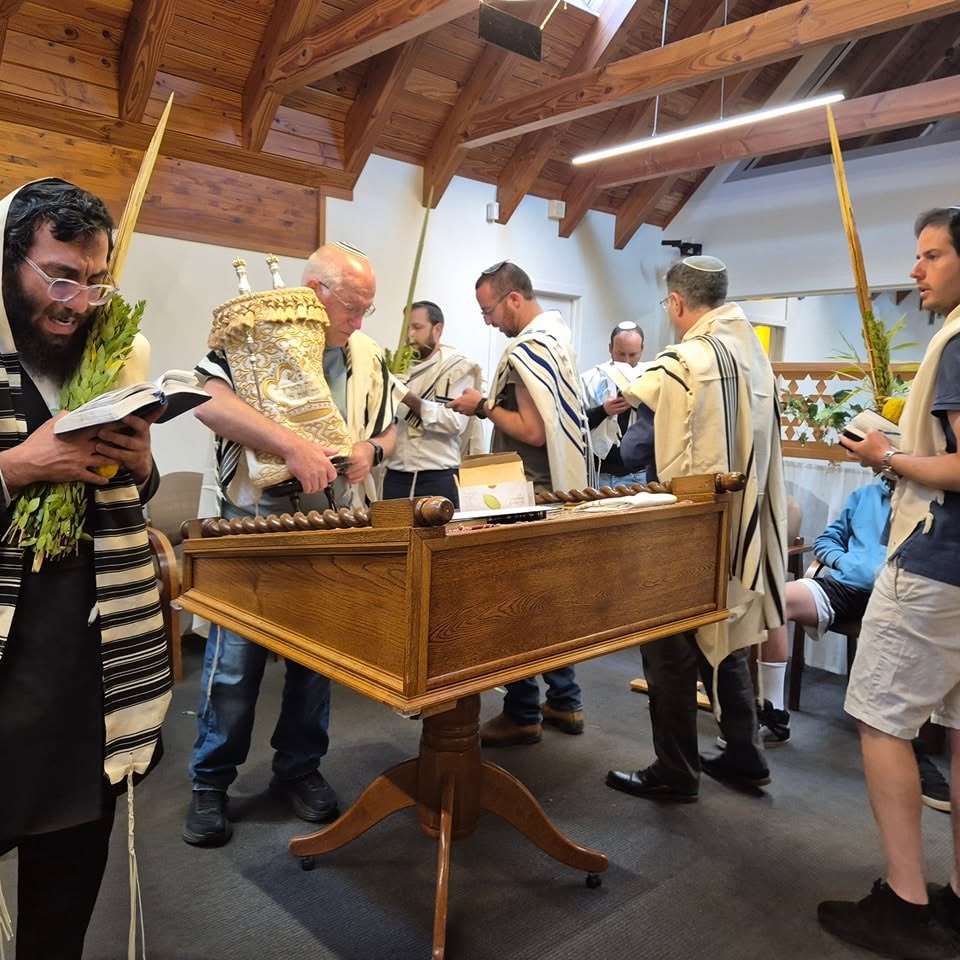
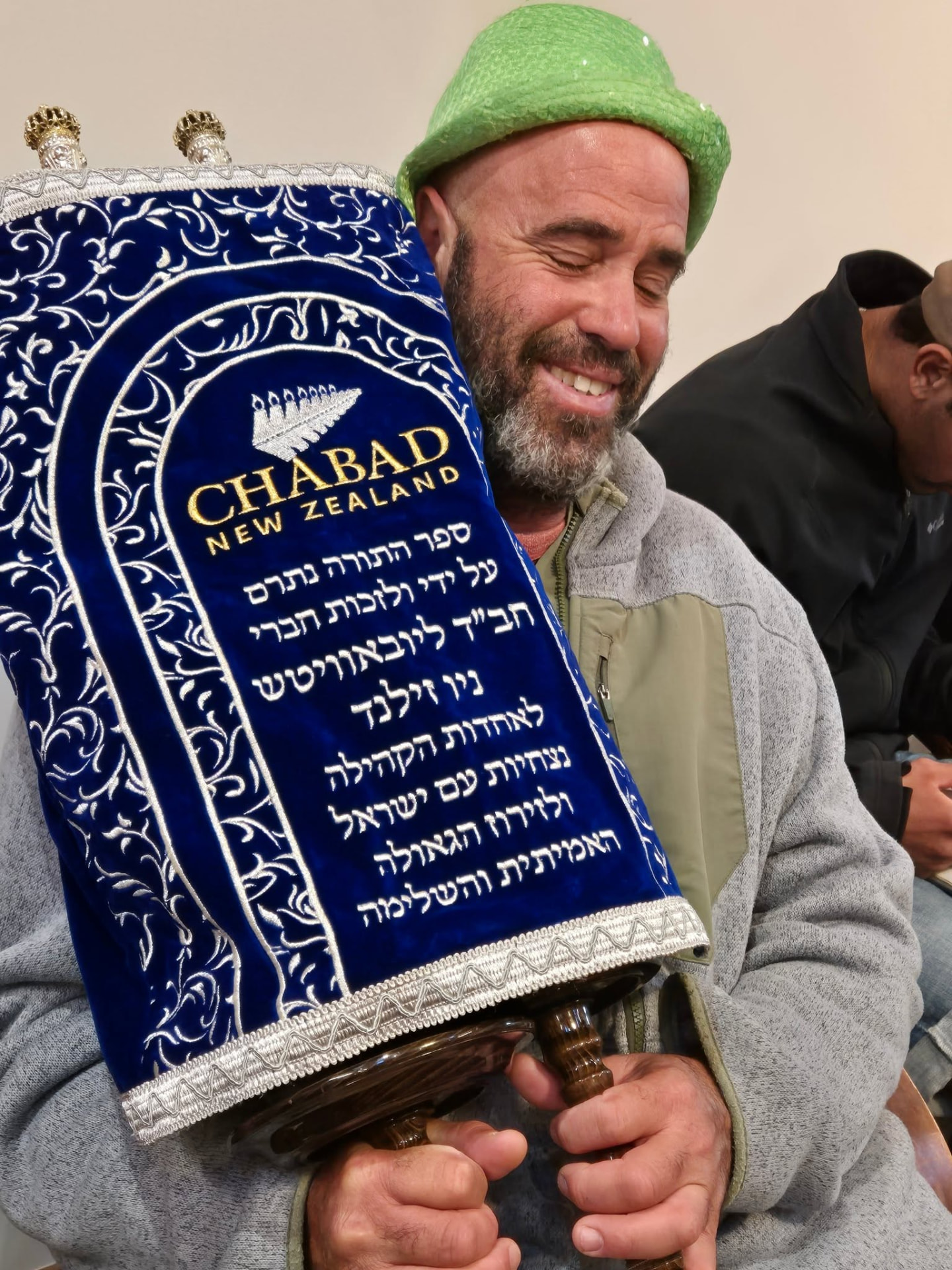
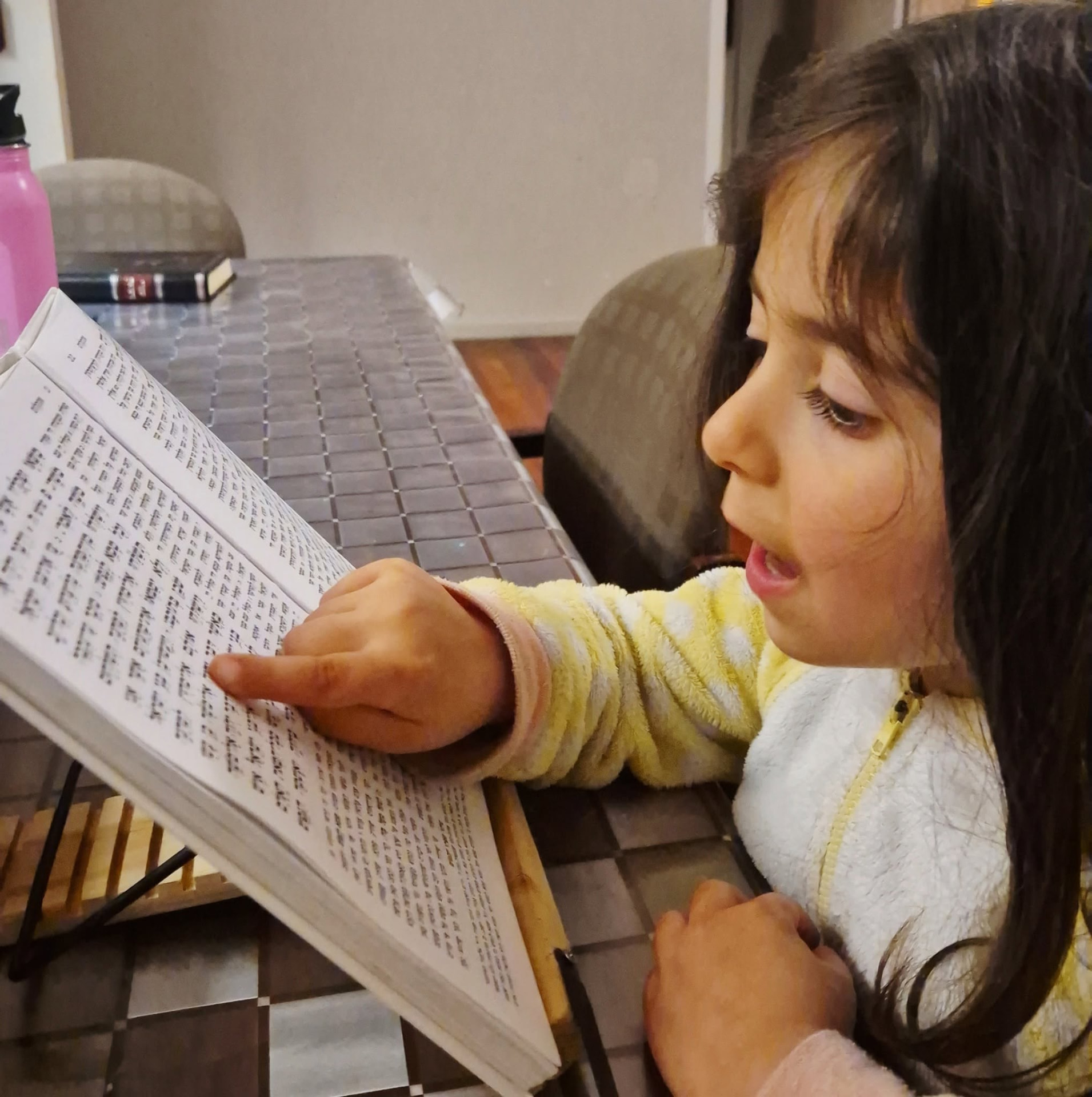
Ordinary weeks, photographed as they are

Oral histories
Questions we are asking
- Why New Zealand?
- What did you expect?
- What existed when you arrived?
- What didn't exist?
- Who helped?
- What was hardest?
- What surprised you?
- What did you learn from local Jewish life?
- What did distance change — and what did it not change?
- What does 788 mean to you?
We are recording current and former shluchim, Australian rabbis who visited, local families, early participants, travellers, students, people who grew up around Chabad, and those involved in mikvah projects.
Archive objects
Ordinary things are the evidence: letters, airline tickets, passports, travel photographs, community newsletters, maps, Torah dedications, school material, event posters, kosher labels, mikvah plans, newspaper articles, old phone directories, and photographs of early activities. If you have any of these in a drawer, they belong in the record.
A person looks
at a map and
sees distance.
A shaliach looks
at the same map
and sees people.
And where there are Jews, there is Jewish life to build.
Shlichus is an idea. But ideas need rooms. Tables. Shelves. Kitchens. Classrooms. Doors. At 788 Remuera Road, those things already exist.