The long version
Nearly two centuries, one address.
Jewish life in New Zealand has always depended on somebody making room for it. This is how the room at 788 Remuera Road came to exist — and what is now at stake.
Part one · 1830s
People arrived before institutions did.
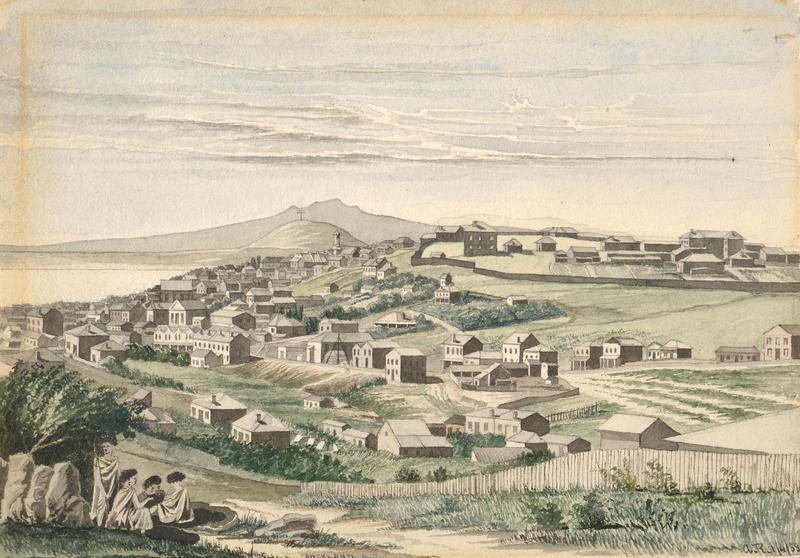
Jewish settlers were present in New Zealand from the earliest decades of European settlement. They came as traders, shopkeepers, shipping agents and families looking for a place where the previous century could not follow them.
There was no synagogue in early Auckland. There was no communal building, no school, no organisation. There were simply people who wanted to keep being Jewish in a town that had barely finished naming its streets.
Part two · 1840s
A loft above a shop in Shortland Street.
One of the earliest Jewish prayer gatherings in Auckland took place above David Nathan's store in Shortland Street. A loft became a synagogue because there was nowhere else.
This is the founding pattern of Jewish life in this country, and it has repeated ever since: somebody makes room, and then a community forms around the room.
Part three · 1885 onward
Then the community built.
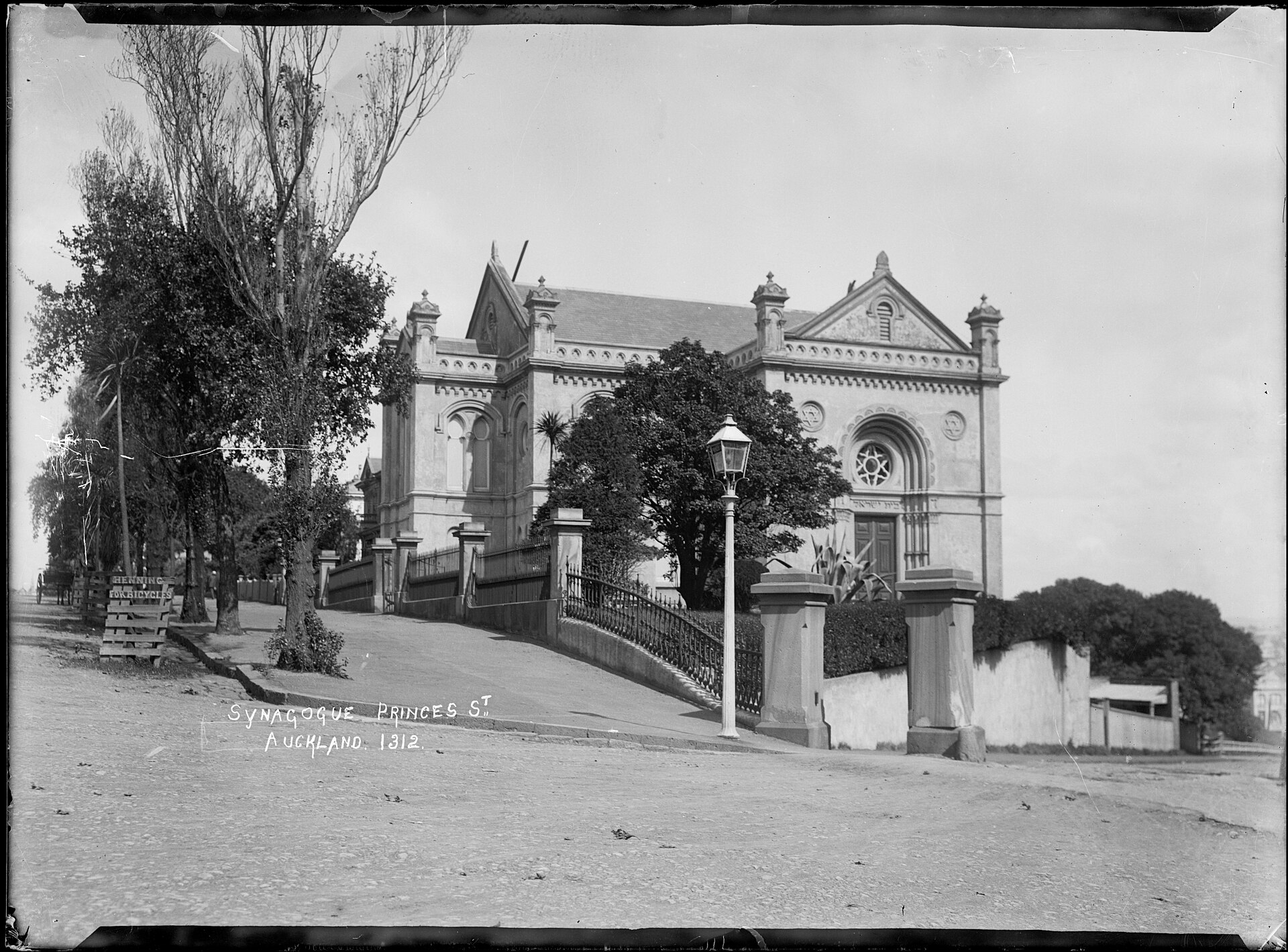
Synagogues. Schools. Cemeteries. Burial societies, women's organisations, welfare committees, youth groups. The Princes Street Synagogue opened in 1885 and gave Auckland Jewry a permanent civic presence.
Through the twentieth century, immigration reshaped the community repeatedly — refugees from Europe, then Israelis, South Africans, Americans and others. Each wave needed somewhere to arrive.
Part four
Raye Freedman, and a library in Remuera.
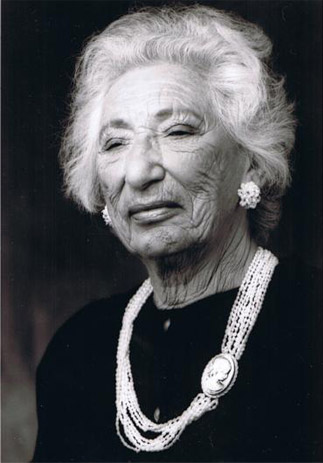
Born Rachel Ginsberg in Winnipeg, trained as a speech therapist, arrived in New Zealand during the Second World War, married the Czech Jewish refugee Ernst Blumenthal, and after his death built a career in property development and management.
She gave much of it away: Jewish education, children, the arts, Kadimah, the Raye Freedman Arts Centre at Epsom Girls Grammar, and organisations across New Zealand Jewish life. In Remuera, she created a library.
Read the full life of Raye FreedmanPart five
The library became communal ground.
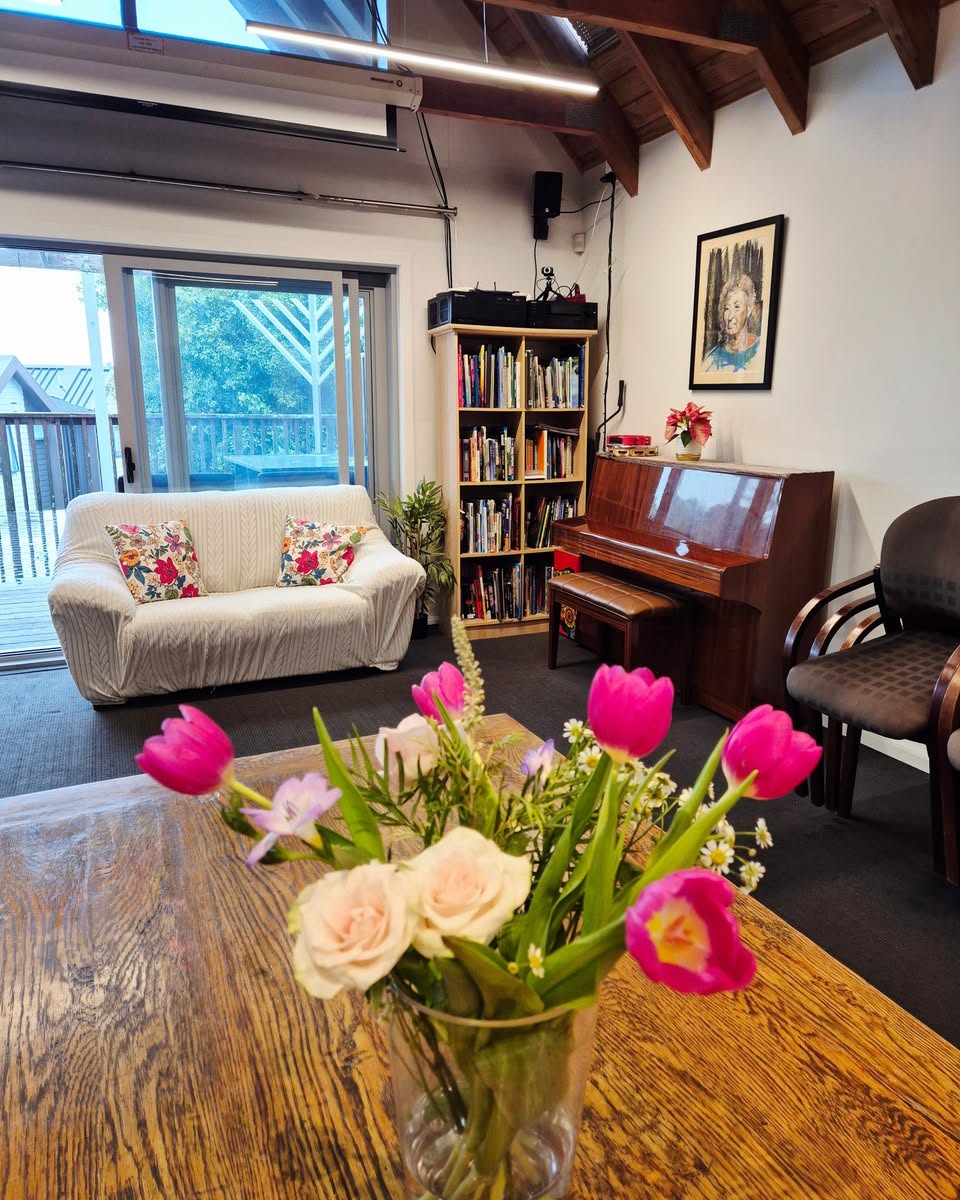
The Raye Freedman Library served Jewish organisations and individuals across Auckland. Historical records show communal meetings, educational talks and activities involving organisations including the Auckland Jewish Council, the Auckland Hebrew Congregation, Hadassah and others.
The Raye Freedman Trust has carried Raye's philanthropic legacy for decades across Jewish, educational and cultural life. This campaign does not seek to undo that work; it asks whether one part of it can continue where it grew.
Part six
Chabad New Zealand, and daily life at 788.
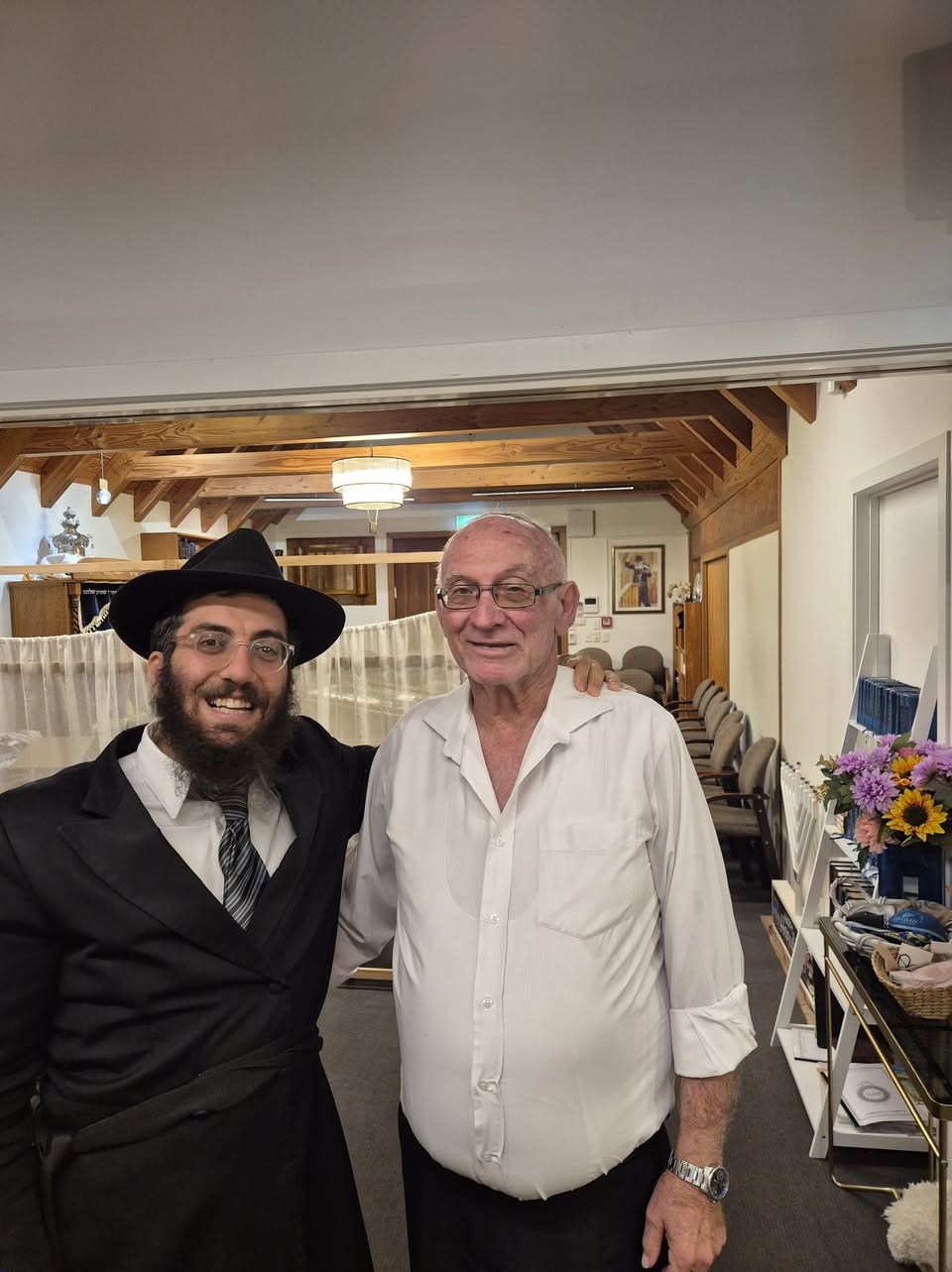
Eventually Chabad New Zealand became the principal day-to-day community presence in the building. Hebrew School, Shabbat services and meals, Torah study, Bar and Bat Mitzvah preparation, the holidays, Kosher New Zealand, JewQ, and a steady stream of travellers.
For more than twenty years, Jewish life has quietly accumulated at this address.
See 788 todayPart seven
Why one building matters more here.
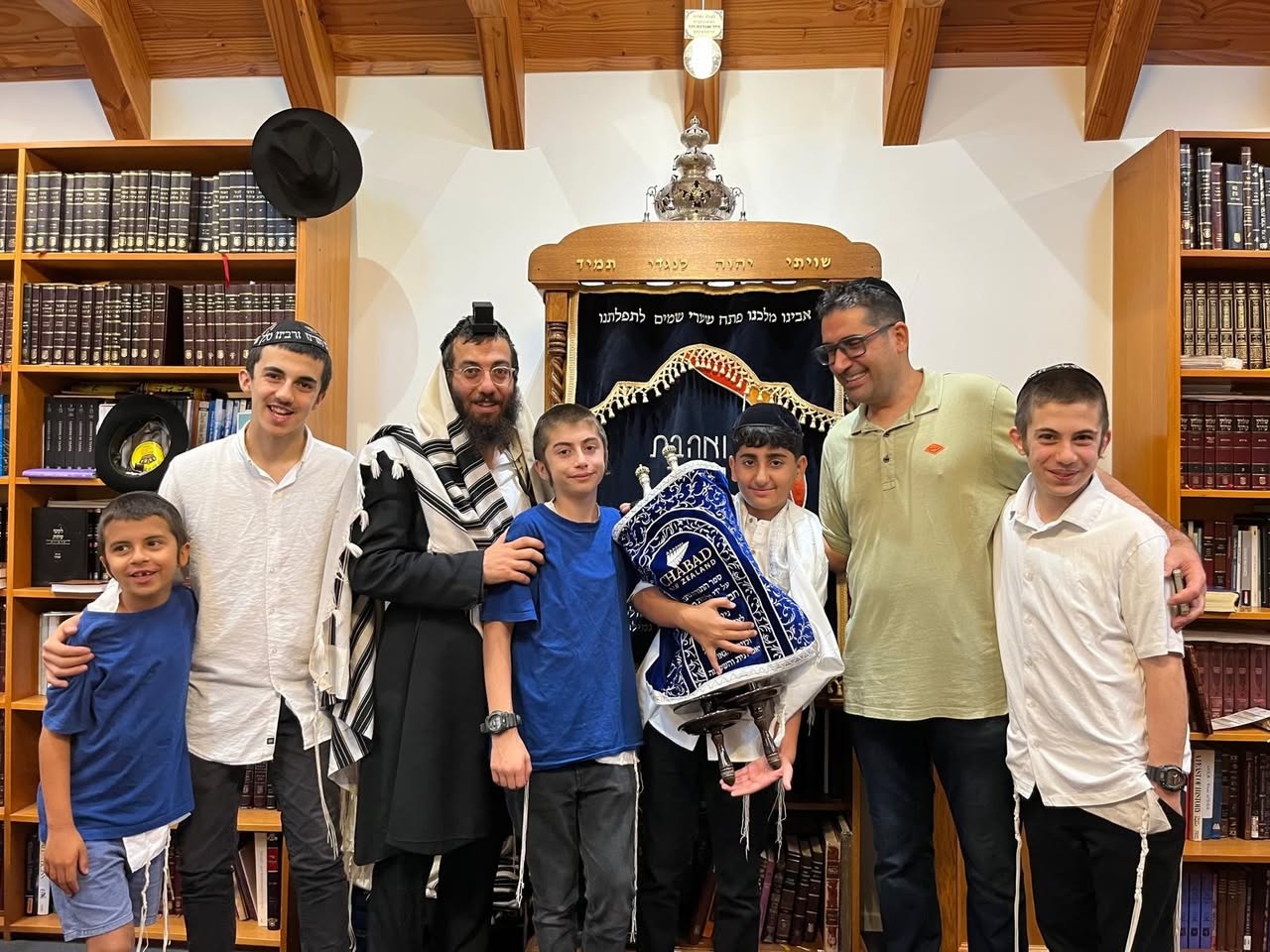
In New York, Melbourne, Sydney or Jerusalem, Jewish infrastructure can feel permanent. New Zealand's Jewish community is small, and the number of places where Jewish life can physically happen is limited.
Jewish life does not disappear when one building is sold. But when a small community loses a permanent place, rebuilding that infrastructure can take years — sometimes generations.
Part eight · Now
The property is being sold.
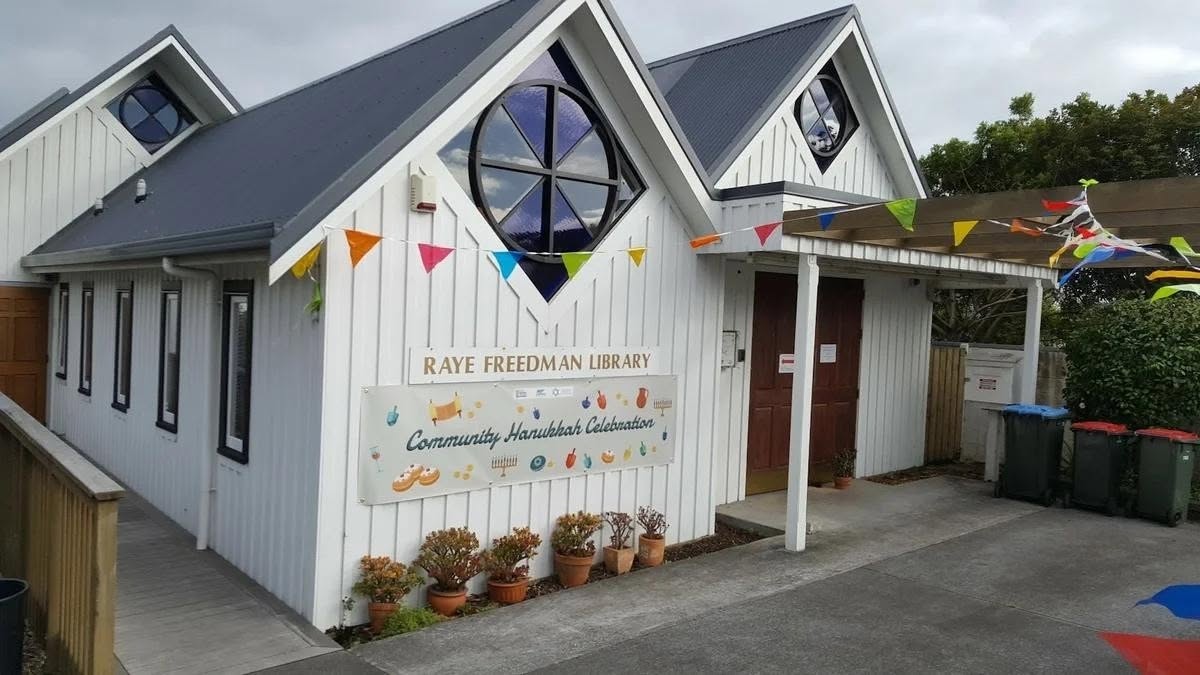
For the first time in a generation, the future of this place is uncertain. Chabad New Zealand has an opportunity to acquire 788 Remuera Road and preserve it as a permanent home for Jewish life.
The property has value as real estate. The community has the opportunity to give it another kind of value: continuity.
Help write the next chapterPlaces survive when generations agree to carry them forward.
Image credits & sources
| Image | Date | Source | Rights |
|---|---|---|---|
| Auckland in 1859 — the young town where Jewish prayer began above a Shortland Street store. | 1859 | Wikimedia Commons | cleared |
| The Princes Street Synagogue, Auckland. | 1885 | Wikimedia Commons | cleared |
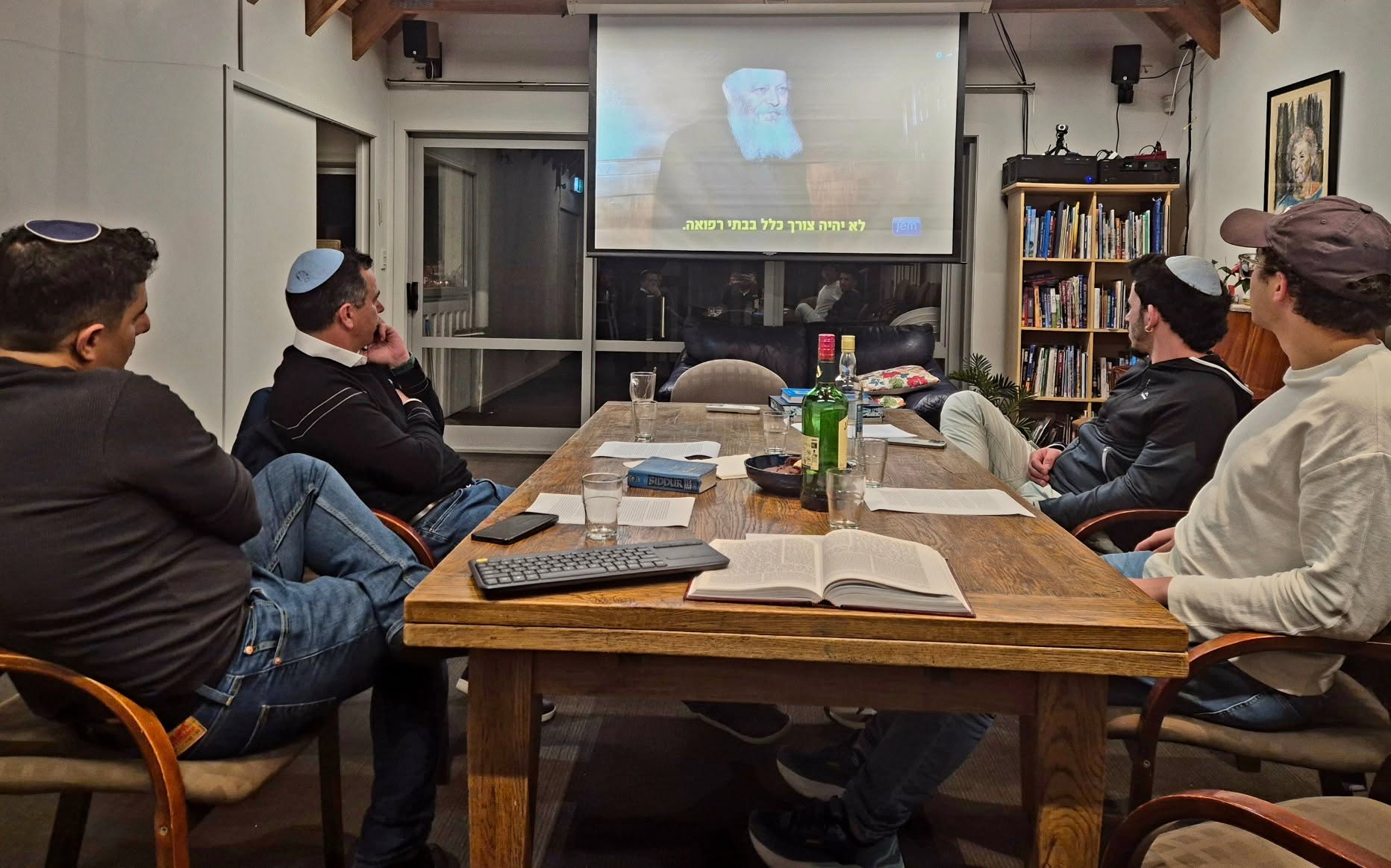
| A weeknight class at 788 — the building doing what it was made for. | — | Chabad New Zealand | cleared |
| Raye Freedman. | — | Chabad New Zealand | cleared |
| Her portrait still hangs in the room she paid for. | — | Chabad New Zealand | cleared |
| In the shul at 788, after davening. | — | Chabad New Zealand | cleared |
| Inside: bookshelves, a small ark, a Torah. | — | Chabad New Zealand | cleared |
| The front of 788 Remuera Road, dressed for Chanukah. | — | Chabad New Zealand | cleared |