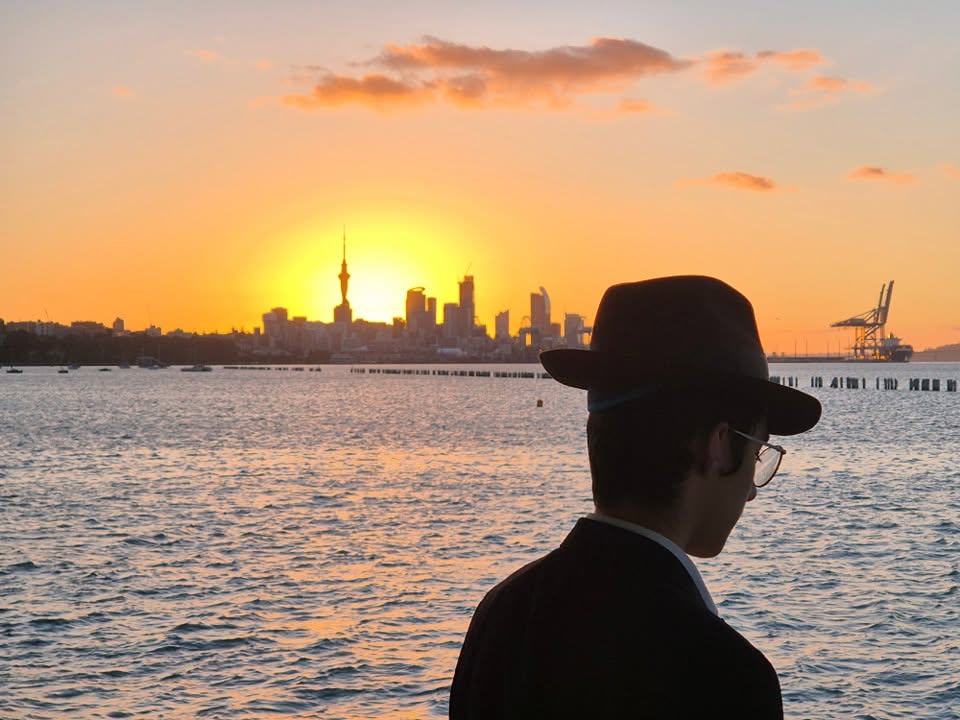
New Zealand
You don’t
come this far
by accident.
New Zealand is a long way from almost everywhere. Getting here takes time. It takes intention. It costs money.
There are easier destinations. Closer destinations. Busier destinations. But some people are looking for something else.
Why come
all this way?
We are not going to answer that on behalf of anyone. The answers belong to the people who made the journey, and we would rather record them than imagine them.
[Real visitor voice to be added]
Interviews for this chapter are being collected. Nothing in quotation marks will appear on this page unless a real person said it and agreed to have it published.
The journey you think you are taking
We usually think we know why we are travelling. There is a ticket. An itinerary. A road. A mountain we want to see. A place on a map.
But Jewish history is full of journeys whose meaning became visible only later.
Sometimes the destination is not only the place you were travelling toward. Sometimes it is the person you meet there. The table you sit at. The door you walk through.
From the centres
of Jewish life,
New Zealand can
feel very far away.
Every line ends in the same place.
Equirectangular projection · 110m coastlines
But Jewish life is already here.
Landscape becomes city. City becomes street.
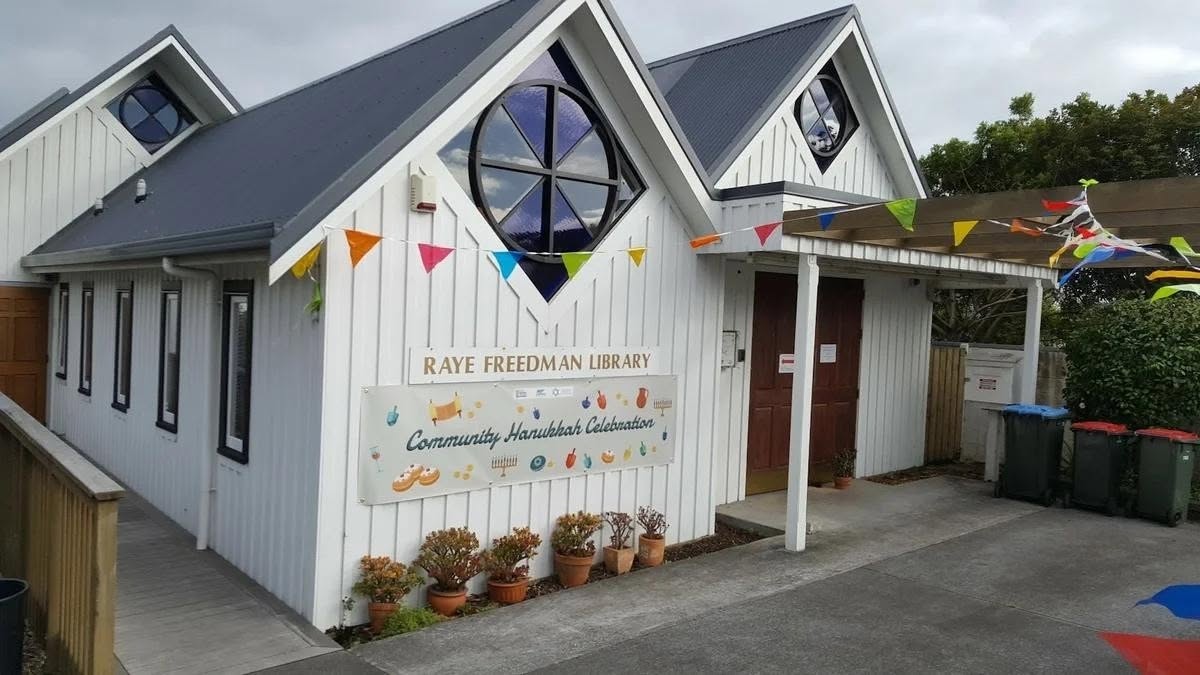
Remuera Road is an ordinary road. Trees, traffic, driveways, people carrying shopping. Nothing about it announces itself. And then, a number: 788.
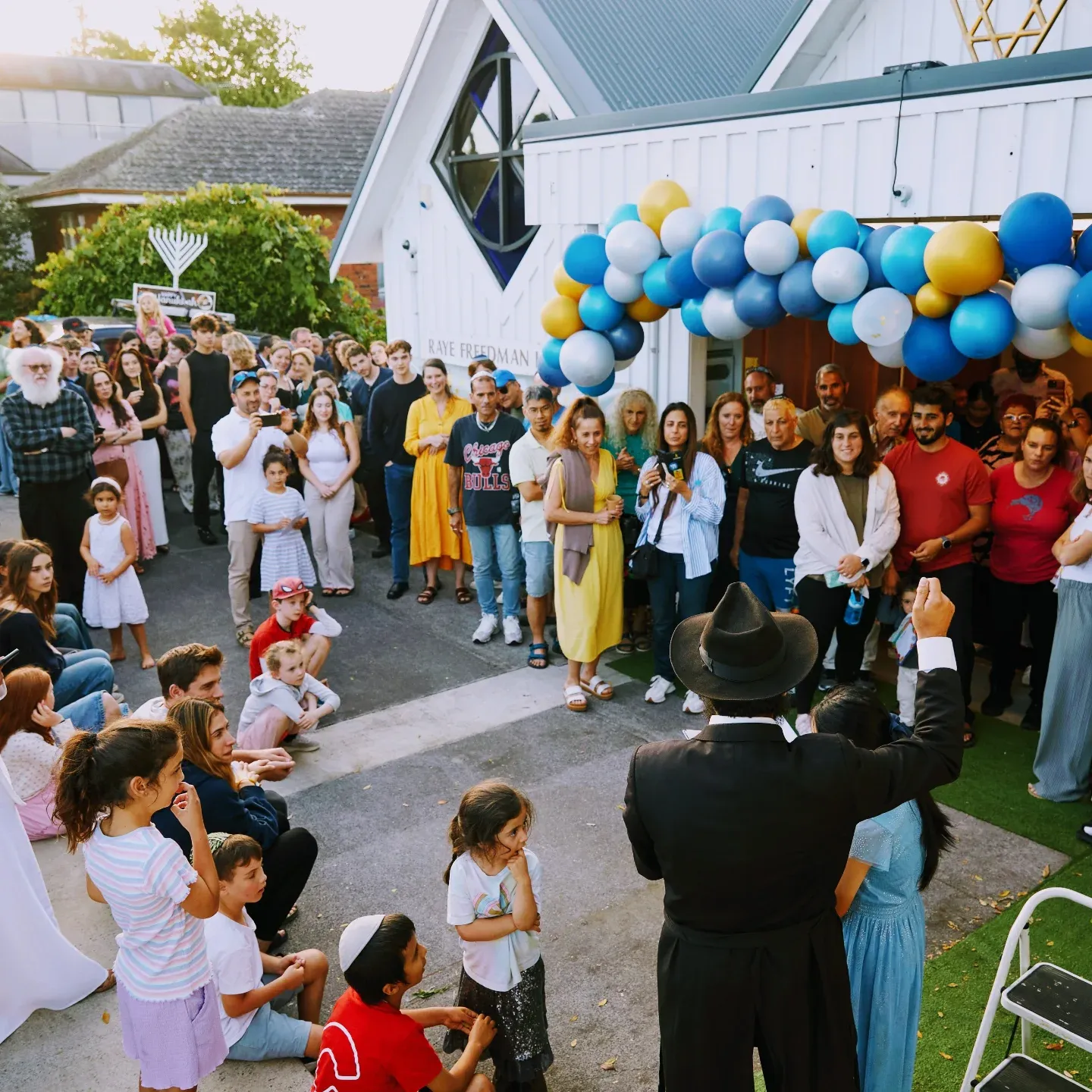
788 Remuera Road · Auckland · New Zealand
After travelling almost as far from home as you can, you open a door.
And hear Hebrew.
The recognition
- A siddur.
- Challah.
- A familiar melody.
- A Jewish book.
- “Where are you from?”
- A child running between chairs.
- Tea.
- Kiddush.
- A Shabbat table.
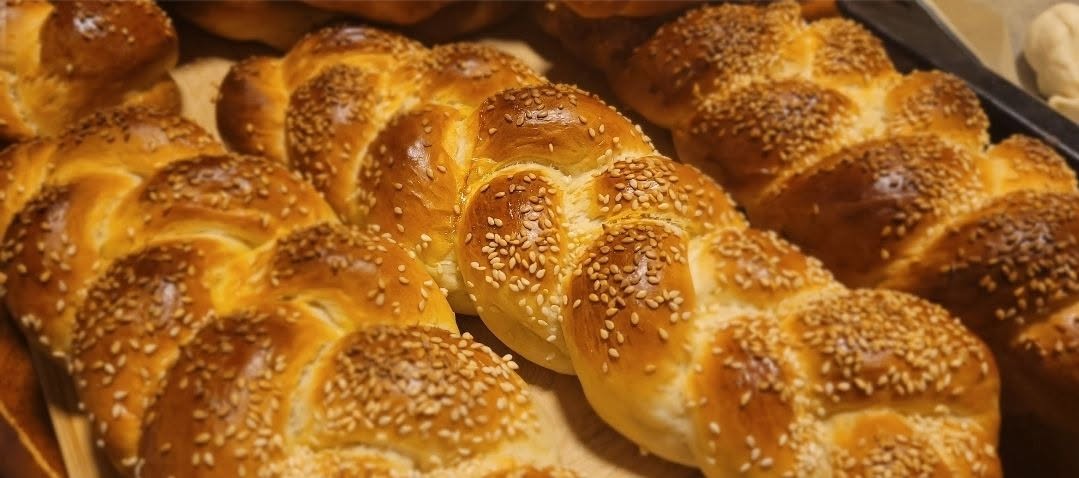

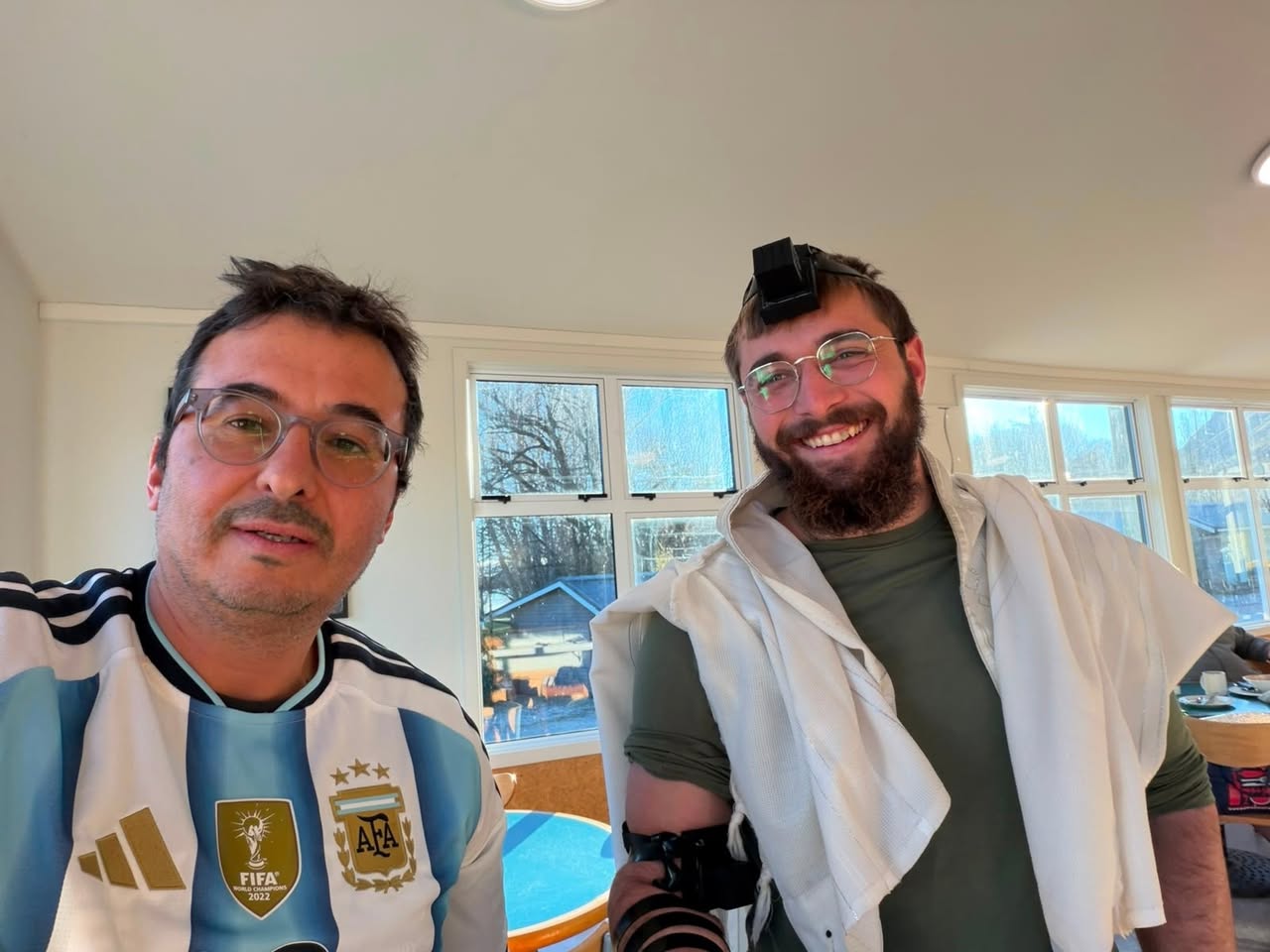
Nothing monumental. Everything familiar.
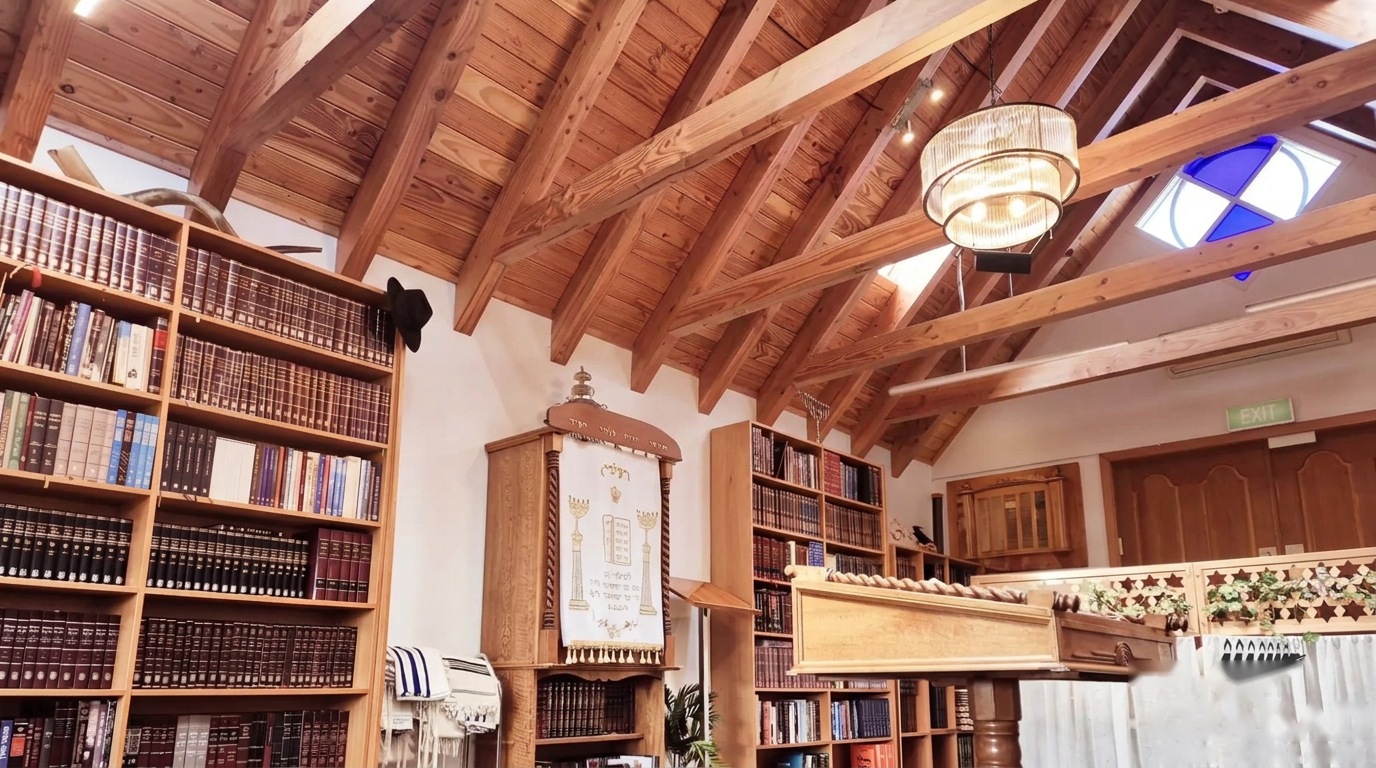
788 is not a revolving door.
It is a destination.
788 was not built around tourism. It does not exist because travellers pass through Auckland. It has its own life. Its own memory. Its own people. Its own history.
The building is the Raye Freedman Library. Jewish Auckland existed long before today’s visitors arrived. Local families return here. Children learn here. People pray here. Books have lived here. Jewish organisations have gathered here. Raye herself knew this place. Today Chabad New Zealand carries much of the Jewish life happening inside it.
So a traveller who enters 788 is entering Jewish New Zealand.
The table
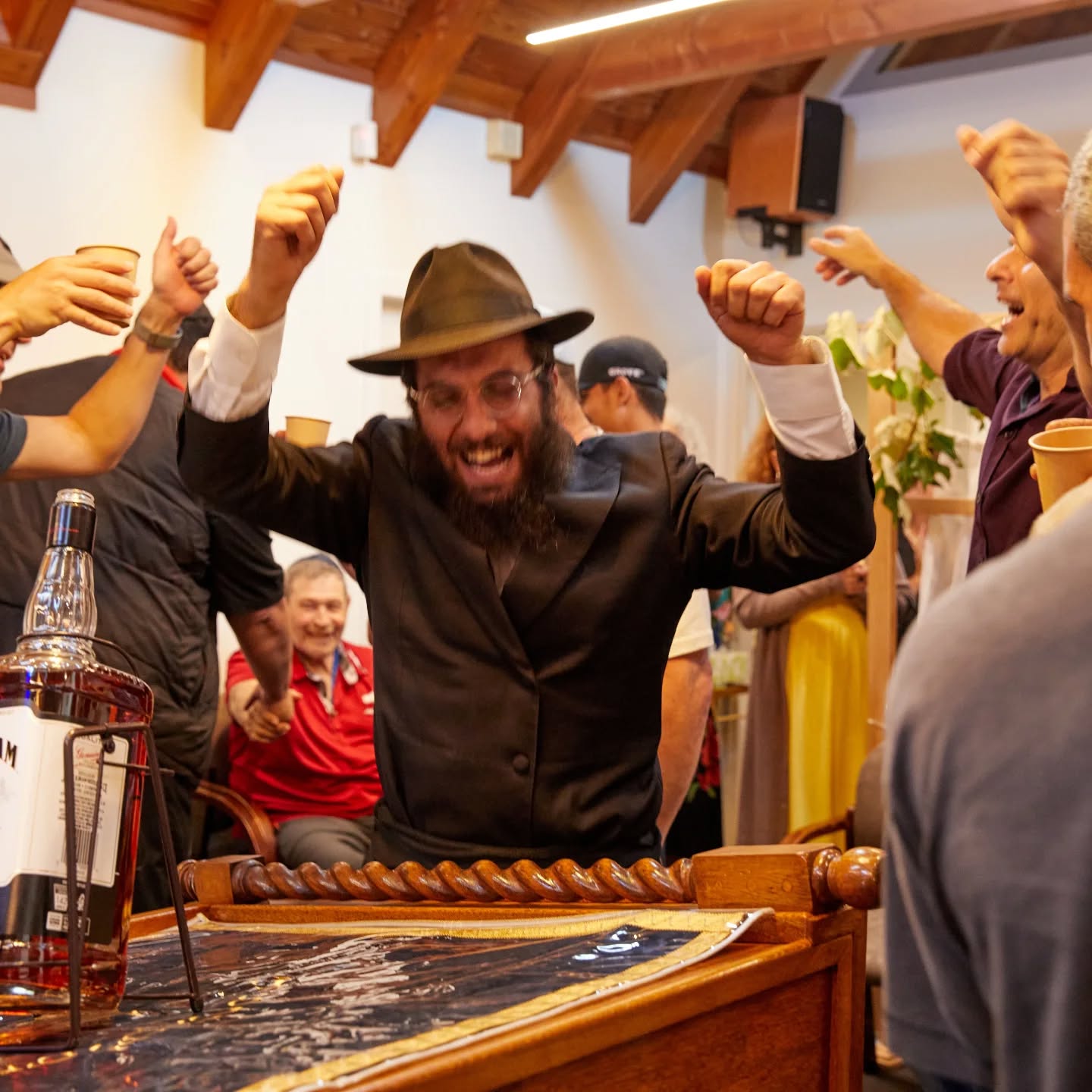
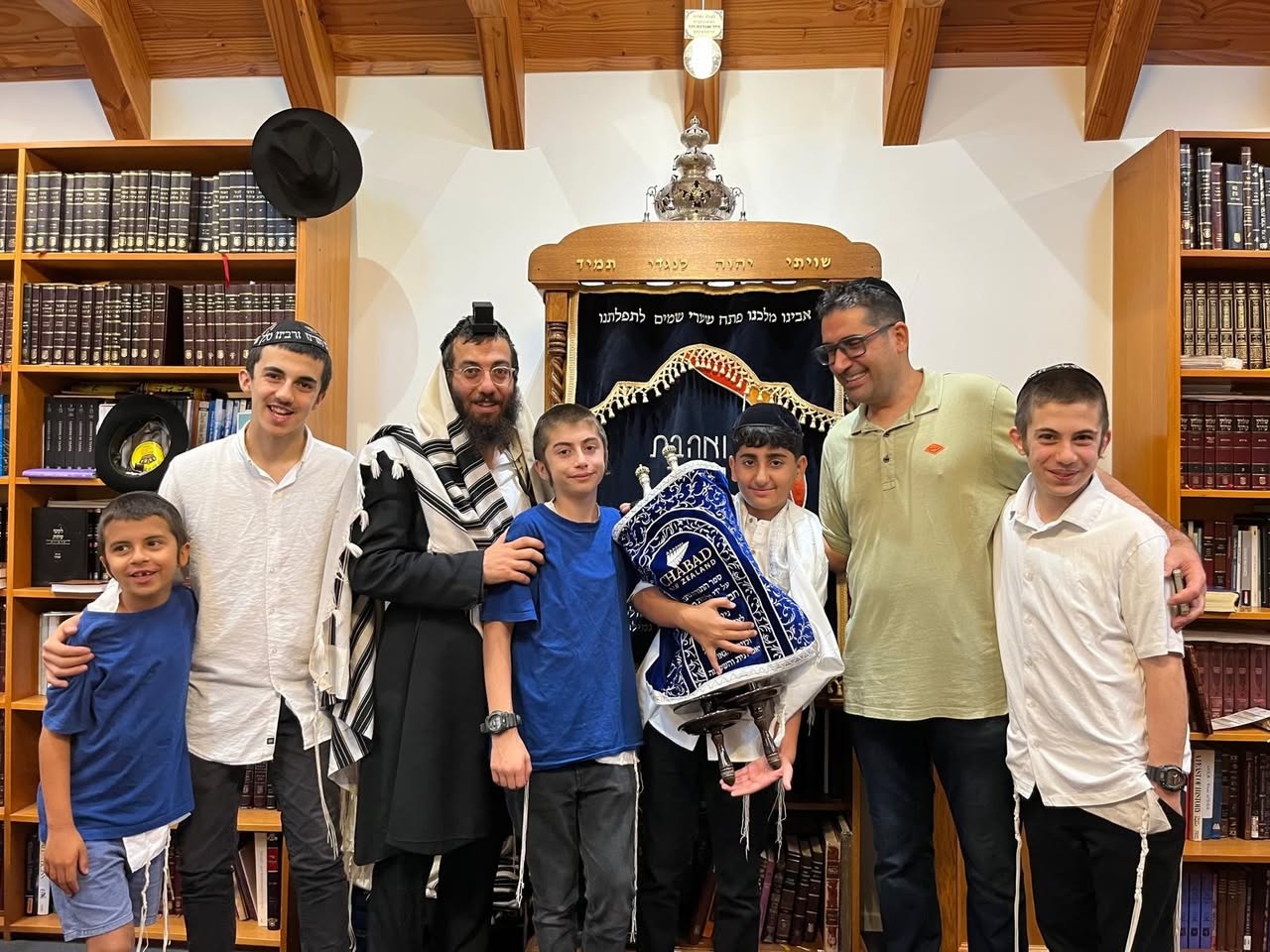
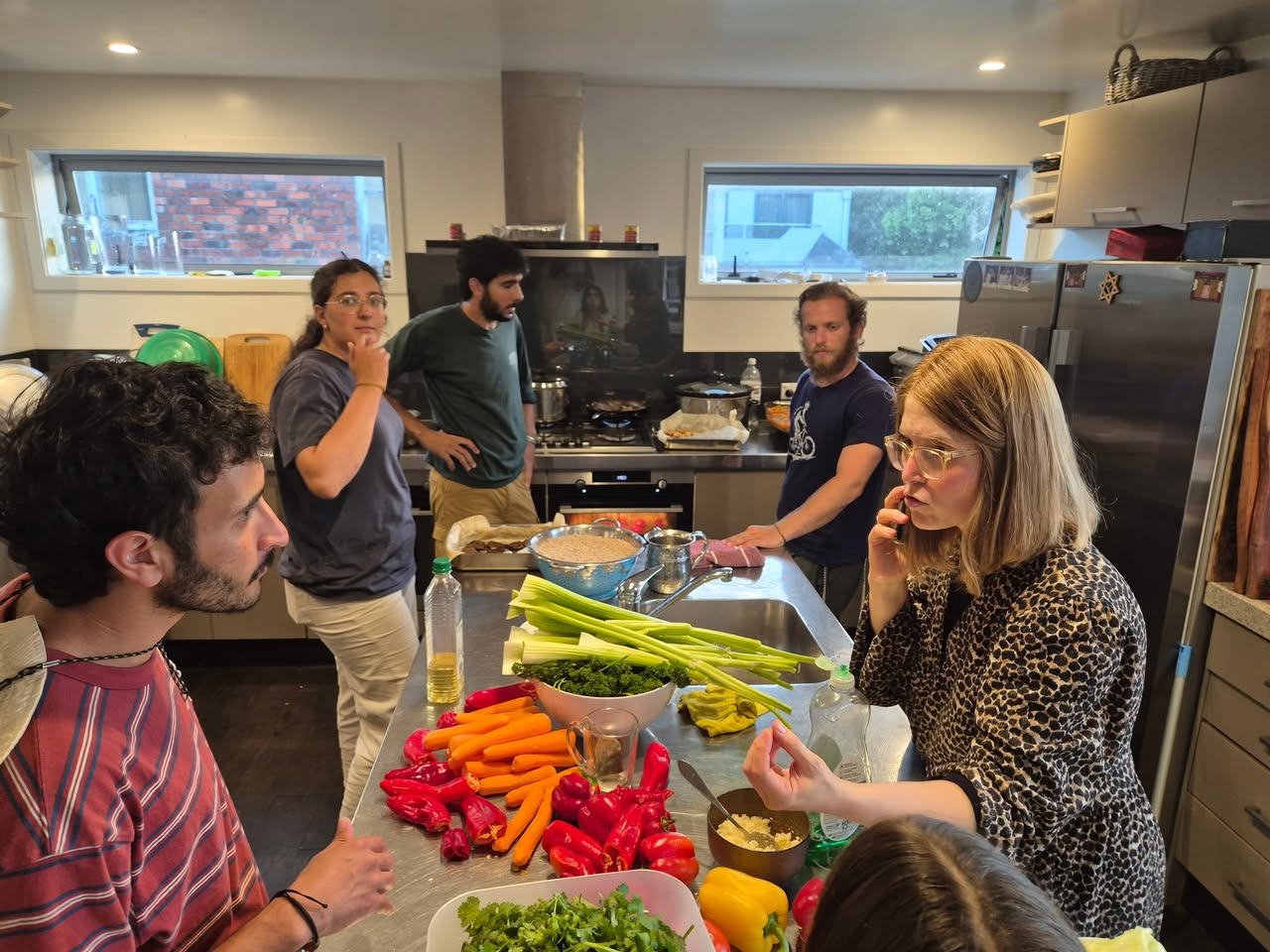
You may have arrived knowing nobody. Then someone gives you a chair. Someone passes the challah. Someone asks where in Israel you live. You ask how they ended up in New Zealand. Someone’s child interrupts. Someone tells a story. Someone disagrees. Someone laughs. The meal continues.
And suddenly the end of the world feels less far away.
The table
works both ways.
A small Jewish community at the edge of the Pacific welcomes people from the wider Jewish world. But those visitors bring something with them.
- Hebrew.
- Stories.
- Songs.
- Memories.
- News from home.
- Different customs.
- New friendships.
- Israel.
- The wider Jewish world.
For one evening, the distance collapses in both directions.
788 connects both ways
A small community sustains Jewish travellers. Jewish travellers sustain the feeling that this small community belongs to something infinitely larger.
The people who stay
Auckland answers
What is it like when visitors arrive? What do they bring into Shabbat? What do the children learn from meeting them? Have visitors become friends? Has anyone returned years later? These are questions for local families, and they are being asked.
Local oral histories are being recorded.
Shlichus is not a one-way transaction. Those interviews belong in this chapter, in the words of the people who live here.
The people who leave
They came through 788.
788 went with them.
Eventually they continue. Rotorua. The South Island. Queenstown. A long road. A flight home. Follow-up stories — marriages, children, return visits, messages, photographs, reunions — will be published here only where the people involved have told them to us themselves.
Memory
This person was here.
They sat at this table.
Among the people who travelled through New Zealand and spent time at 788 over the years, there may be some who later died in military service or in the events that followed. If they are identified, with reliable documentation and the agreement of their families, they will be recorded here as part of the historical memory of this place: a name, a photograph, where they came from, when they travelled, what the community remembers.
Not as fundraising. Not as leverage. Simply because they walked through this door and the people here remember them.
That is memory. Not marketing.
This collection is deliberately empty.
Nothing will be published without documentation and the explicit consent of a family.
Coincidence?
Jewish tradition has another language for moments like these.
Hashgacha pratis.
Divine Providence
The idea that where a person finds themselves, who they encounter, and what they are able to do there may carry meaning beyond what they understood when the journey began.
A person buys a ticket to New Zealand. They think they are travelling toward mountains. Or silence. Or distance. And somewhere in Auckland, a chair is waiting at a Jewish table.
A Jew travels
to the end of the world.
Hashem
was already there.
Decades earlier…
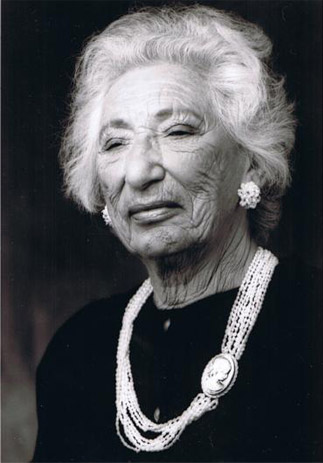
Raye Freedman also travelled an extraordinary distance before New Zealand became home. Her journey was completely different: a different generation, different circumstances, a different world. It should not be compared to modern travel.
But there is a quiet continuity. She arrived. She built a life. She created a place. Decades later, people she could never have imagined walk through its door.
She could not know who would need the place. She only had to help make it.
The Rebbe
Long before today’s permanent Chabad presence in New Zealand, the Lubavitcher Rebbe was already concerned with whether Jewish life had the infrastructure to survive at this distance. Mikvah. Education. Community. People.
Shlichus
How far
is too far?
Shlichus answers the question very simply. If a Jew is there, it is not too far. New Zealand makes that principle almost visible on a map.
Time
New Zealand sits near the beginning of each new calendar day. At what looks like the end of the map, another day is already beginning.
They came because it was far.
They found something close.
Home does not always mean the place where you live. Sometimes it is the place where someone recognises you. Sometimes it is a table. Sometimes it is a song. Sometimes it is a door.
People leave 788. They continue travelling. Eventually they go home. But the encounter travels with them. And their encounter remains here too.
That is how a small Jewish community becomes part of a global Jewish story.
And this is one of the things we have the opportunity to keep.
Not merely a building. Not merely a library. Not merely a Chabad centre. A Jewish door at almost the end of the world. A place where local life and global Jewish life meet. A place with a past. A place with people inside it now. And, b’ezrat Hashem, a place with a future.
The end of the world
is a destination.
788 Remuera Road · Auckland · New Zealand
The door is open.
Next chapter