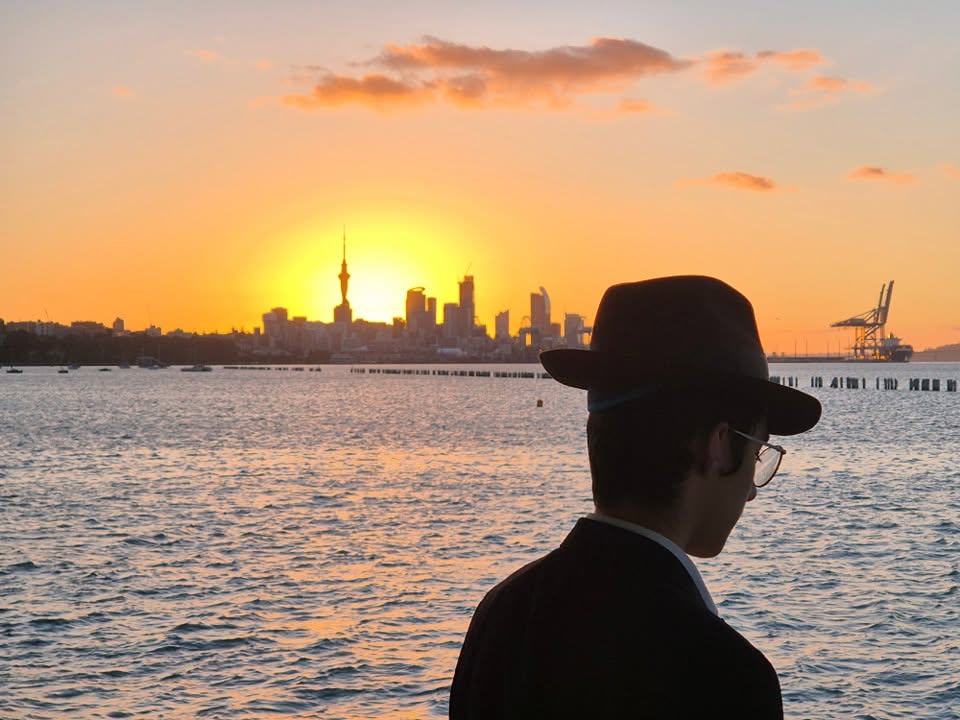
The Pacific, before dawn
Where
tomorrow
begins
At the edge of the map, a new day is already beginning.
Special story
What looks like the end of the world
is also the beginning of tomorrow.
New Zealand is among the first countries to enter each new day. That single fact quietly rearranges what remoteness means.
The date line
The calendar does not change everywhere at once. A new day moves around the earth, west from a line in the Pacific. New Zealand encounters it early.
01
The Pacific
Open water, and a line drawn on a chart.
02
The date line
Where the calendar changes.
03
New Zealand
Just west of it. Among the first into the new day.
04
Australia
Two to four hours behind, depending on the season.
05
Asia
The day continues westward.
06
The Americas
Last to receive what began out here.
Some Pacific territories enter the calendar day before New Zealand does. The claim here is not to be first — only to be early.
A Jewish day
A Jewish day
does not begin
at midnight.
It begins
at sunset.
Geography and Jewish time interact in a particularly beautiful way here. The working week ends when the light goes, not when a clock strikes twelve — and out here, the light goes early relative to almost everywhere else that keeps it.

Friday afternoon
in Auckland.
Elsewhere, the working day continues. New York is many hours behind. Jerusalem is behind. London is behind. But here, people begin preparing for Shabbat.

Challah, before sundown.

Candles.
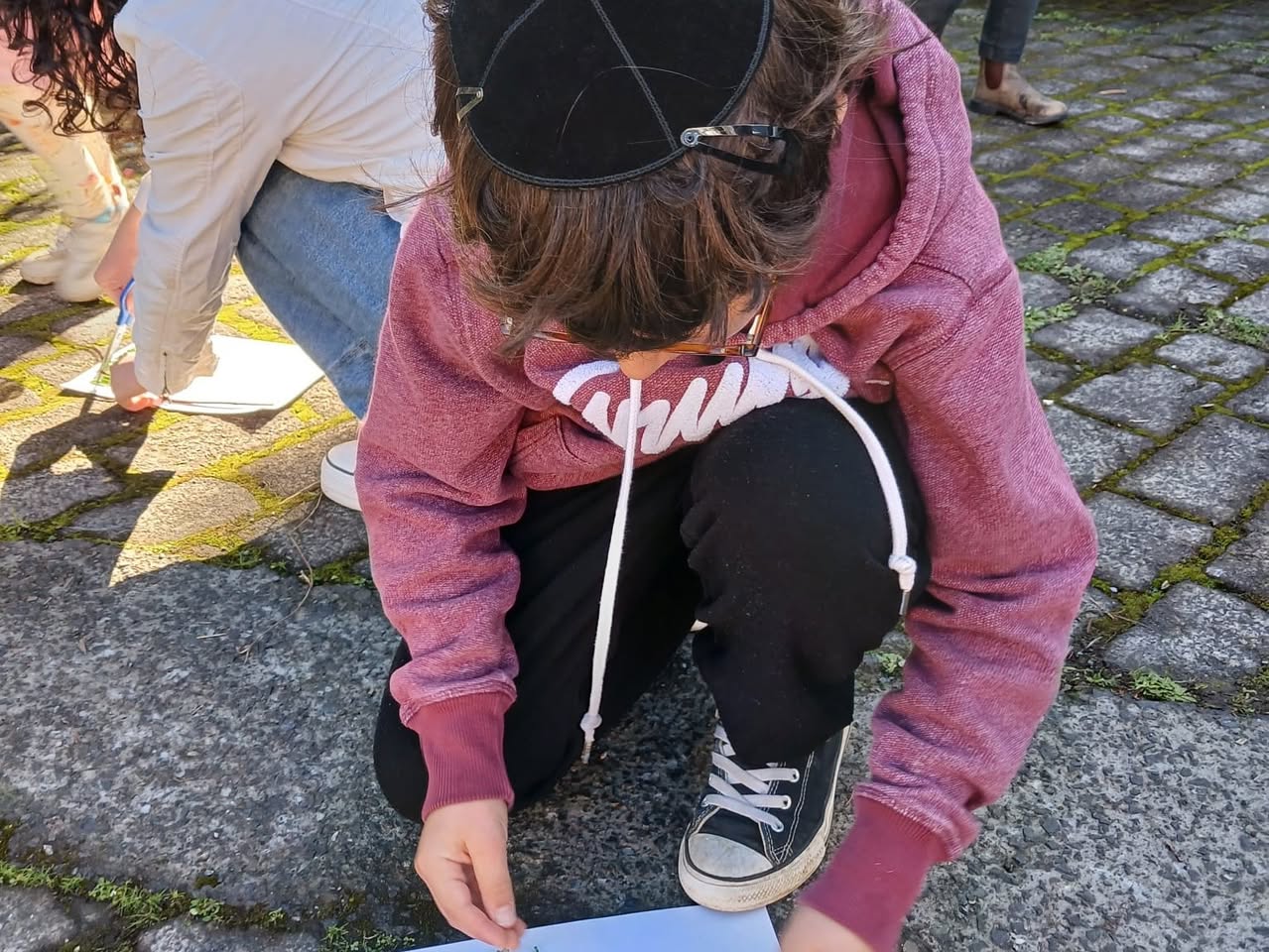
Children, arriving.

A table at 788.
Before Shabbat reaches many of the world's great Jewish cities, it has already arrived here. At the edge of the Pacific, a small Jewish community closes the working week. Candles are lit. Kiddush is made. Another Jewish day begins.
When it is now
The same moment, in five places.
- Auckland
- —:—
- Melbourne
- —:—
- Jerusalem
- —:—
- London
- —:—
- New York
- —:—
Live local times, including daylight saving as each zone currently observes it.
The Jewish world moves
Shabbat travels westward.
- 01AucklandCandles are lit at the edge of the Pacific.
- 02Sydney & MelbourneA couple of hours later.
- 03AsiaSmall communities, long distances.
- 04JerusalemBy now, Shabbat has been in New Zealand for most of a day.
- 05EuropeLondon closes the week.
- 06New York — 770Brooklyn joins the same Shabbat, last of all.
Illustrative geography, not a halachic ordering.
When Shabbat
has already arrived
at 788,
770 is still
preparing.
Hours later, Brooklyn joins the same day. The addresses are separated by enormous distance. The Jewish day connects them. 770 → 788 is not only geography. It is also time.
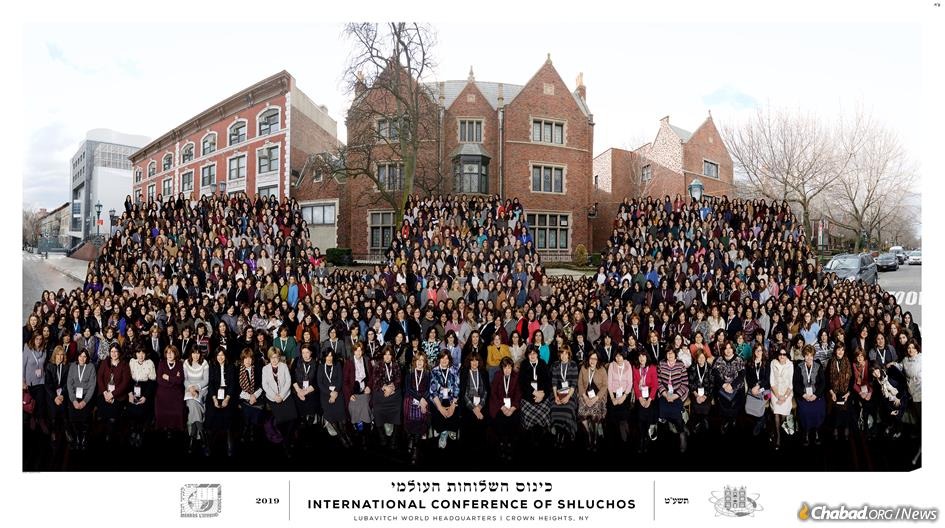
Perhaps the edge
is only a matter
of perspective.
A place can be far from one centre and still stand at the beginning of something.
Jewish life in New Zealand contains a beautiful contradiction. We are far away. And yet each new Jewish day reaches us early. Distance and beginning coexist. Perhaps that is an appropriate place for shlichus. Perhaps that is an appropriate place for a Jewish home.
Some people travel here because it feels like the end of the world. Then they discover that tomorrow has already begun.