Jewish New Zealand / People

Raye
Freedman

A life that
became a legacy.

Teacher. Speech therapist. Businesswoman. Property developer. Philanthropist.

Begin with Rachel ↓
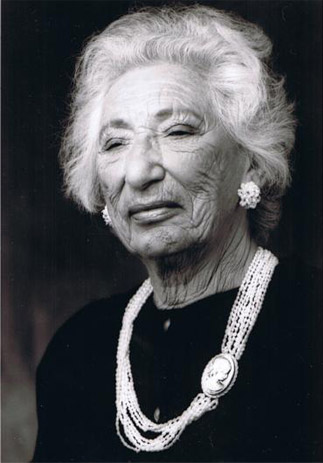
Black and white portrait of Raye Freedman, smiling, wearing a cameo necklace
Raye Freedman.
Chapters
  1. 01Rachel
  2. 02London
  3. 03War
  4. 04Ernst
  5. 05Auckland
  6. 06Work
  7. 07Loss
  8. 08Property
  9. 09Mannie
  10. 10Giving
  11. 11Arts centre
  12. 12Shalom Court
  13. 13The Library
  14. 14Legacy

Before there was a library,
before there was an arts centre,
before there was a charitable trust,
there was Rachel.

Rachel Ginsberg was born in Winnipeg, Canada. She would eventually become known in New Zealand as Raye Freedman.

Between those two names lies a life shaped by migration, war, work, loss, enterprise and an extraordinary habit of giving things away.

This is her story.

01Rachel

Before she was Raye

Rachel Ginsberg was born in Winnipeg, Canada.

Winnipeg in the early twentieth century held one of the largest Jewish communities in Canada: immigrant families, a generation or two off the boat, still building the institutions they had come without.

Published accounts of her life differ on the year: the Raye Freedman Arts Centre gives 1909, the Jewish Lives project gives 1910. Her obituary says she died in 2006 aged ninety-six. We print the disagreement rather than choosing a side.
02London

Learning to listen

Research indicates that Raye trained in London as a speech therapist.

Before property, before philanthropy, before any of the things she is now remembered for, her profession was concerned with something elemental: helping people communicate.

It is a working life of patience, close attention and small daily progress, and it is worth pausing on rather than passing over.

03War

1939

Europe goes to war

Raye's life changes direction.

Research indicates that after the outbreak of the Second World War she began travelling back toward Canada. During that journey she met a Czech Jewish refugee: Ernst Blumenthal.

The route, the ships, the ports and the dates are exactly the kind of detail that survives in passenger lists and immigration files. None of it is established here yet.

Route

LondonNew Zealand

04Ernst

Ernst Blumenthal

A refugee from Czechoslovakia.

They met on the ship. Raye followed him to New Zealand, and in 1941 they were married in Auckland — by Rabbi Astor, in his own house on Park Road, which tells you something about the size of the community she was joining.

What he left behind in Europe is not ours to narrate. The record here is spare, and we will not fill it in with the general history of the period.

Relationship

Raye Freedman ↔ Ernst Blumenthal — spouses, married Auckland 1941.

If a marriage certificate or newspaper announcement is located it will be published here as a primary document.

They were not the only ones → Jewish refugees & New New Zealanders, 1930s–1950s

05Auckland

Making a home at the edge of the world

Auckland in the 1940s was a small city a very long way from everywhere. For people arriving from Europe it was safety, and it was also strangeness: a different climate, a different scale, a Jewish community numbered in hundreds rather than tens of thousands.

Two things are true at once, and the archive holds both. Raye developed a deep and lasting gratitude toward New Zealand. And New Zealand's immigration policy toward European Jews in those years was restrictive, quietly quota'd, and historically complicated.

We do not flatten that second truth to make the first one warmer.

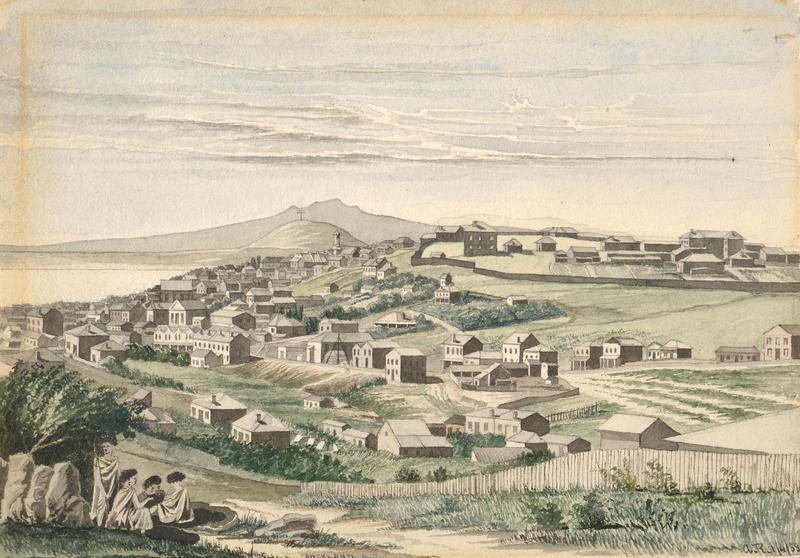
A nineteenth century view of Auckland from the harbour, 1859
Auckland in 1859 — the young town where Jewish prayer began above a Shortland Street store.1859

06Work

Before the fortune

There is a version of this story that jumps straight from immigrant to philanthropist. It skips about thirty years of work.

In New Zealand she worked first as a teacher, and with Ernst she ran the Kottage Kake Kitchen on Queen Street — a cake shop in the middle of town, through the war years and after.

Thirty years of that. No fortune yet, and no library.

A teacher

A speech therapist

Kottage Kake Kitchen

ARCHIVE IN DEVELOPMENT

Kottage Kake Kitchen

Index and search terms

  • Kottage Kake Kitchen
  • Kottage Cake Kitchen
  • Raye Blumenthal
  • Ernst Blumenthal
  • Ernest Blumenthal

Records sought

  • Newspaper advertisements
  • Telephone directories
  • Company registration
  • Address
  • Menus
  • Packaging
  • Photographs
  • Recipes
  • Business notices

1968

Ernst died.

Raye's first marriage had ended. Her working life was about to change dramatically.

08Property

Starting again

After Ernst's death Raye — then around sixty — went into property development and management, and was successful at it in an industry that was, at the time, almost entirely men. Everything she is remembered for giving away was earned in the last third of her life.

This is business history, and it deserves to be researched as business history: titles, companies, addresses, financing, newspaper coverage. Not anecdote.

Map in development

Raye's Auckland

A map of verified addresses only — residence, business, development, philanthropy, community. A property appears here after it is verified in a land title, directory or newspaper record, and not before.

  • Residence
  • Business
  • Development
  • Philanthropy
  • Community

Property created wealth.

Raye used wealth to create places.

  • Home
  • Education
  • Arts
  • Community
  • Library

09Mannie

Another chapter

Raye married Mannie Freedman in 1979. He died in 1986. She outlived him by twenty years.

This is also the point at which her historical surname becomes Freedman — the name the library, the arts centre and the trust would eventually carry.

Name timeline

GINSBERG

Winnipeg

BLUMENTHAL

Auckland, from 1941

FREEDMAN

Auckland, from 1979

What do you do
with success?

Raye gave. Not to one institution, and not to one community. The clearest way to see what she believed is not a donor list but a set of categories.

  • Children
  • Education
  • Jewish life
  • Arts
  • Social welfare
  • Scholarship
  • Community

Philanthropy dataset — in development

  • Shalom Court

    A Jewish rest home for Auckland

    Closely involved in its establishment. Still operating today in St Johns as a small non-profit rest home and hospital.

    Founding date and the size of her involvement are not yet established.

    Date to verify
    Amount not published

  • Kadimah School

    Jewish education and scholarship support

    Support for Jewish education, including scholarship assistance for families.

    Historical accounts describe her support for scholarships. No figures or proportions are published here until exact source wording is attached.

    Date to verify
    Amount not published

  • Epsom Girls Grammar School

    Raye Freedman Arts Centre — completed the school's Jubilee Project of 1992

    A 258-seat performing arts centre for a school she had no connection to. Funded with Auckland's city council; she lived to attend performances there.

    Gift 2003 · Opened 2005
    Amount not published

  • Epsom Girls Grammar School

    Three annual arts scholarships, endowed in her name

    Still awarded every year to students of the school.

    Date to verify
    Amount not published

  • University of Auckland

    Raye Freedman Trust Undergraduate Award

    Funded by the trust that carries her name, thirteen years after her death.

    Established 2019
    Up to $8,000 a year, two awards

  • Raye Freedman Library, 788 Remuera Road

    A library and centre for Jewish learning and community life

    Established to promote Jewish education and to hold educational resources on subjects of Jewish interest.

    Date to verify
    Amount not published

Every record in this dataset stores: Organisation · Project · Date · Amount · Amount public? · Purpose · Personal gift / trust gift · Category · Source · Document · Photograph · Notes · Verification status. No amount appears on this page unless a source publishes it.

Kadimah

A place for children to learn

Raye supported Jewish education and Kadimah School, and historical accounts describe her support for scholarships. We publish no numbers or proportions until the exact source wording is attached.

  • Scholarships
  • Letters
  • School records
  • Photographs
  • Testimonials
  • Former students
Her idea of community was bigger than one community.

Chapter 10 — The arts

She got to sit in the audience

Raye Freedman had no daughter at Epsom Girls Grammar School. She had no connection to the school at all.

The school had been trying to build a proper performing arts centre since 1992, when it started life as the Jubilee Project. Thirteen years is a long time to hold on to a set of drawings.

In 2003 Raye gave the money that finished it. Auckland's city council came in alongside her. The building opened in 2005, designed by ASC Architects as the figurehead of the Gillies Avenue frontage — the last piece of the school's masterplan.

She was in her nineties. The point of giving in 2003 rather than by will was simple, and the school says it plainly: her donation meant the centre was completed in time for her to see it, and she enjoyed many performances there before she died in 2006.

That is the detail worth sitting with. Not a plaque unveiled in her absence. An old woman in a seat in a 258-seat auditorium, watching teenage girls she had never met sing, act and play, in a room that exists because she wrote a cheque.

She also endowed three arts scholarships at the school. They are still awarded every year, in her name, to students who were not born when she died.

Most philanthropy is posthumous. Raye's was in time to be enjoyed.

The Raye Freedman Arts Centre and Epsom Girls Grammar School both publish this account; the New Zealand Herald obituary of 28 April 2006 corroborates it. Dollar figures are not published by any of them, so none appear here.

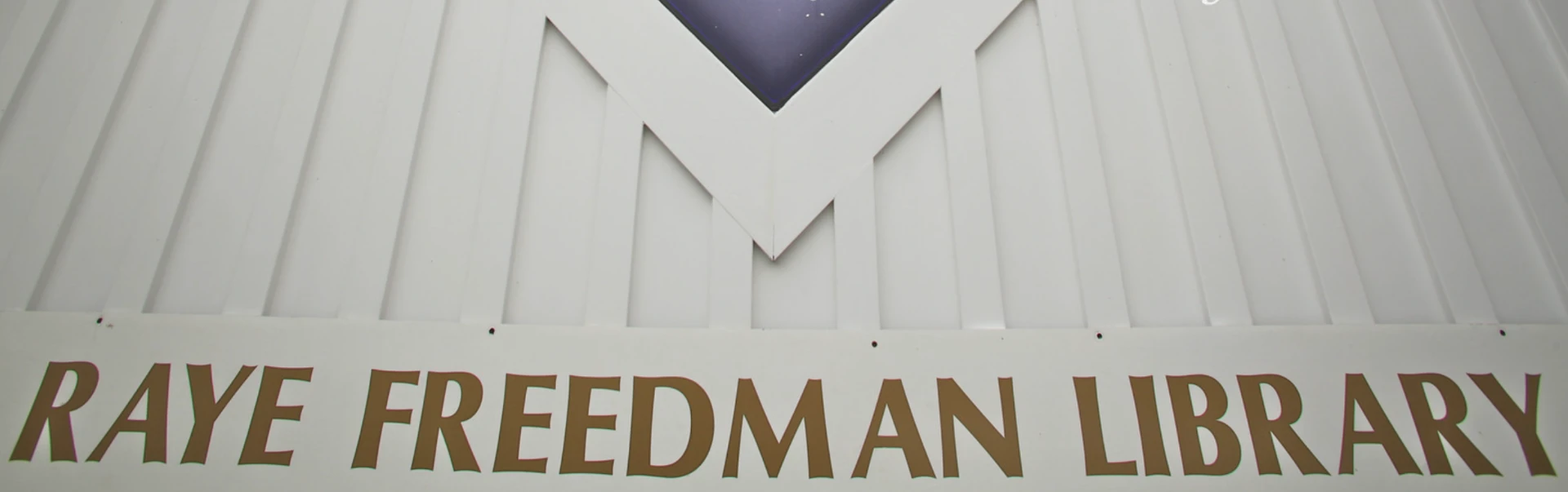
Gold lettering reading Raye Freedman Library on the wall at 788 Remuera Road
Her name, in gold, on a wall she paid for.
Project
Raye Freedman Arts Centre, Epsom Girls Grammar School, Gillies Avenue
Origin
Began as the school's Jubilee Project, 1992
Raye's gift
Made in 2003; described by the school as an extremely generous donation
Partner funder
Auckland City / Auckland Council
Opened
2005
Architects
ASC Architects
Auditorium
The Lady Fisher Auditorium, 258 seats
Named for
Lady Joyce Fisher, former student and supporter of the school
Home to
The school's music and drama departments; also hired by professional and community companies
Scholarships
Three arts scholarships endowed by Raye, awarded annually in her name
Later support
A grant of $200,000 from the Raye Freedman Trust to the EGGS Foundation for the centre's sustainability
Size of Raye's gift
Not published by the school or the council

1992

The school begins its Jubilee Project

2003

Raye's gift completes the funding

2005

The doors open; she takes a seat

3

Arts scholarships, awarded annually in her name

Chapter 11 — Shalom Court

The other building she helped begin

Before the arts centre and before the library, Raye was closely involved in establishing a Jewish rest home in Auckland.

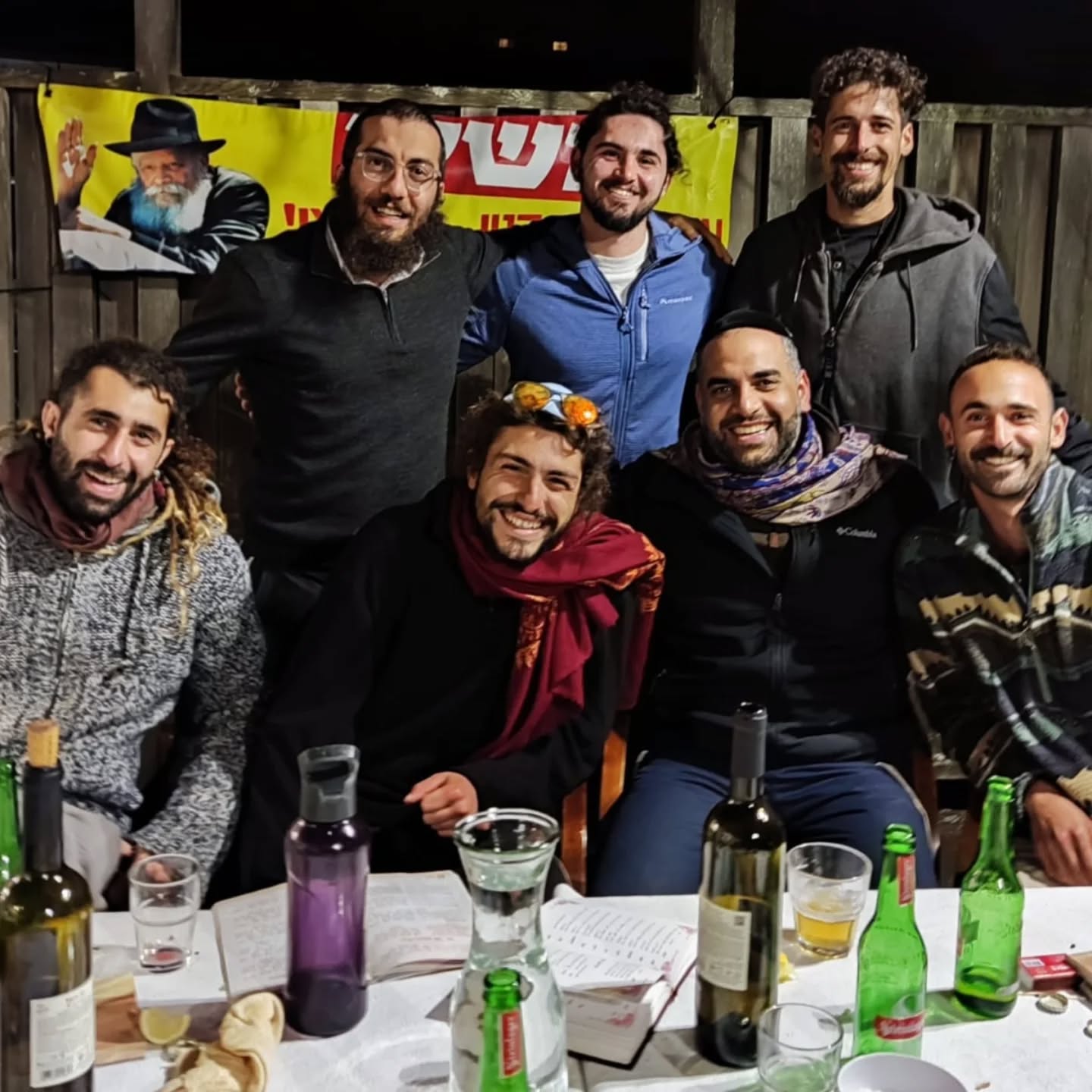
Community members and a rabbi seated together at a Shabbat table
Shabbat, shared — the same hospitality Shalom Court was built for.

The New Zealand Herald's obituary records it in a single line: she was closely involved in the establishment of Shalom Court, a Jewish rest home. It is the sort of sentence that is easy to read past.

Shalom Court is still open. It operates today at 169A–171 St Johns Road, in St Johns, as a small non-profit rest home and hospital — under thirty beds — for older members of the community and their neighbours.

It is, in other words, one of the very few things Raye helped start that has been continuously used for its original purpose ever since: somewhere for people to be looked after at the end of a long life. Many of its residents belong to the generation she arrived with.

Sixty-odd years after it began, Shabbat is still marked there — visits from the rabbi and members of the community at 788 Remuera Road, kiddush, a table, singing. The library she built and the rest home she helped begin are, in practice, still part of the same week.

A library keeps a community's mind. A rest home keeps its memory. Raye put her money into both.
Current address
169A–171 St Johns Road, St Johns, Auckland
Today
Boutique non-profit rest home and hospital, under 30 beds; a certified provider
Raye's role
Closely involved in its establishment (New Zealand Herald, 2006)

Shabbat gatherings at Shalom Court with the rabbi and community members from 788 are recorded here from first-hand account rather than from a published source. Dates, photographs and permissions are being collected before anything further is stated.

The trust

A legacy designed to outlive her

A charitable trust associated with her philanthropy is reported to have been established around 2004, and it has carried that philanthropy forward since. The legal history — names, deeds, dates — needs to be established from the record before any of it is published as fact.

Registered name
Raye Blumenthal Freedman Trust (New Zealand)
Charities registration
CC25580 · Charities Services register
Registered
Reported 9 June 2008
Also referred to as
Raye Freedman Charitable Trust — whether this is the same legal entity is not established
Stated purposes
Education; relief of poverty; the advancement of Judaism and care of the elderly Jewish community; support of disadvantaged or orphaned children
Seed asset
Her first property is reported to form a major part of the trust
University of Auckland
Raye Freedman Trust Undergraduate Award, established 2019 — two awards of up to $8,000 a year

The breadth of it

Jewish life

3 verified records so far

Education

5 verified records so far

Arts

2 verified records so far

Social welfare

1 verified records so far

Scholarship

3 verified records so far

Youth

3 verified records so far

She did not simply donate to one institution. She built an ecosystem — and it is still incomplete on this page, because the records are still being gathered.

And then
a library.

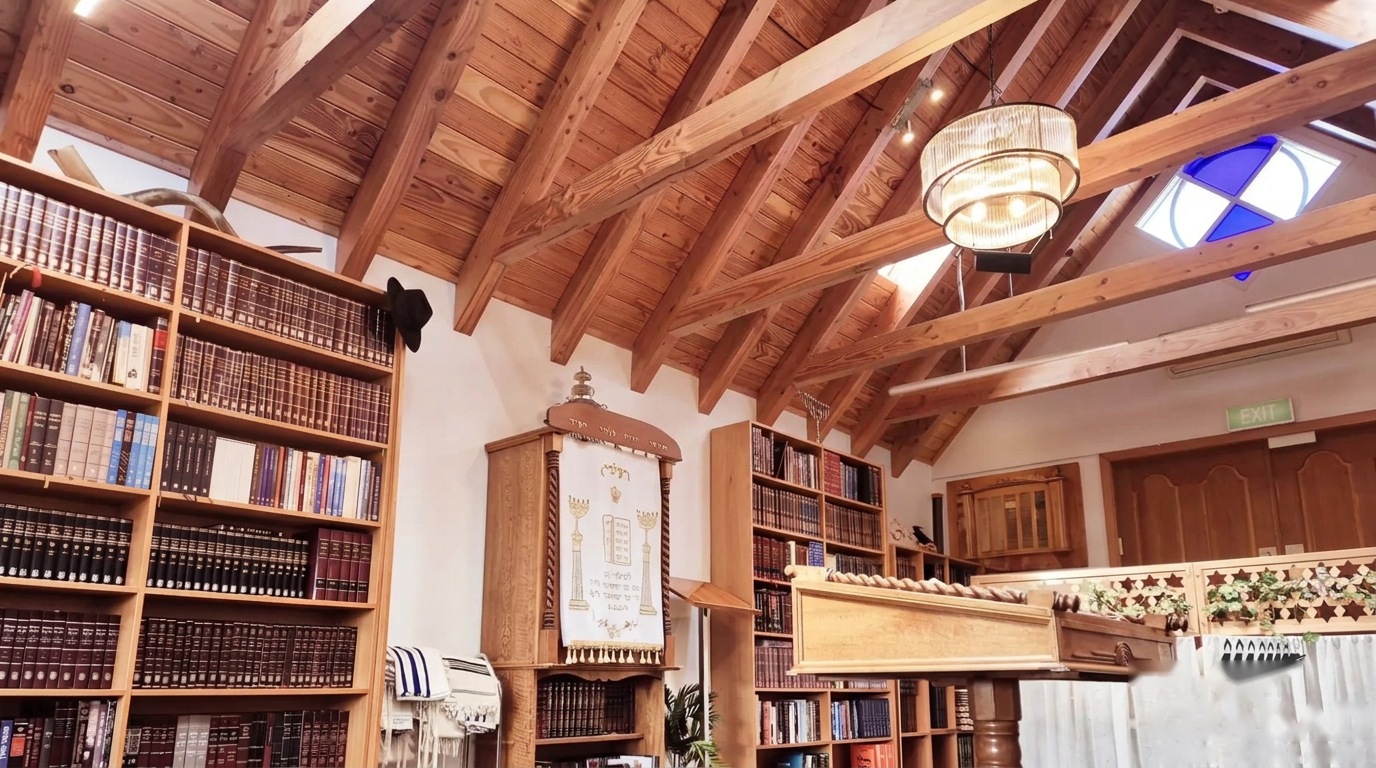
The interior of the Raye Freedman Library: timber cathedral ceiling, floor-to-ceiling bookshelves, the ark and the bimah
Inside the Raye Freedman Library — the timber ceiling, the books, the ark.

Late in her life, Raye created something unusually personal: a library in Remuera, for Jewish learning, conversation, worship and community, holding thousands of books.

The books were only the beginning. In the decades since, Jewish Auckland has used the building for the ordinary weeks as much as the festivals — meetings, classes, talks, holidays, Shabbat.

788

788 Remuera Road.

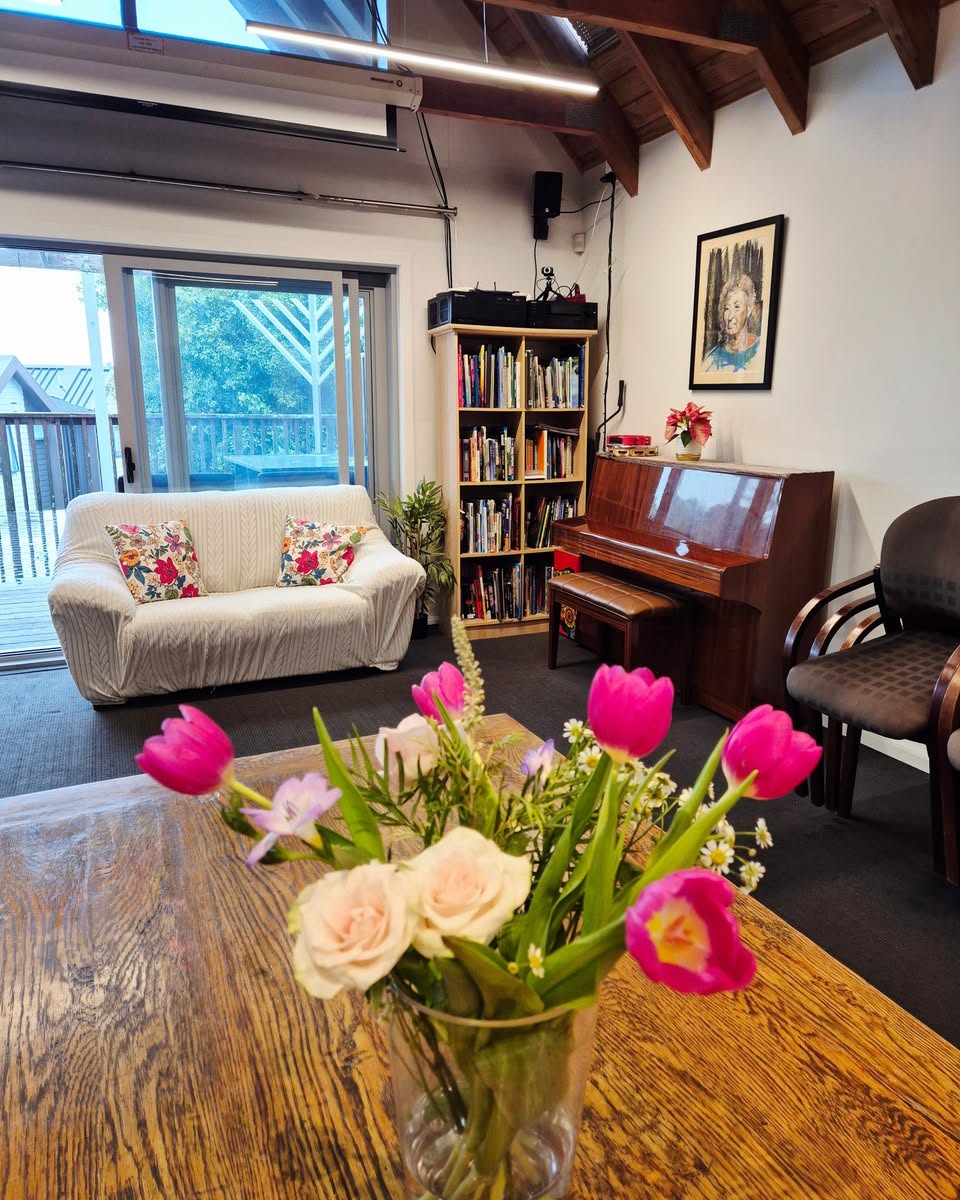
The library room at 788 with a sofa, piano, bookshelves, flowers and a framed portrait of Raye Freedman
Her portrait still hangs in the room she paid for.
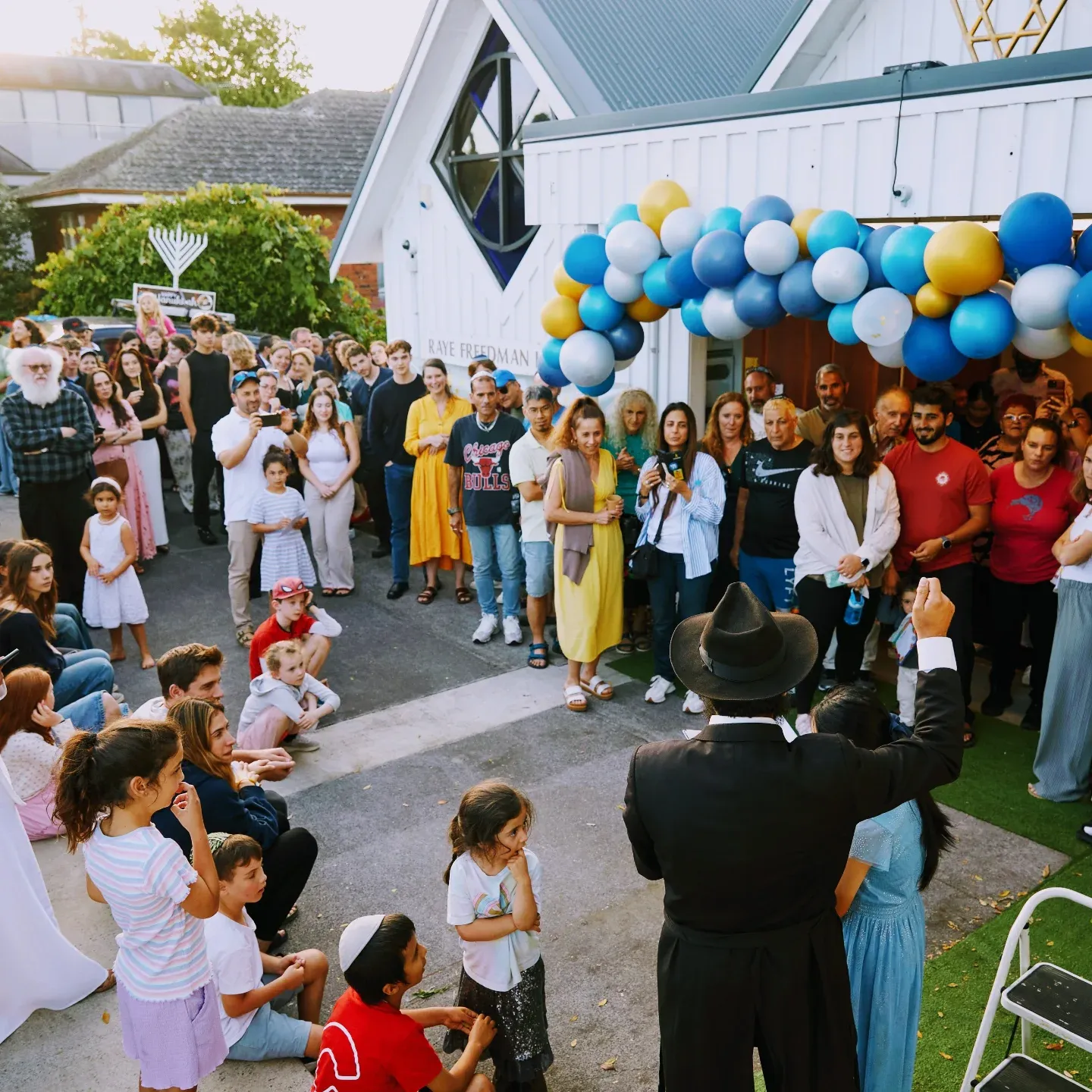
A crowd gathered outside the Raye Freedman Library building at 788 Remuera Road
788 Remuera Road, the whole community outside.
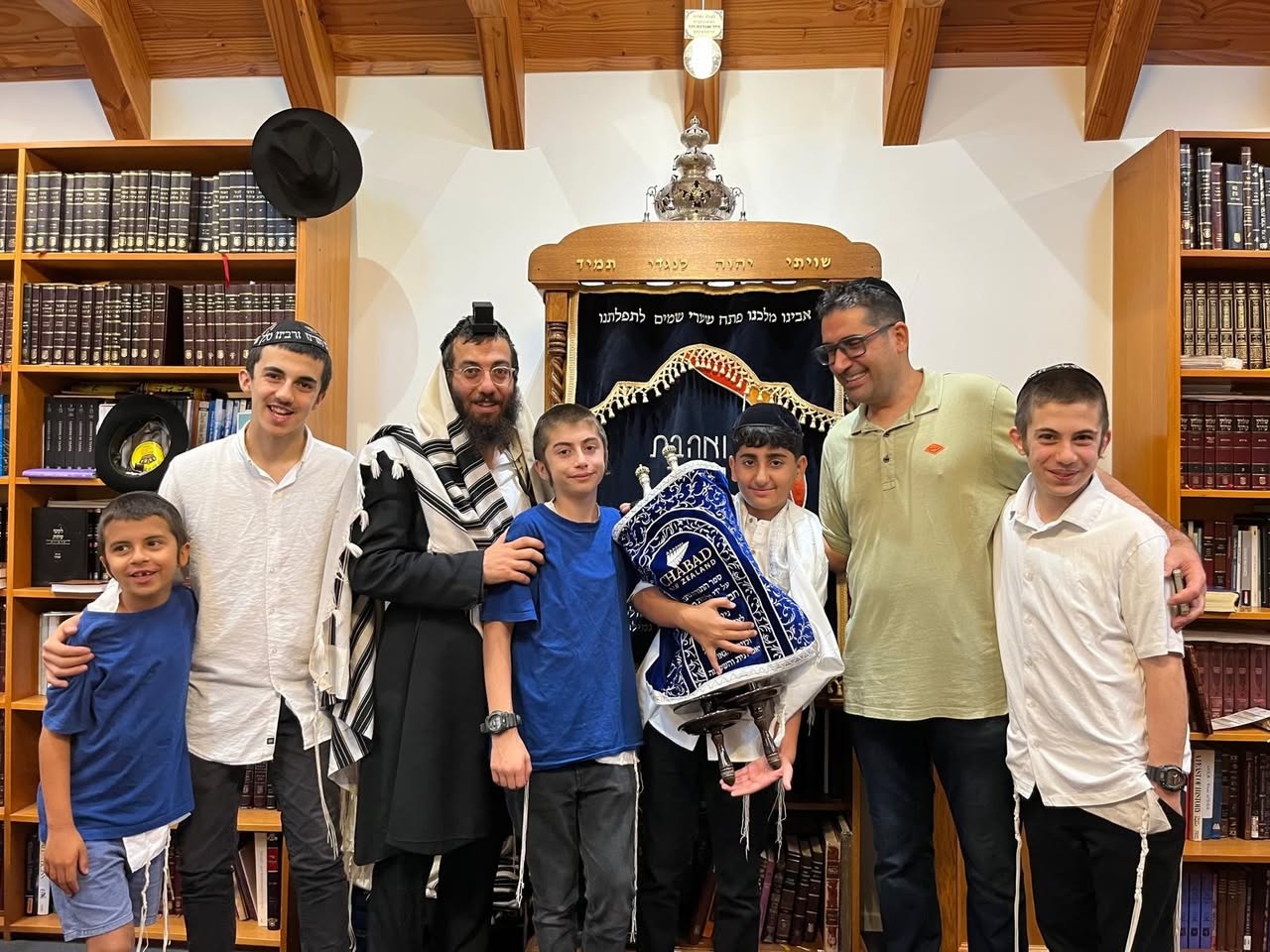
Boys and adults standing with a Torah scroll in front of the ark, surrounded by bookshelves
Inside: bookshelves, a small ark, a Torah.

What she left behind

Raye had no children of her own. Historical accounts say she sometimes worried that her name might one day be forgotten. It is on a library, an arts centre and a trust — and, more to the point, it is on rooms that are still in use.

Her generation of Jewish New Zealanders — immigrants, refugees, people who arrived with very little and stayed — built institutions rather than monuments. That is the larger story this page belongs to.

Legacy does not always travel through descendants.

Nothing on this page is invented. No quotations, dialogue, photographs, amounts or relationships have been reconstructed.