c.1830 → today
Jewish
New Zealand
A small community.
A long way from almost everywhere.
Nearly two centuries of making a place for Jewish life.
The opening
Jewish life in New Zealand is almost as old as organised European settlement itself. Jewish traders were active here around 1830 — before the Treaty, before Auckland, before almost any of the institutions a modern New Zealander would recognise.
Some came looking for opportunity. Some came following gold. Some came escaping persecution. Some came as refugees. Some came because family was already here. Some arrived from Britain; others from Germany, Poland and Russia. Later came refugees from Nazism, survivors and displaced Europeans, Hungarians, South Africans, Israelis, and Jews from the former Soviet Union.
Their numbers were never large. Their influence was often surprisingly large.
But the most interesting story is not simply what individual Jews achieved. It is how a tiny community created enough infrastructure to remain Jewish at an extraordinary geographic distance from the traditional centres of Jewish life. A shop loft. A prayer room. A burial ground. A synagogue. A school. A butcher. A mikvah. A community centre. A library.
That story begins almost two centuries ago, and it has not finished.
Chapter One
c.1829–1840
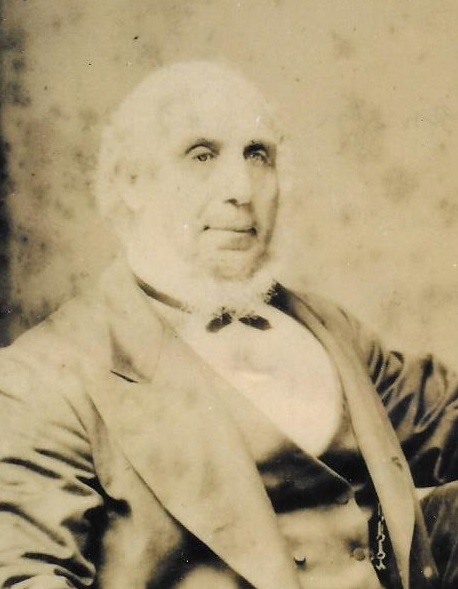
Before there was a synagogue, there were traders.
The first Jewish presence in New Zealand was commercial, maritime and unsettled — men moving between Sydney, the Bay of Islands and London, with ledgers rather than institutions.
A Sydney firm associated with Cooper and Levy had commercial activity connected with New Zealand by 1829. From around 1830, Jewish traders from England were active in the north — provisioning ships, buying flax and timber, selling to whalers and to Māori communities who were themselves long practised in trade.
Among the earliest documented Jewish traders and settlers are Joseph Barrow Montefiore, whose commercial interests reached across the Tasman, and Joel Samuel Polack, who lived at Kororāreka during the 1830s and later published accounts of New Zealand that are still read as source material. David Nathan, who would shape Jewish Auckland for half a century, belongs to the same maritime generation.
None of them arrived to found a community. They arrived to work. The community came afterwards, and largely because they stayed.
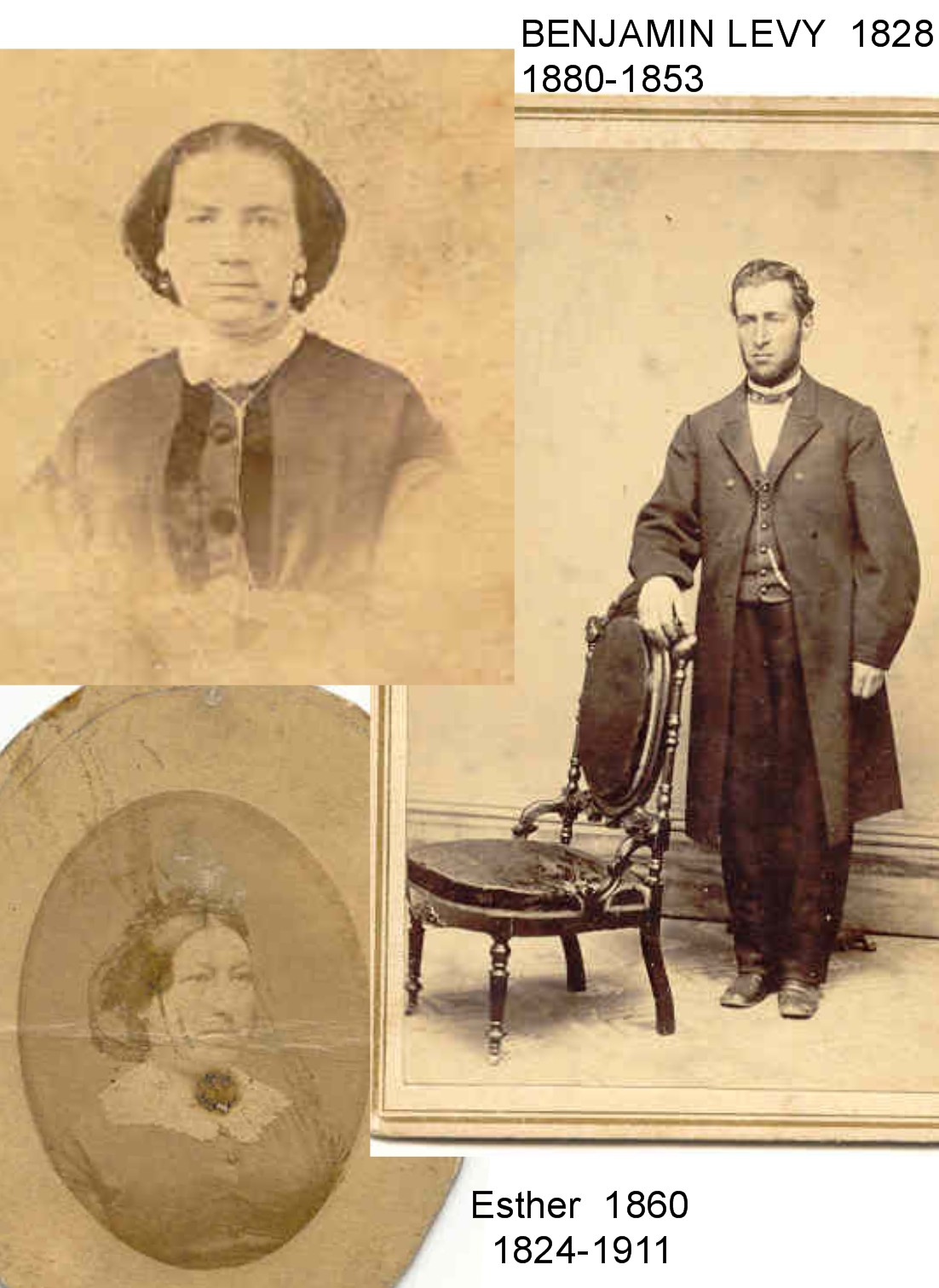
On the sourcesHistorical sources use slightly different formulations about who was 'first'. This archive says 'among the earliest documented Jewish traders and settlers' and leaves the question open.
Chapter Two
1839–1842
How do you have a Jewish wedding when there is no rabbi?
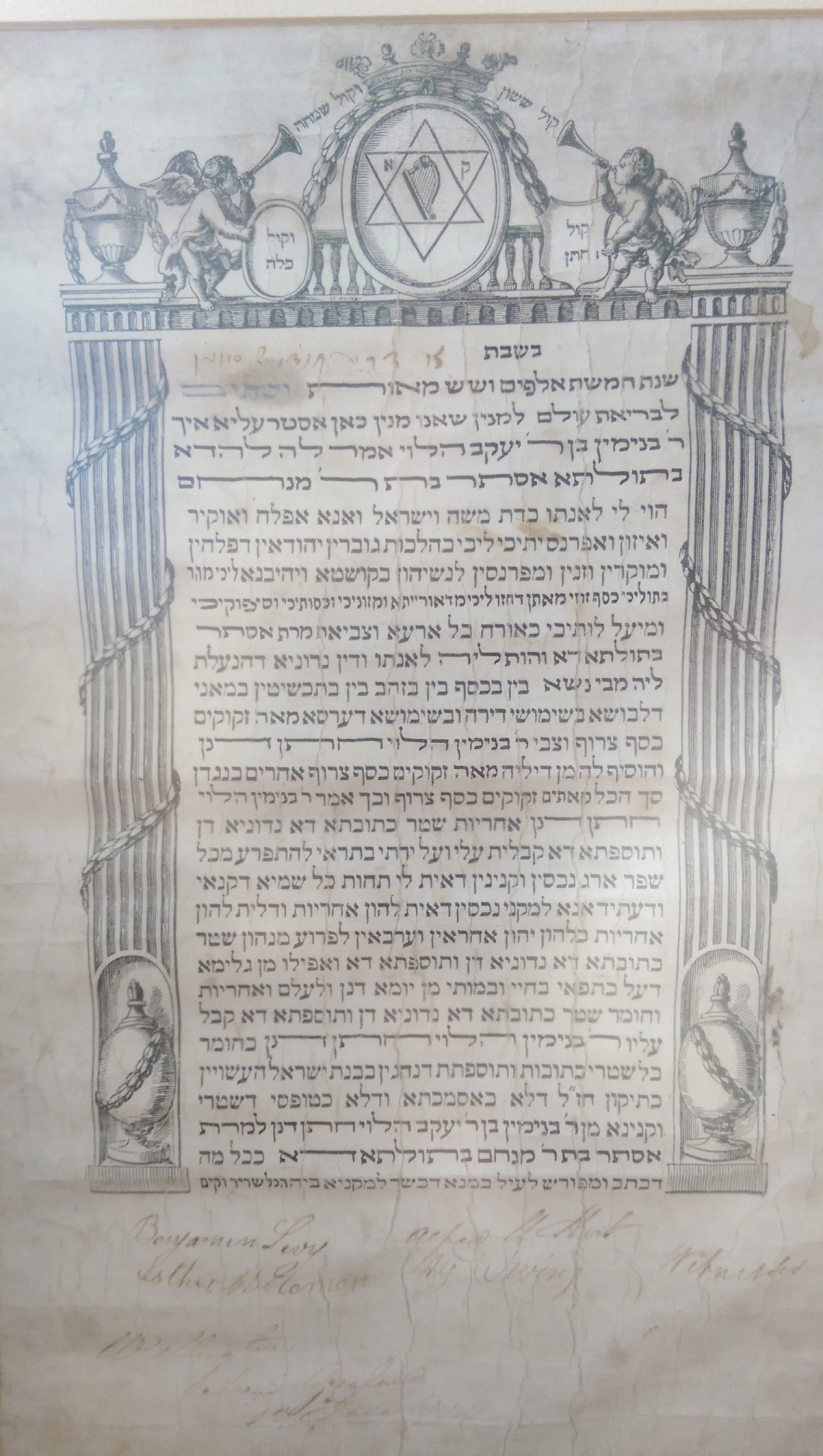
The marriage of David Nathan and Rosetta Aarons, in the Bay of Islands, is recorded as the first Jewish wedding in New Zealand.
There was no established synagogue. No resident rabbi. Almost no Jewish infrastructure of any kind. Israel Joseph acted as celebrant. A ketubah had to be produced without the normal communal resources — no scribe down the road, no beth din to ask.
It is a small event and an enormous one. Two people decided that being married Jewishly mattered enough to improvise it at the far edge of the world, and then wrote it down so that it counted.
Almost everything that follows in this archive is a variation on that decision.
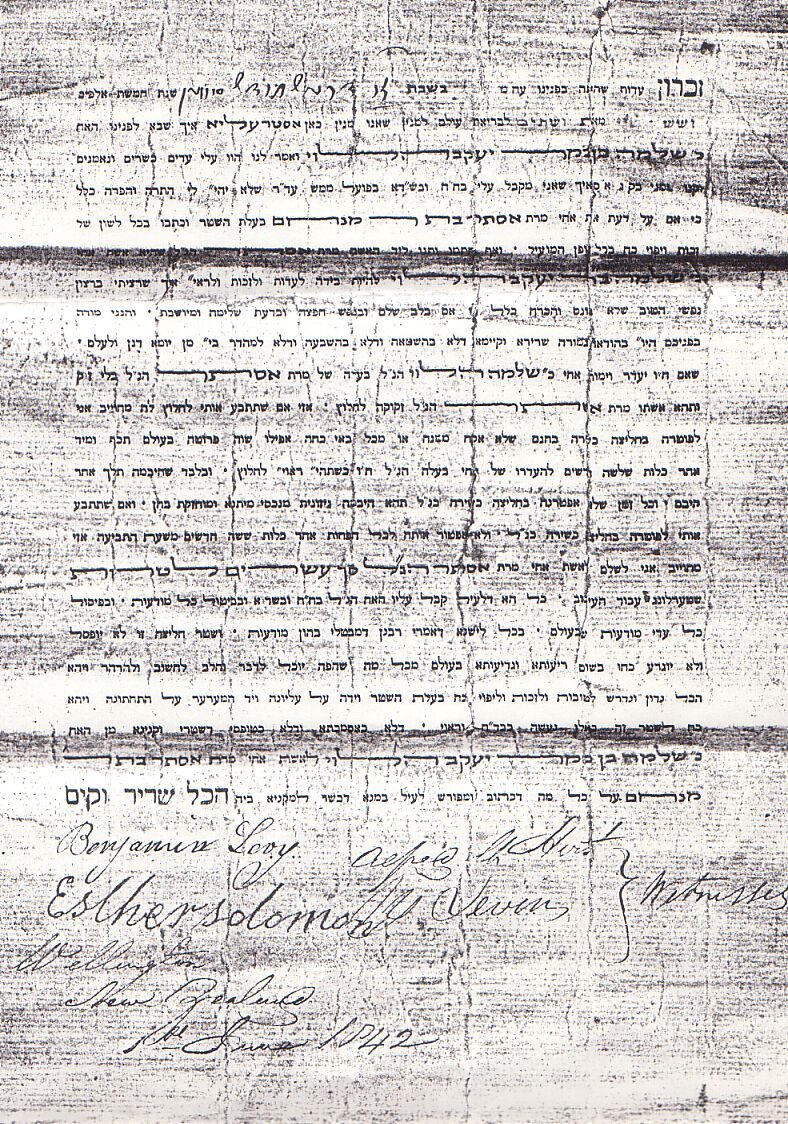
Jewish practice had to be recreated, from memory and letters, at enormous distance.
- The first Jewish wedding — research pending
- David Nathan
- Rosetta Nathan
Chapter Three
1841–1860s
The first synagogue was a loft.
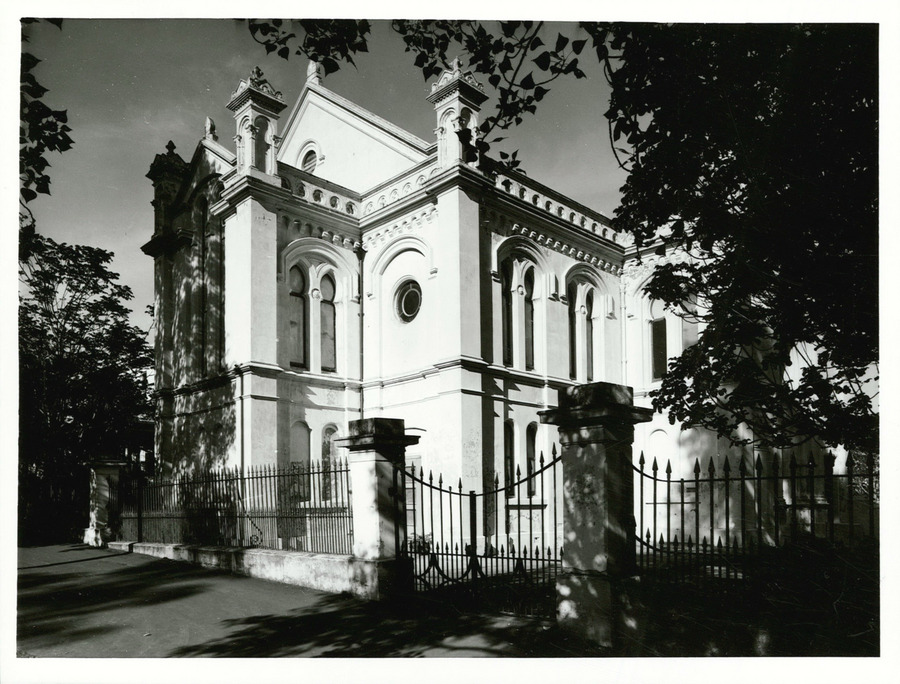
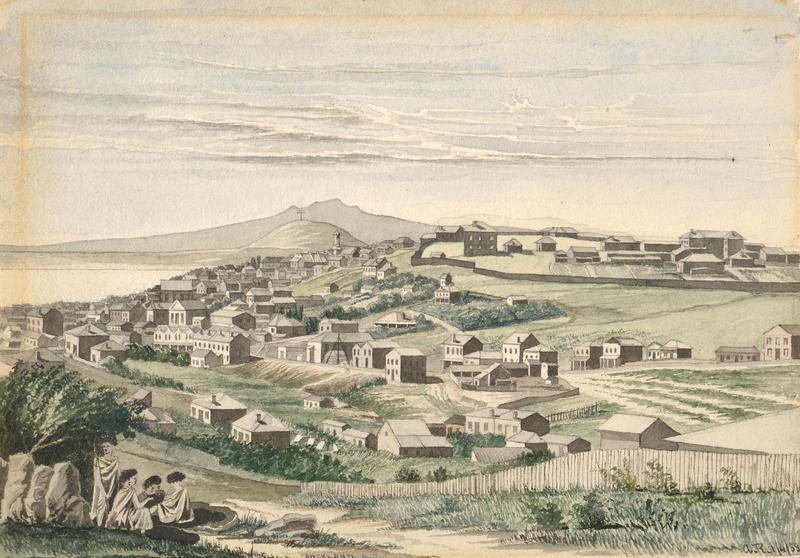
Jewish Auckland did not begin with a building. It began with a room above a shop in Shortland Street.
The 1841 Auckland census recorded David Nathan as one of only two Jews in the town. In 1842 the arrival of the Keesing family increased that number, and prayer began to be held in the loft above Nathan's Shortland Street business premises.
An often-repeated early community account records the community managing to assemble only nine Jewish men for a service — until a Jewish stranger appeared in town and made the tenth. Minyan.
Whether or not the story survives forensic scrutiny, it is told because it is true to the experience: for decades, Jewish Auckland lived within one or two people of not being able to pray together at all.
What a community actually needs
- 01Prayer
- 02Burial
- 03Education
- 04Kashrut
- 05Marriage
- 06Brit milah
- 07Mikvah
On the sourcesThe 'ninth and tenth man' anecdote is presented as an often-repeated early community account, not as independently proven.
- Jewish Auckland — research pending
Chapter Four
1842 →
Before they built a synagogue, they needed somewhere to bury their dead.
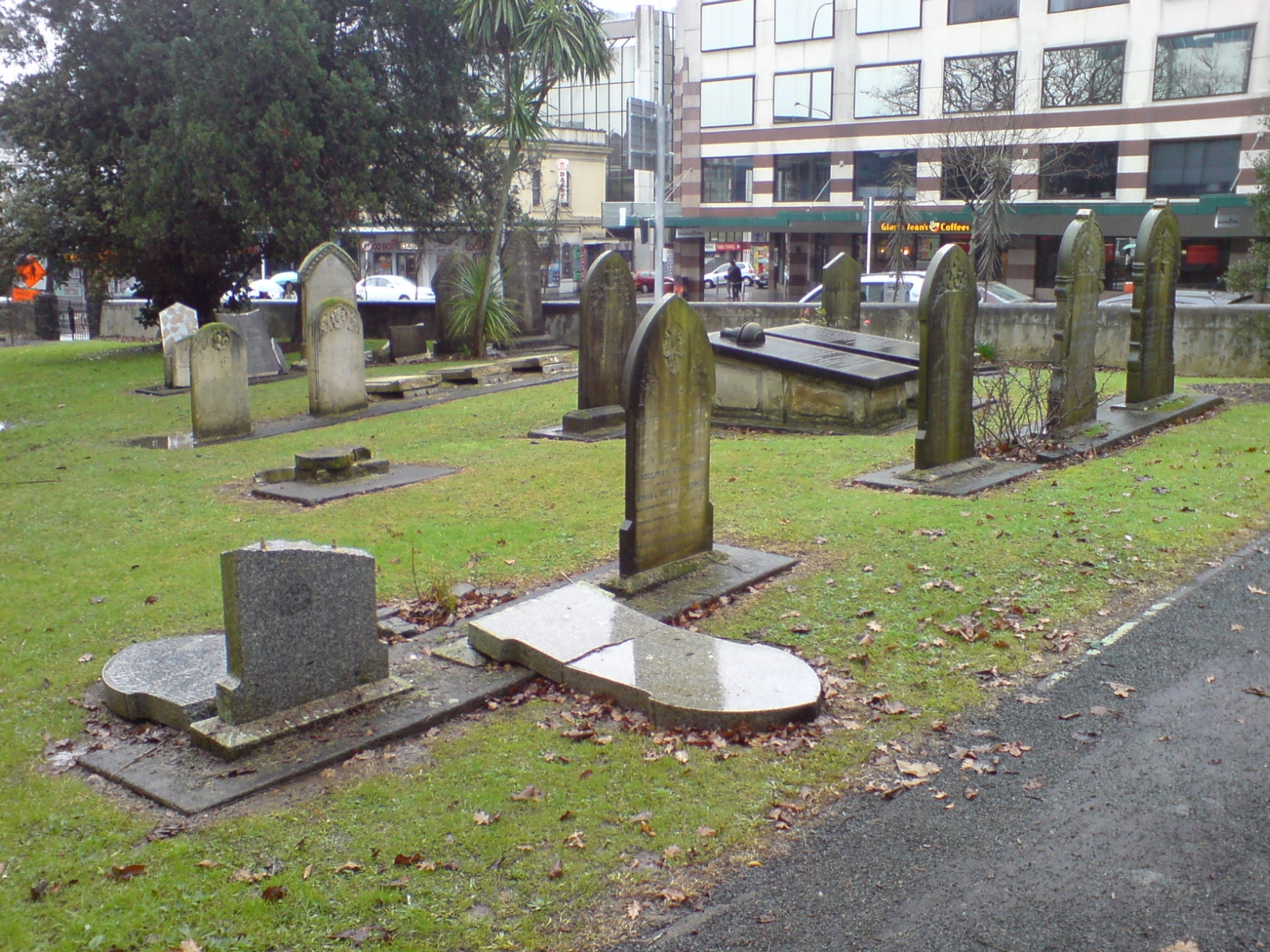
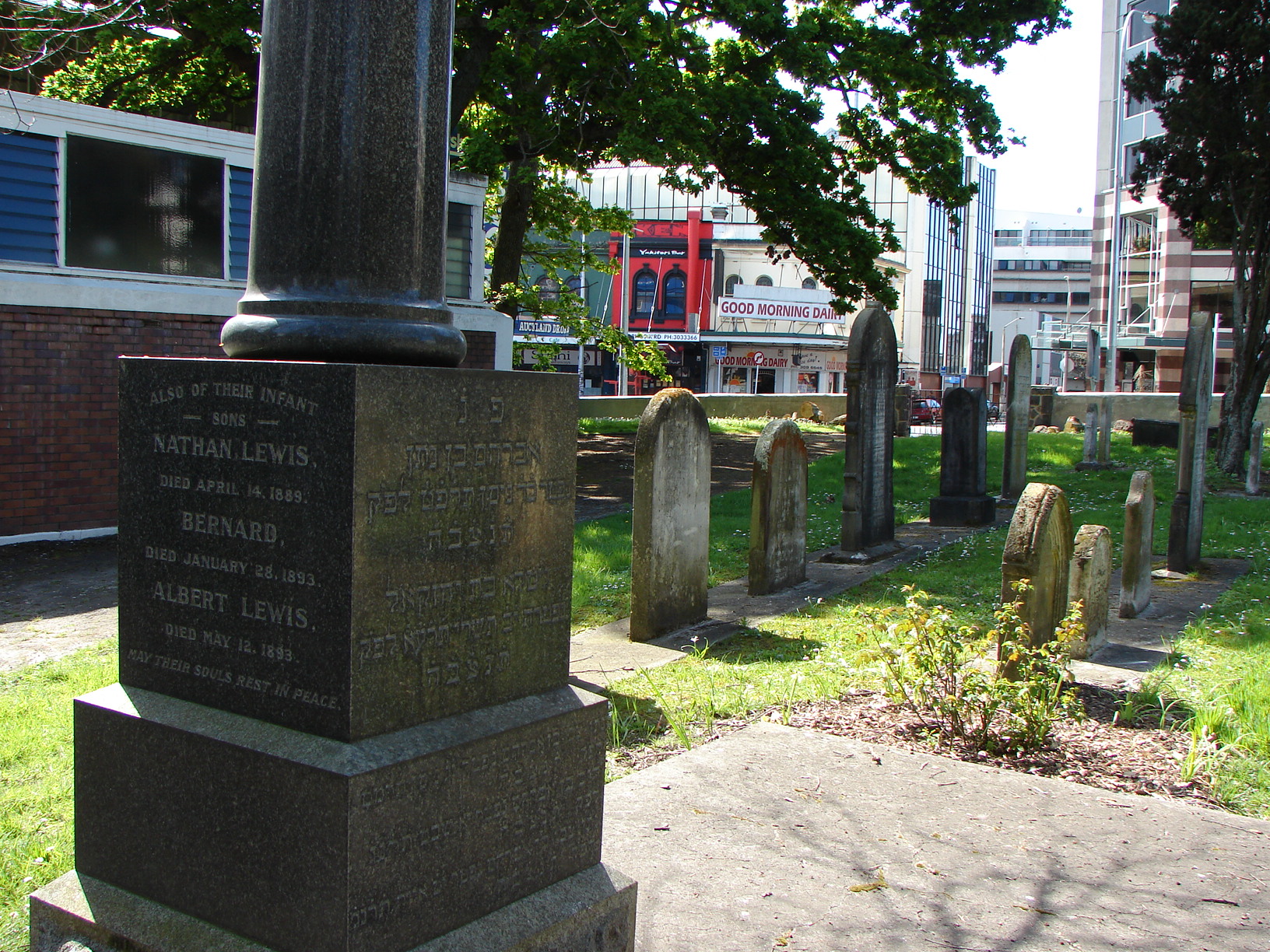
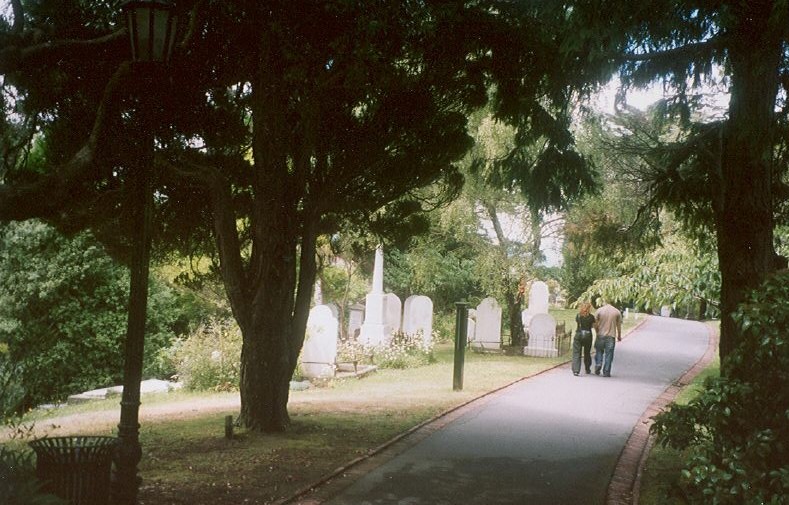
Auckland's Jewish community received land in Symonds Street Cemetery in 1842 — a consecrated Jewish burial ground before there was a consecrated Jewish building to pray in. In Jewish law that order makes sense. Burial cannot wait; it cannot be improvised; and it cannot be done anywhere.
The first recorded Jewish burial there took place in 1844: Catherine Nathan, the infant daughter of David and Rosetta Nathan. She is the reason the ground was needed, and she is buried in it.
A mortuary chapel later stood in the Jewish section. A formal Chevra Kadisha — the burial society that washes, guards and accompanies the dead — was established in Auckland in 1906, more than sixty years after the first grave.
Chapter Five
1840s–1860s
What do you do when the nearest mohel is across the Tasman?
Historical accounts describe Rosetta Nathan travelling to Sydney with her sons because no one in Auckland could perform a brit milah. An early member of the Keesing family made a similar crossing for a Bar Mitzvah. The first recorded circumcision in Auckland is associated with Henry Albert Keesing in 1856.
Today that trip is three hours and a cup of tea. In the 1850s it was a sea voyage of weeks, undertaken with an infant, at real risk, because the alternative was a Jewish child who was not entered into the covenant.
Distance was not an abstraction here. It reached into the most intimate parts of family life.
The crossing
- 01Auckland
- 02The Tasman
- 03Sydney
- 04And back
Chapter Six
1841 →
What did a Jew eat in Auckland in 1841?
Historical accounts say David Nathan avoided non-kosher meat in the early years, living on fish and vegetarian food until kosher slaughter became possible. That is a long time to keep a standard nobody around you is watching.
The arrival of Reverend Moses Elkin in 1864 brought someone able to undertake kosher slaughter. In 1873 R. Hellaby was approved as a seller of kosher meat to the congregation — the moment kashrut in Auckland stopped being a private discipline and became a supply chain.
The thread runs unbroken from there to the kosher supply that Jewish New Zealand relies on today, some of it coordinated from 788 Remuera Road.
Kosher New Zealand
- 011840s — fish and vegetables
- 021864 — a shochet arrives
- 031873 — an approved butcher
- 0420th century — communal supply
- 05Today — 788 Remuera Road
Chapter Seven
1840s →
Another community takes root.
Jews were among Wellington's earliest settlers. Abraham Hort arrived from London aboard the Prince of Wales, and on 7 January 1843 — only days after landing — convened what authoritative historical sources describe as Wellington's first organised Jewish prayer service.
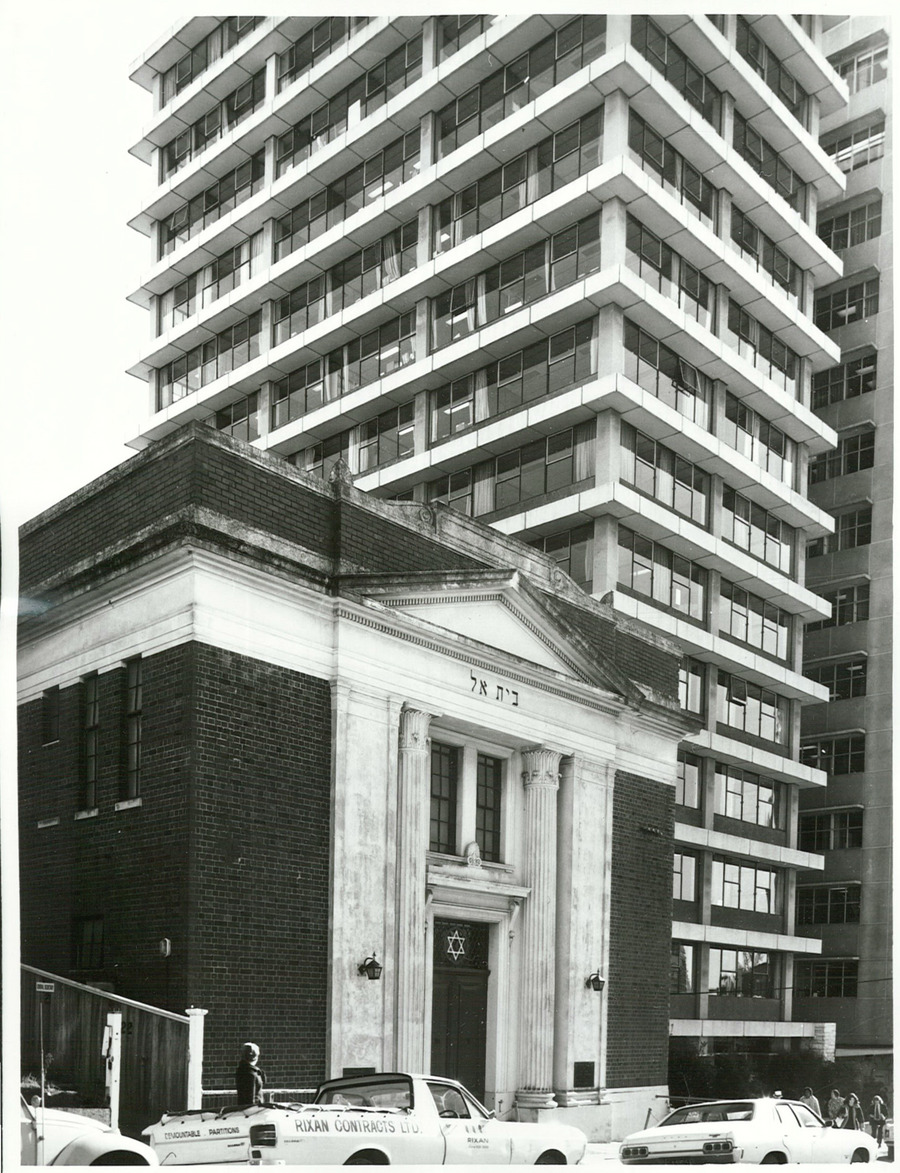
By 1848 New Zealand had only about 61 Jews recorded, and roughly half of them were in Wellington. Beth El, on The Terrace, opened in 1870 as Wellington's first purpose-built synagogue.
Two communities, two islands' worth of distance apart, both improvising the same institutions at almost the same time, largely without coordination.
On the sourcesAuckland has earlier claims depending on how 'first service' is defined. The Hort service is described here specifically as Wellington's first organised Jewish prayer service.
- Abraham Hort
- Jewish Wellington — research pending
Chapter Eight
1860s
Then they found gold.
The rushes of the 1860s did more to change Jewish New Zealand than any decision made by the community itself.
Several hundred English, German and Polish Jews were among those drawn to the New Zealand goldfields in the 1860s, many of them arriving via the Australian fields. Most did not dig. They sold, lent, shipped, tailored, assayed and provisioned — the trades that follow gold and usually outlast it.
Almost overnight there were Jews in Hokitika, in Dunedin, in Christchurch and across Otago and the West Coast, in numbers large enough to need a congregation.
The route
- 01Europe and Britain
- 02The Australian fields
- 03New Zealand goldfields
- 04Hokitika · Dunedin · Christchurch
Chapter Nine
1860s →
A synagogue is a statement.
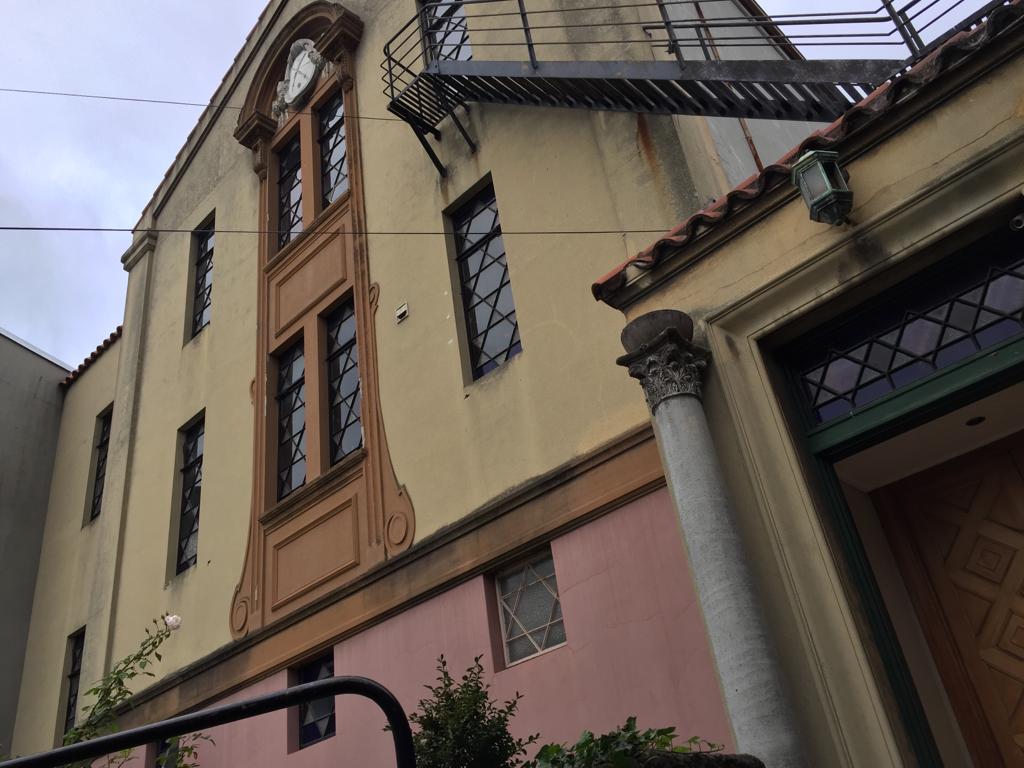
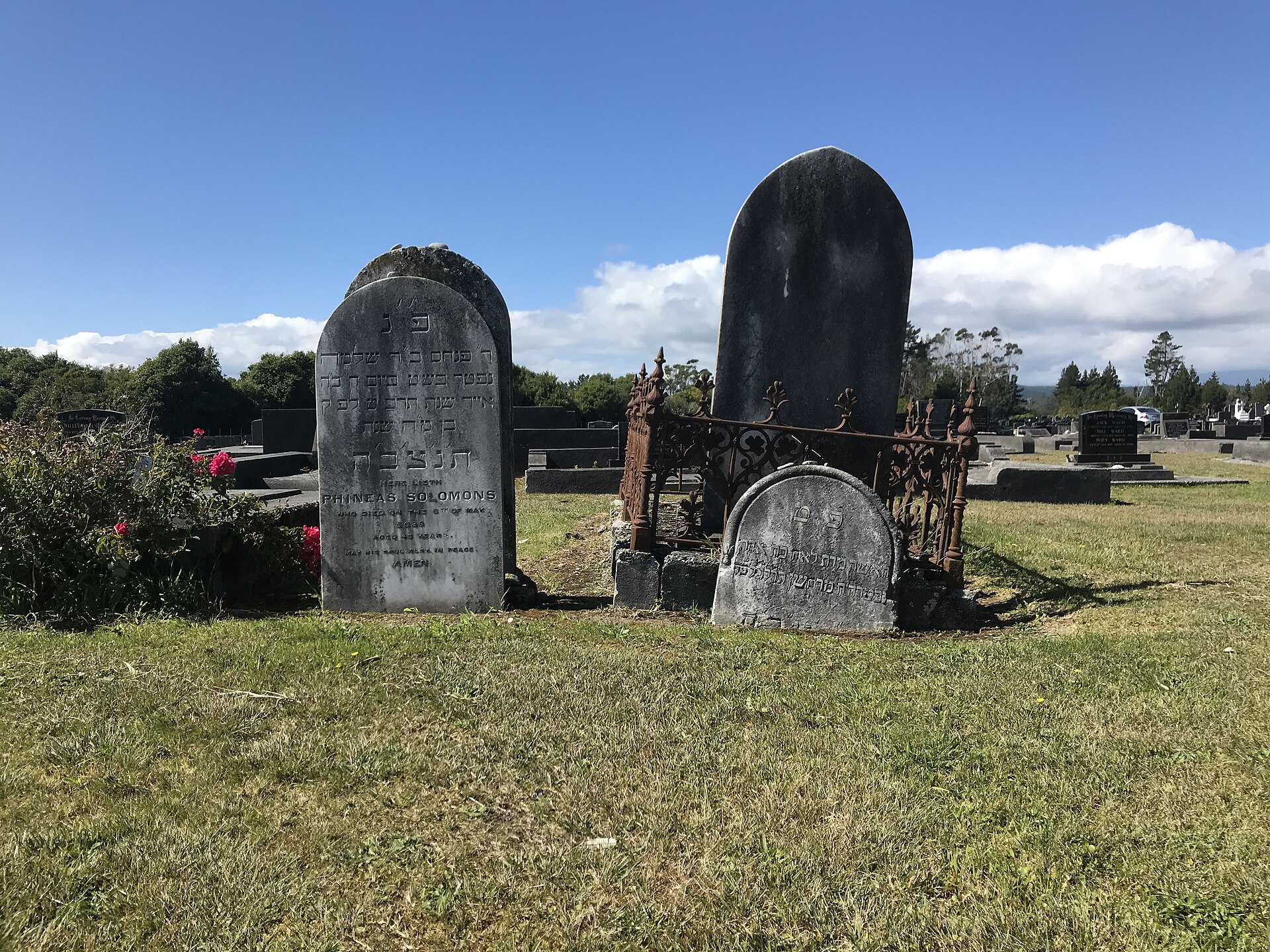
Authoritative New Zealand history records synagogues established in Hokitika, Dunedin and Christchurch during the 1860s, with congregational activity also recorded in Nelson and Timaru. These were not grand buildings, and the communities were tiny and extraordinarily far from any Jewish centre.
That is exactly what makes them a statement. To build a synagogue is to say: we are not passing through. We intend to stay, and to stay Jewish, here.
Some of those communities survived. Some did not. Hokitika's congregation faded as the gold did; other small congregations dissolved into larger cities or simply into the general population. Jewish infrastructure can disappear — quietly, without scandal, because the people who maintained it moved or aged or stopped coming.
That fact is allowed to stand here without a moral attached. It is, however, the reason this archive exists.
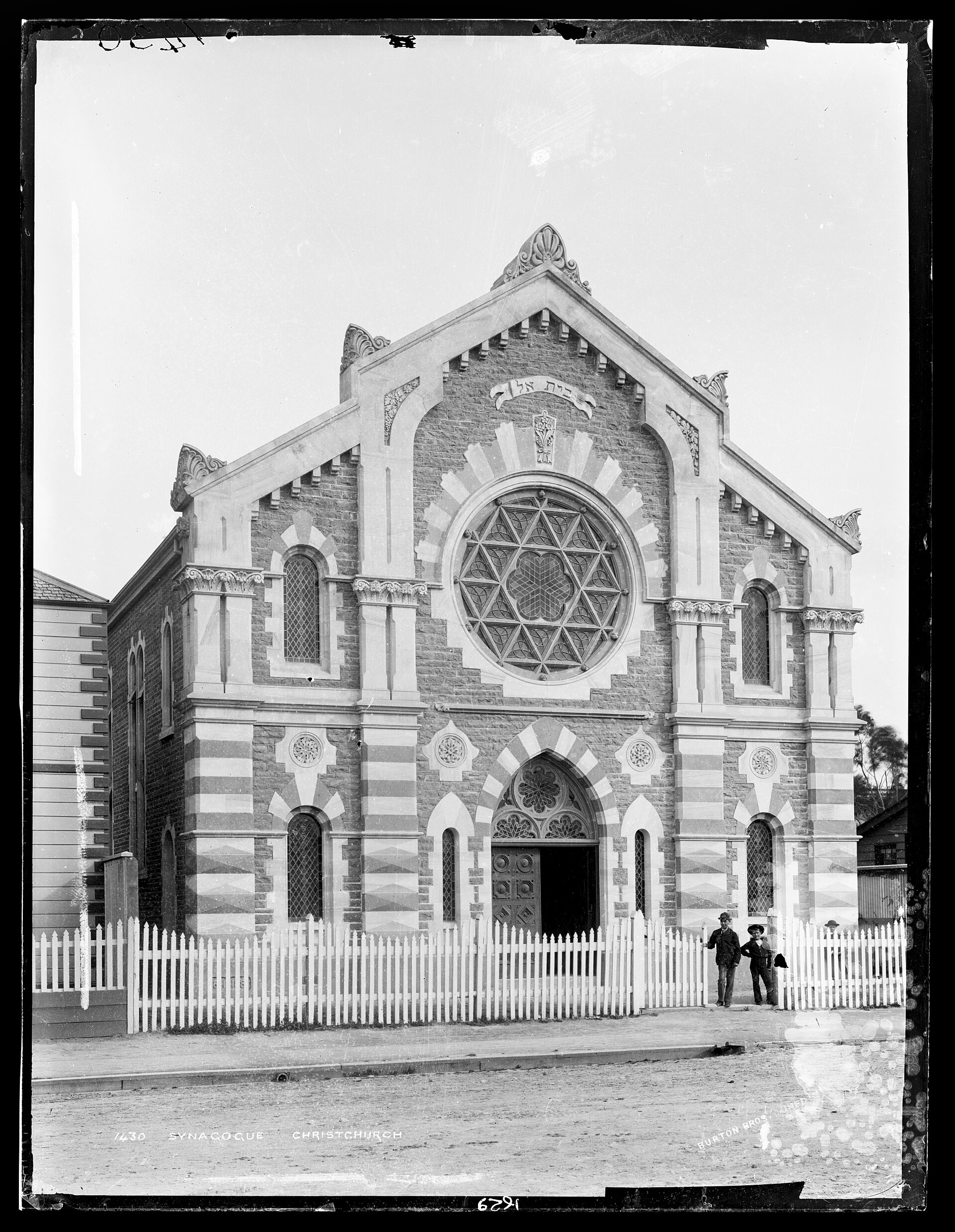
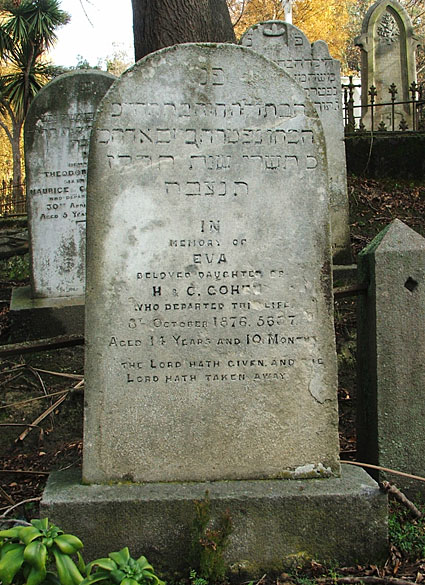
Some communities survived. Some didn't.
- Hokitika — research pending
- Dunedin — research pending
- Christchurch — research pending
- Synagogues
Chapter Ten
1860s–1900s
People who helped build a country.
Jewish merchants became prominent in New Zealand commerce far out of proportion to their numbers, and Jewish citizens served as mayors, councillors and members of Parliament, as well as founding businesses, practising law and medicine, and endowing institutions.
The names below are starting points for research, not a hall of fame. Each will become a person page with sources attached; several will turn out to be less interesting than their wives, partners and employees, and this archive intends to follow that wherever it leads.
Names for the record
- 01Julius Vogel
- 02David Nathan
- 03Bendix Hallenstein
- 04Samuel Shrimski
- 05Charles Louisson
- 06The Theomin family
- 07The Fels family
- 08The De Beer family
- 09The Brasch family
Chapter Eleven
1870s
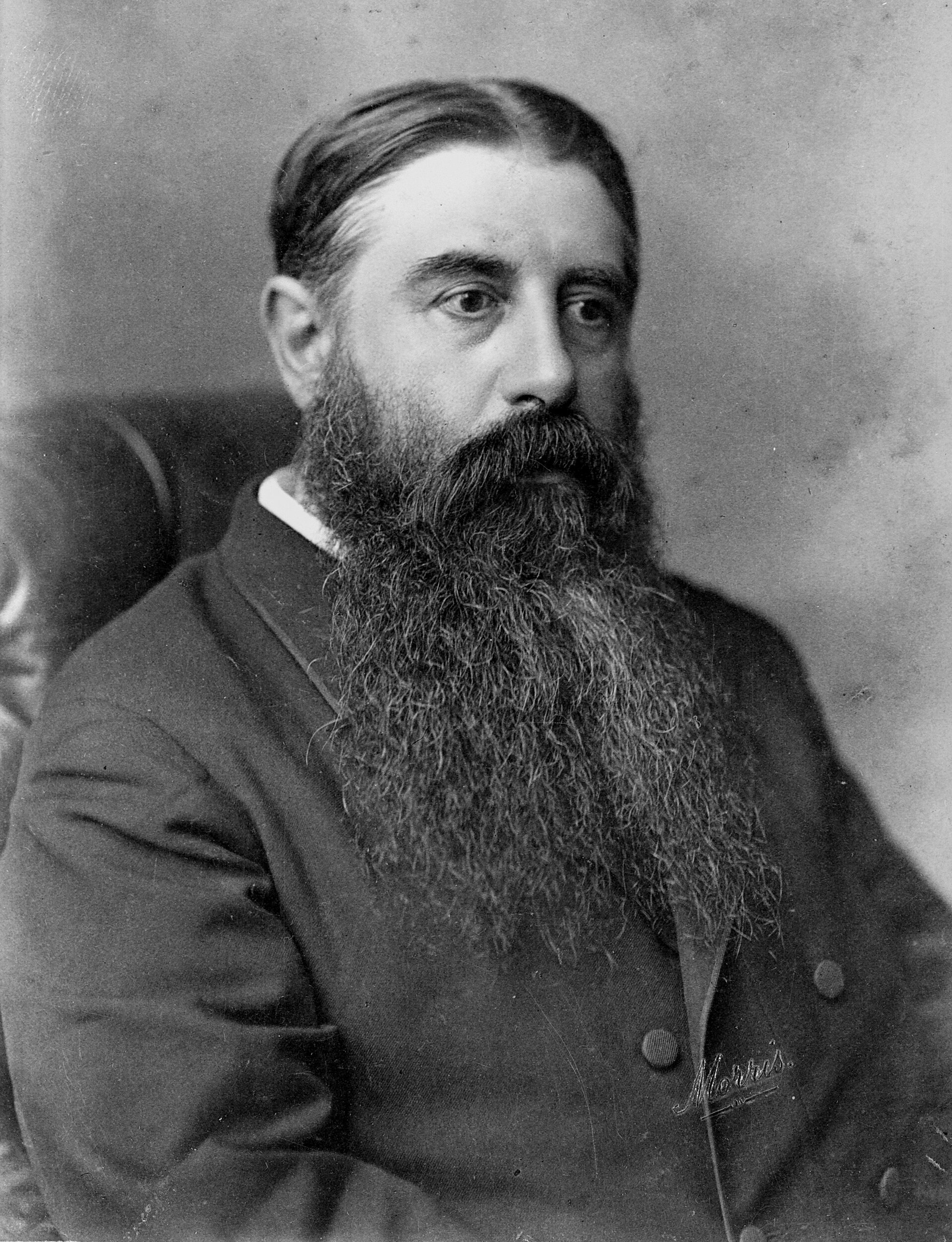
Julius Vogel.
A Jewish immigrant who served two periods as Premier of New Zealand in the 1870s.
The temptation is to treat this as a boast. It is more interesting as a question: how did a Jewish immigrant become head of government in a remote British colony in the nineteenth century, at a time when Jewish emancipation in Britain itself was recent and incomplete?
The answer involves the goldfields, journalism, an appetite for borrowing money on a scale that alarmed his contemporaries, and a colonial society still loose enough in its hierarchies that an outsider could move through it quickly. It also involves the fact that Vogel's Jewishness was noticed, commented on, and used against him.
Chapter Twelve
1884–1885
The loft became a landmark.
Auckland's Jewish community spent forty years moving from a room to a building. The sequence is worth reading slowly, because it is the whole thesis of this archive in one town.
On 18 December 1884 David Nathan — the same man who had prayed in his own loft in the 1840s — laid the foundation stone. On 9 November 1885 the Princes Street Synagogue was consecrated by Rabbi Samuel Goldstein, with a documented capacity of 225 men and 150 women.
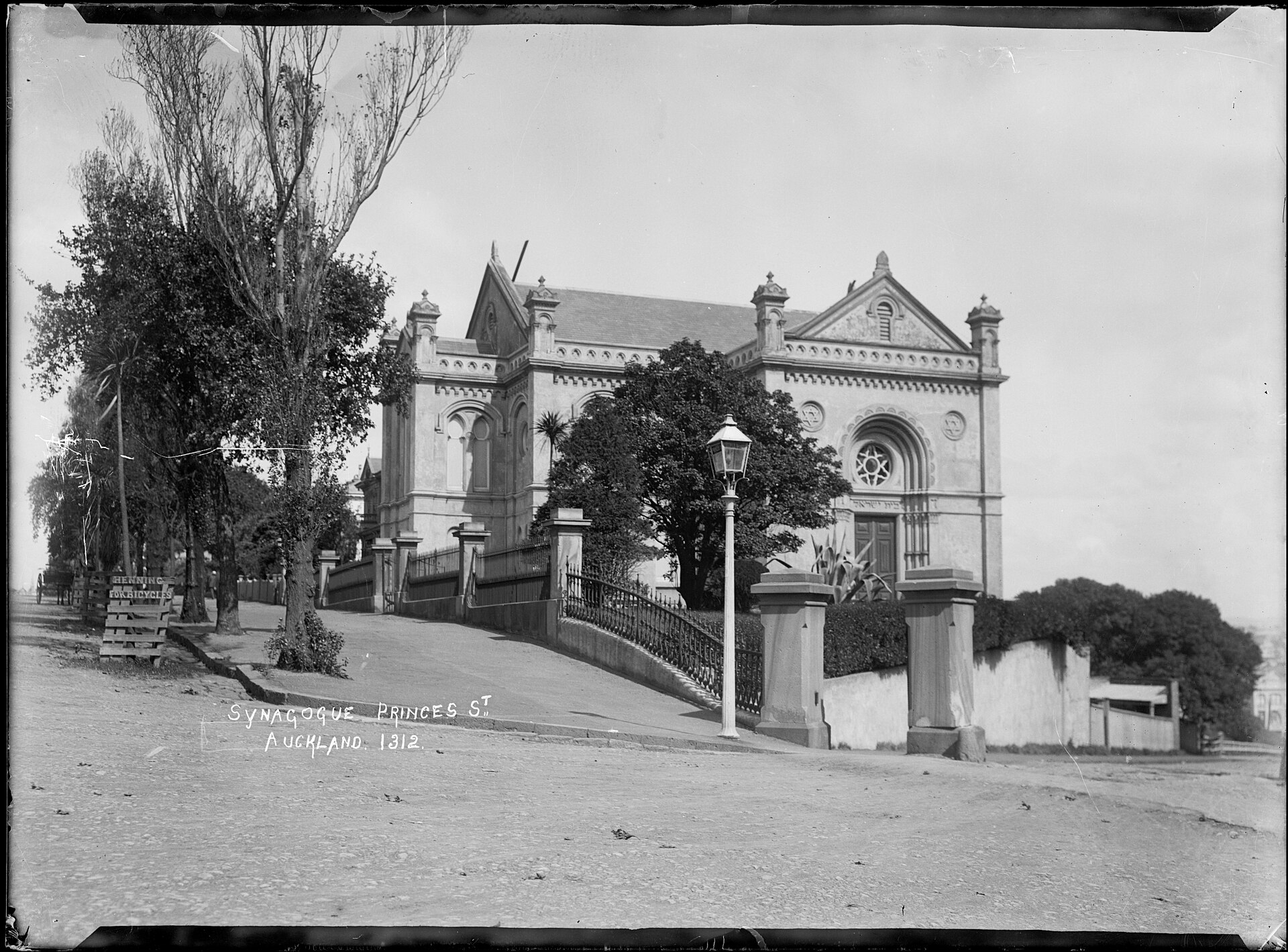
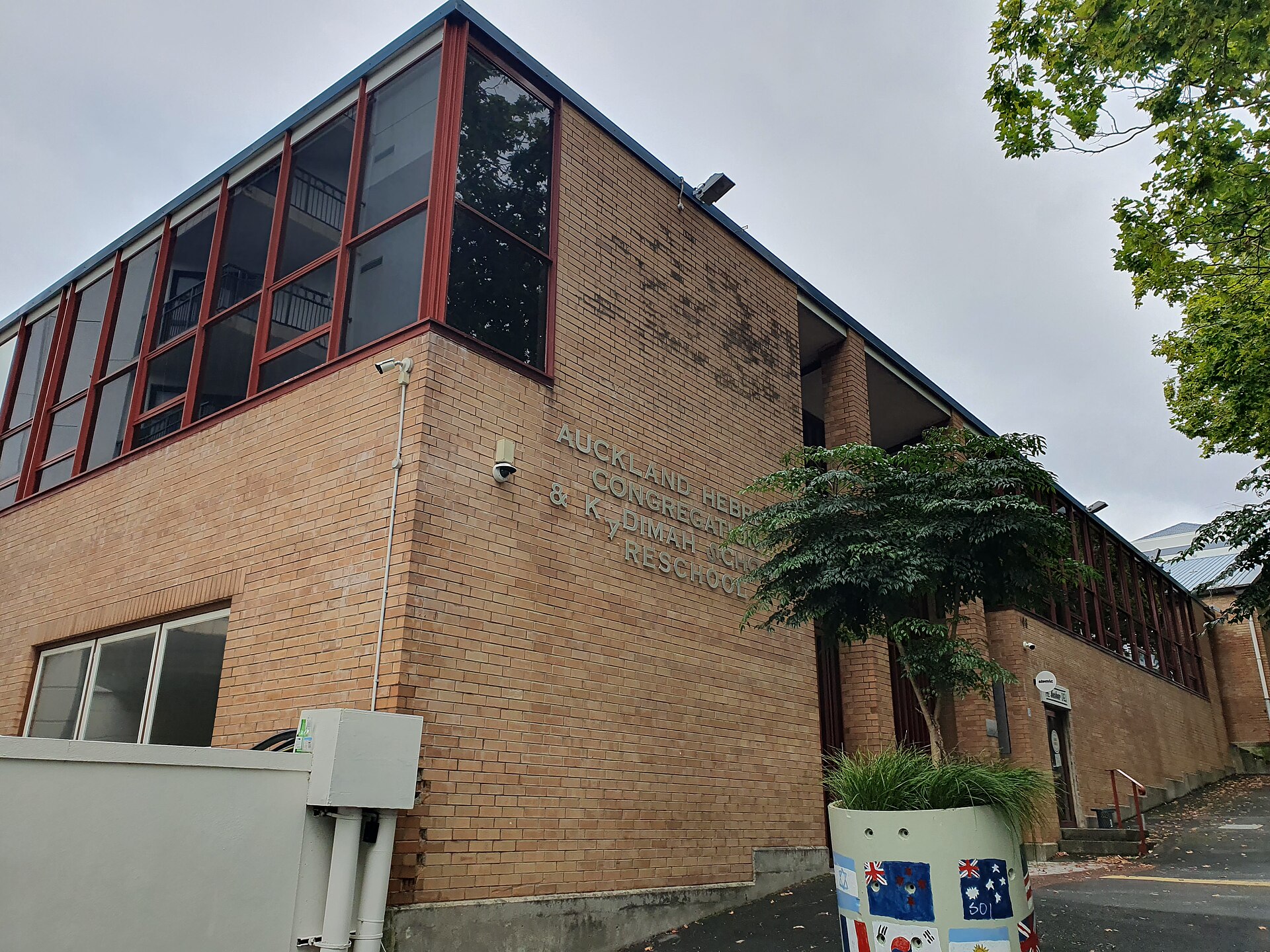
Forty years
- 01early 1840s — prayer in David Nathan's premises
- 021855 — a leased building at Emily Place
- 031862 — the community buys the building
- 041871 — 309 Jews recorded in Auckland
- 0518 December 1884 — foundation stone laid
- 069 November 1885 — Princes Street Synagogue consecrated
A community creates space before space creates community.
Chapter Thirteen
1865 →
Teaching a child to be Jewish, 18,000 kilometres from anywhere.
The Auckland Hebrew School opened in 1865 at Emily Place; records describe 53 children. Education moved with the congregation thereafter, as it usually does — a school is easier to relocate than a cemetery.
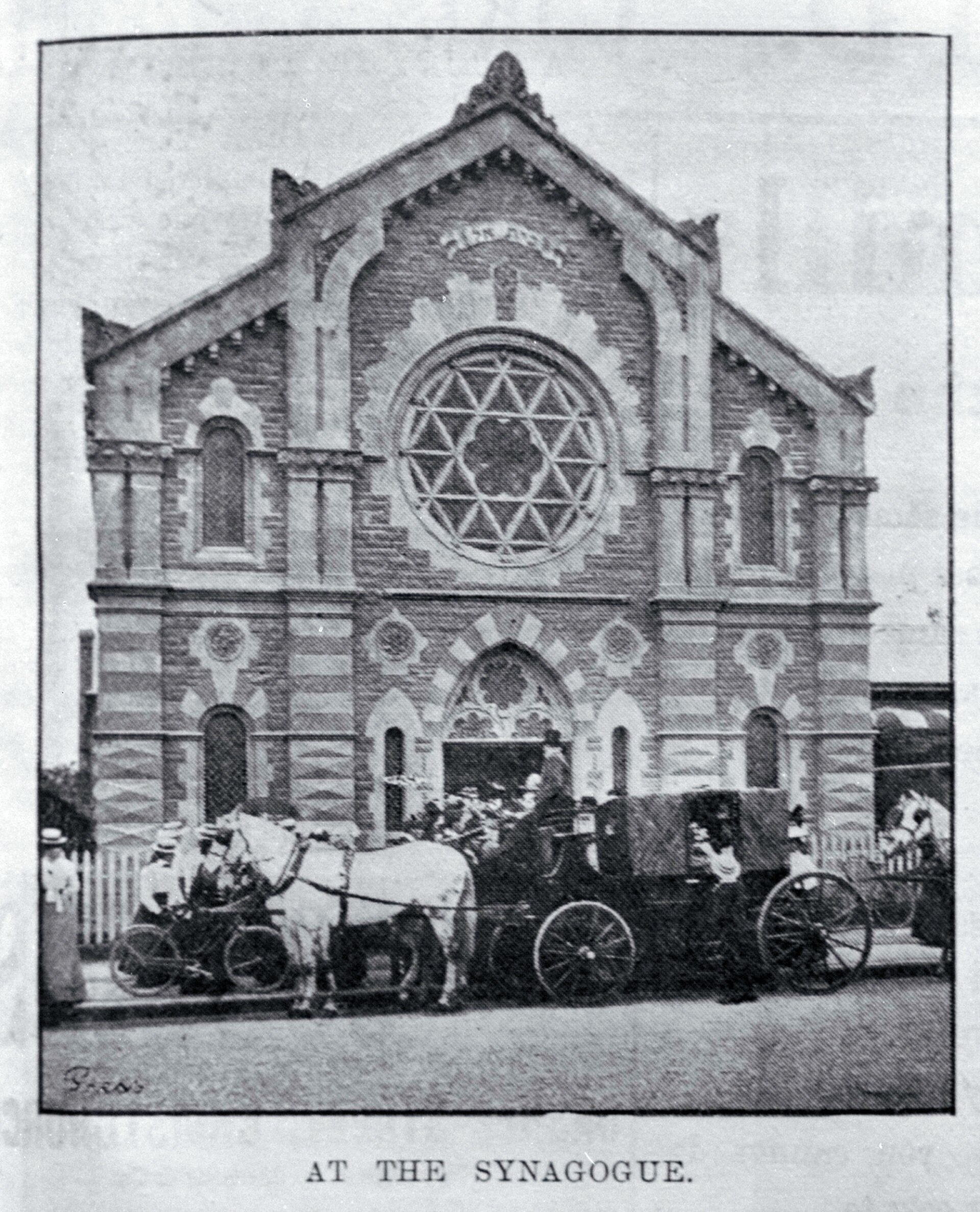
Te Ara records Jewish day schools established later in the twentieth century: Kadimah in Auckland in 1971 and Moriah in Wellington in 1986. Between those dates lies a century of after-school classes, volunteer teachers, correspondence lessons and parents doing it themselves.
A dedicated education timeline will be built here as the research is completed.
The thread
- 011865 — Hebrew School, Emily Place
- 02Community classes
- 031971 — Kadimah, Auckland
- 041986 — Moriah, Wellington
- 05Today
Chapter Fourteen
1929 →
The women who built community.
Jewish New Zealand has too often been written as a history of rabbis and businessmen. Almost none of it would have functioned without the women.
The Council and Union of Jewish Women tradition in New Zealand dates to 1929. Its recorded work included social welfare, clothing and food assistance, visiting the sick, support for refugees, support for mothers during wartime, Jewish education, Israel-related activity, and women's representation in communal leadership.
That list reads like administration. It was in fact the load-bearing structure: the meals, the visits, the fundraising, the classrooms, the paperwork that got a refugee family housed. Benevolent societies, sisterhoods and women's organisations kept small communities alive between rabbis.
Individual lives — including the women who cooked for strangers, taught other people's children, and quietly funded institutions — are the priority for the next stage of research here.
On the sourcesRaye Freedman belongs in this history, but her story is not a stand-in for Jewish women in New Zealand. It lives in its own collection.
Chapter Fifteen
1881–1930s
The reasons for coming changed.
Early Jewish immigration to New Zealand was overwhelmingly British and Australian in route, and largely economic in motive. From the late nineteenth century that changed: Jews fleeing persecution in the Russian Empire and Eastern Europe — pogrom violence, Tsarist legal disability, conscription, poverty — began arriving too.
They came along family chains rather than programmes: a brother already in Wellington, a cousin with a shop in Auckland, a name on a piece of paper. Motive was rarely single, and this archive will not assign one to anybody without a source in their own words.
Chapter Sixteen
1897 →
New Zealand was distant. Jewish concerns were global.
From around the emergence of the modern Zionist movement, New Zealand's Jewish communities engaged with it strongly: fundraising, Jewish National Fund activity, support for Jewish communities overseas, youth movements, education, and eventually aliyah. Later youth organisations included Habonim and Bnei Akiva.
A community of a few thousand people at the bottom of the Pacific followed European and Middle Eastern Jewish politics closely, and gave money it did not obviously have. This section documents that history; it is not a page about contemporary politics.
- Zionism in New Zealand — research pending
Chapter Seventeen
1933–1945
A safe country. A narrow door.
Both halves of that sentence are true, and the second is the one usually left out.
Authoritative history records that most of the approximately 1,000 fugitives from Nazism admitted to New Zealand before 1939 were Jewish. For those families, this country was survival — an address at the other end of the earth that answered.
New Zealand also admitted relatively few Jewish refugees during the war and in its immediate aftermath. Applications were declined. Quotas, official caution and public attitudes closed the door on people who had nowhere else to knock, and many of them did not survive the closing.
This archive will hold both facts in the same hand. Ann Beaglehole's scholarship is the essential starting point for the research to come.
- The New New Zealanders
- Refugees from Hitler — research pending
- Holocaust memory — research pending
Chapter Eighteen
1930s–1950s
They did not arrive empty-handed.
Refugees are usually described by what happened to them. Histories of New Zealand note something else: what arrived with them — music, teaching, medicine, law, publishing, design, scientific research, coffee, argument, and a European intellectual culture that a young country absorbed quickly and rarely credited.
Recovering these lives individually, with names and sources, is one of the central tasks of this archive.
Chapter Nineteen
1945 →
After.
The postwar decades brought Holocaust survivors and the long work of memory; Hungarian arrivals after 1956; South Africans, Israelis and Jews from the former Soviet Union; and the slower internal story of assimilation, intermarriage, emigration, and the decline of small-town congregations even as the main centres built schools, kindergartens, community centres and kosher supply.
It is also the period in which Jewish New Zealand did what it has always done — found a room, then a building, then a home. Raye Freedman's library at 788 Remuera Road belongs to that pattern, and so does what happens to it next.
Keep going
The history doesn’t end. Neither does the work.
Every chapter above is a starting point. People, places, documents and photographs are being added as each one can be traced to a source.
Sources for this history include Te Ara — the Encyclopedia of New Zealand, the Dictionary of New Zealand Biography, published congregational histories, and the scholarship of Ann Beaglehole. Back to the archive